Jason Swift among past tragic cases linked to Conewood site

Islington Gazette, 4th September 2024

Exclusive by Charles Thomson, Investigations Reporter

A children’s home at the centre of a new sex abuse claim was already linked to a succession of controversies and tragedies, including one kidnapping the killings of two teenage boys.

At least four people who worked at Islington Council’s former home in Conewood Street, later named Park Place, have previously been accused of abusing children, according to privileged council documents.

When another was convicted of kidnapping a child he met at the facility, a paedophile magazine sprang to his defence.

Schoolboy Jason Swift, killed by a child sex trafficking ring dubbed the Dirty Dozen, was linked to the building, as was another boy who was violently killed.

The home is now the subject of a lawsuit claiming a teenage girl was repeatedly sexually abused by strange men who entered her bedroom under the cover of darkness.

As lawyers representing the complainant urged other victims to come forward, the Islington Gazette explored the Conewood home’s murky past.

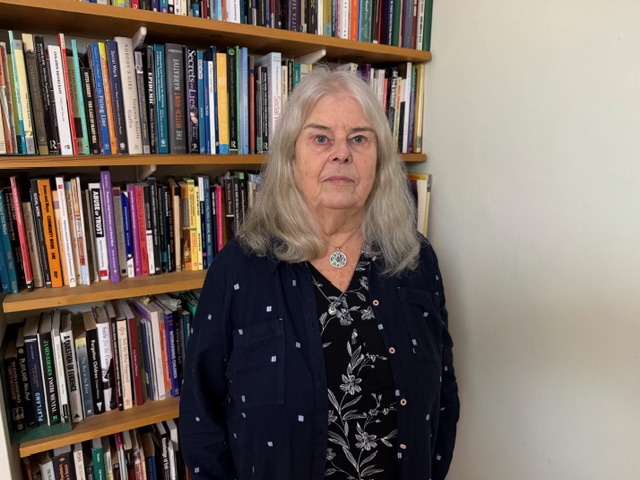
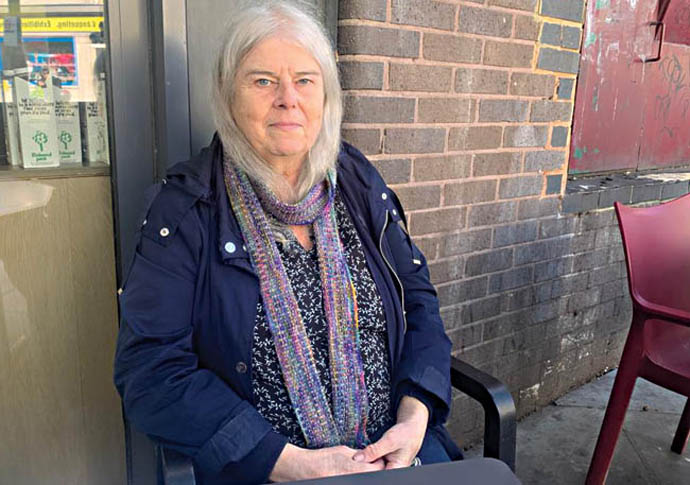
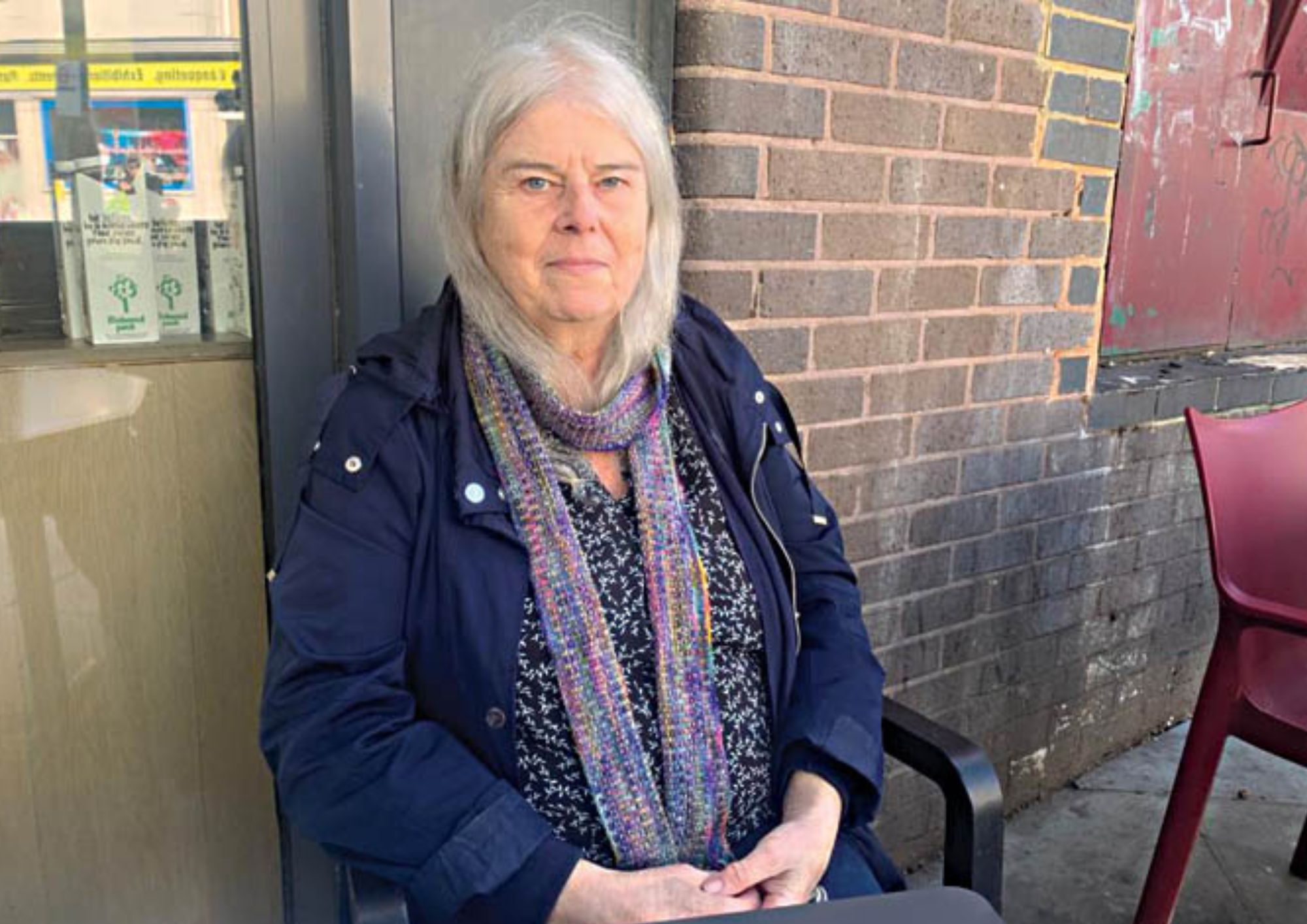
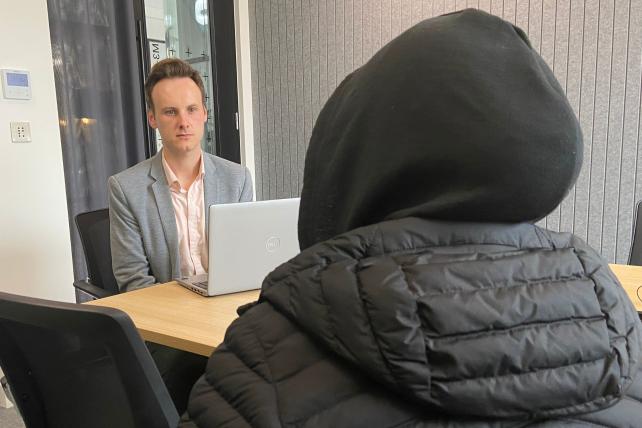
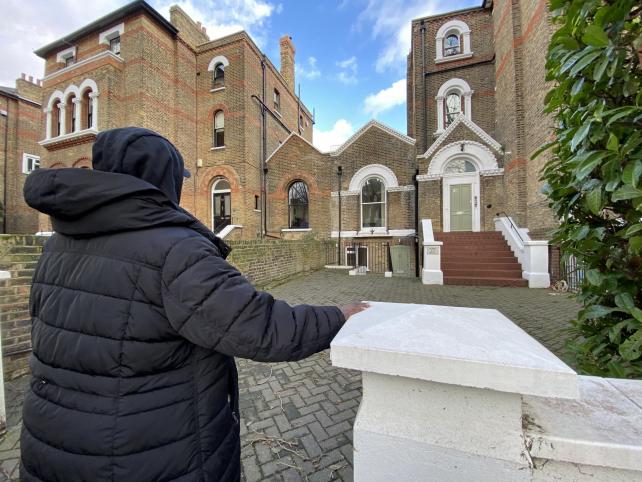
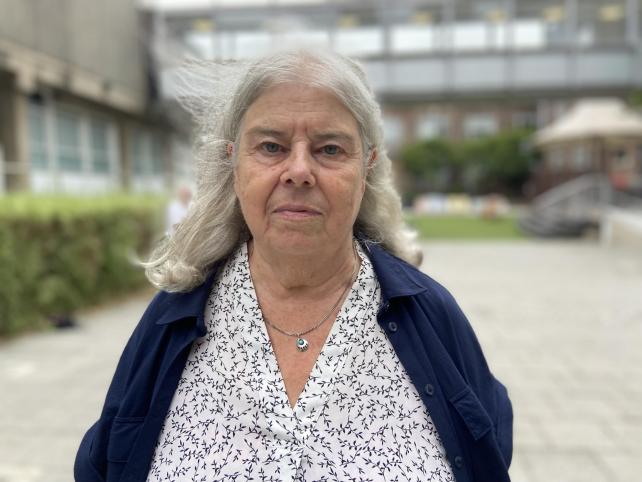
'Sally', now in her 40s, is suing Islington Council, claiming she was repeatedly sexually abused in her bed at Park Place in Conewood Street. She is seen her discussing the case with her lawyer Andrew Lord

‘Sally’, now in her 40s, is suing Islington Council, claiming she was repeatedly sexually abused in her bed at Park Place in Conewood Street. She is seen her discussing the case with her lawyer Andrew Lord (Image: Charles Thomson)

Kidnap

In 1983, social worker John Picton (now deceased) snatched a 13-year-old boy he had met at the Conewood facility.

The boy had moved to an adjoining children’s home in Elwood Street by the time Picton took him.

The homes were joined by their back gardens, so staff and children could move between them.

Picton and the boy he abducted were tracked down almost two months later in Toulouse, France.

He was brought back to the UK and prosecuted, prompting a paedophile magazine called Minor Problems to lament his plight.

In an article titled ‘Affection is not a crime’, the paedophile rights newsletter claimed to have met Picton and been convinced “of his genuine concern for his chosen ‘son’”.

He was sent to prison for six months, which the paedophile pamphlet called an “inhuman wrong”.

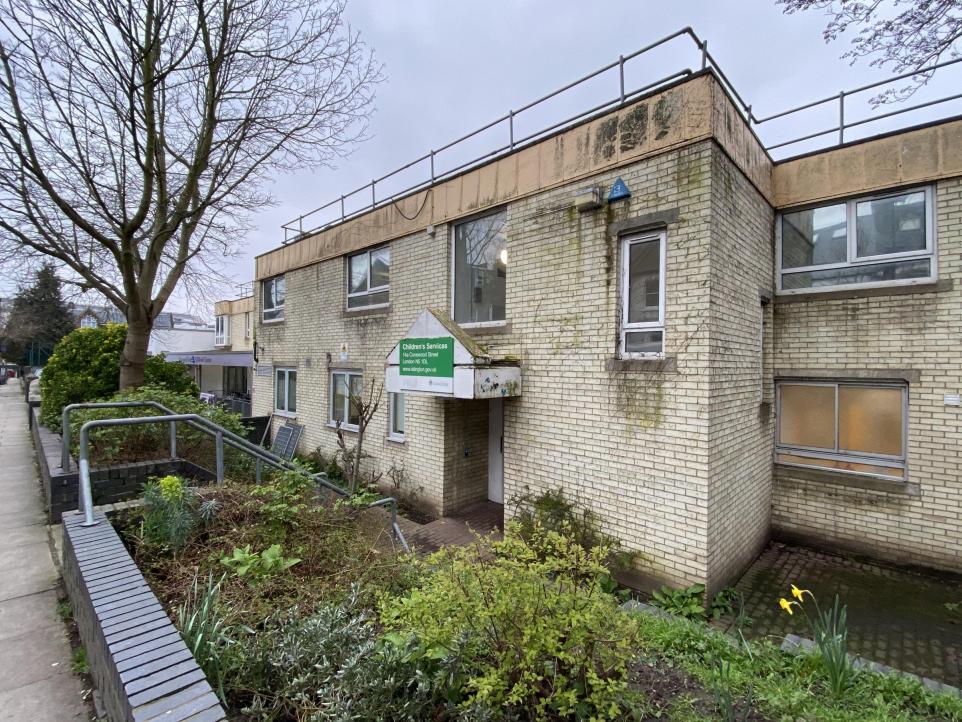
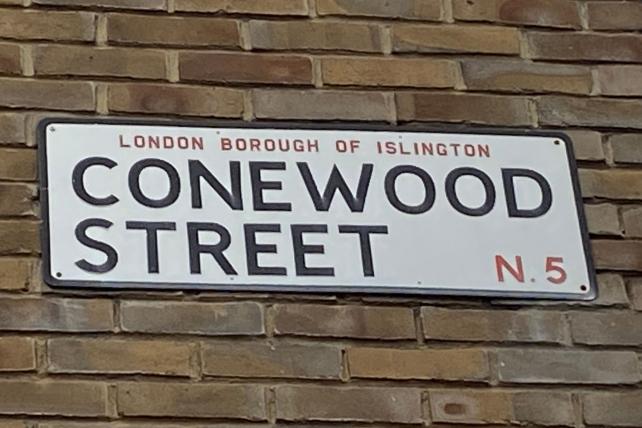
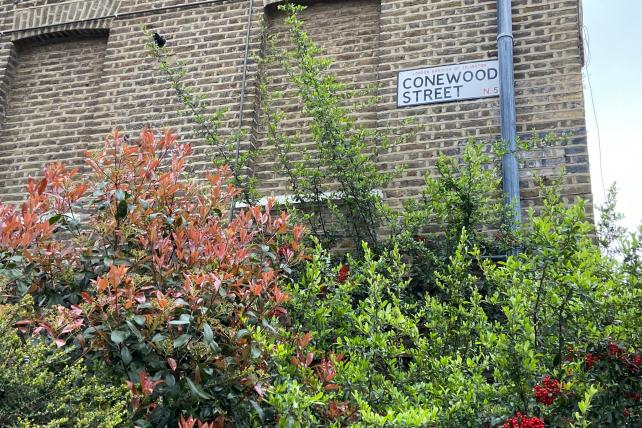
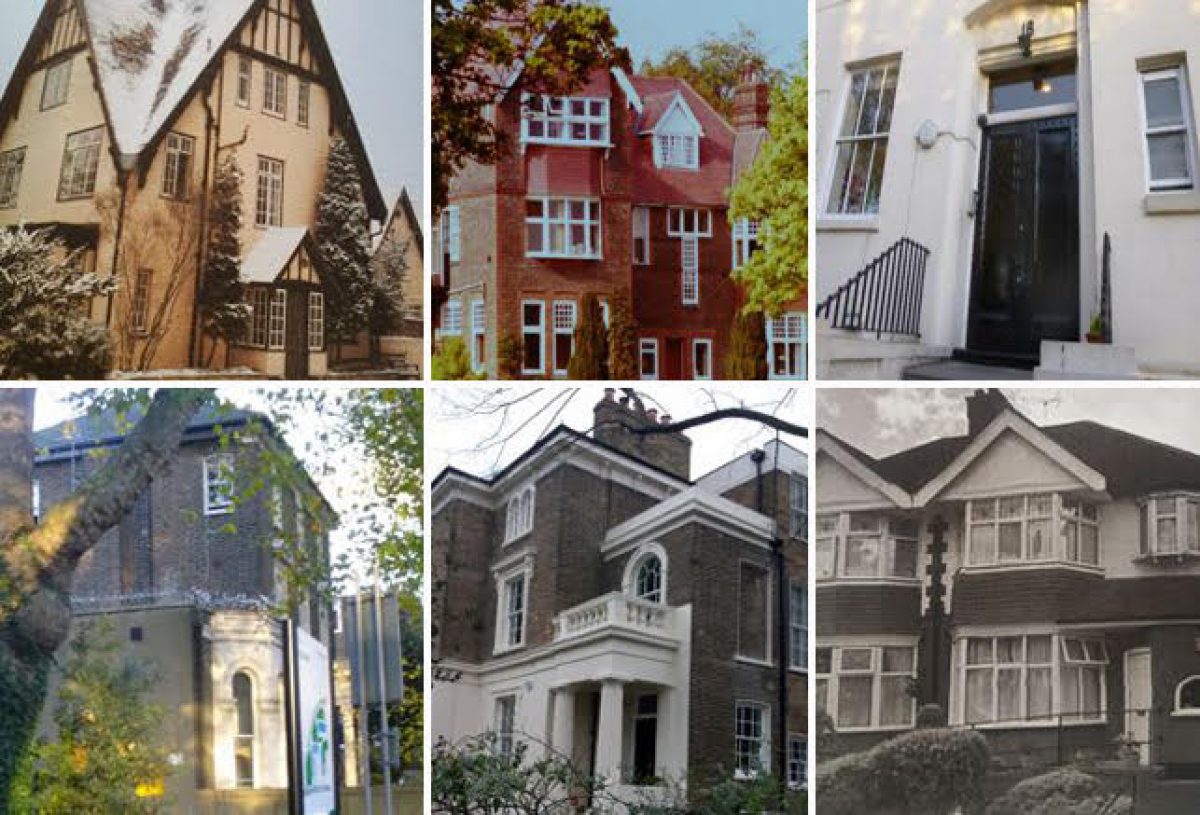
The children’s home in Conewood Street backed onto another one in Elwood Street. Both have been the subject of repeated abuse allegations (Image: Charles Thomson)

Abuse Allegations

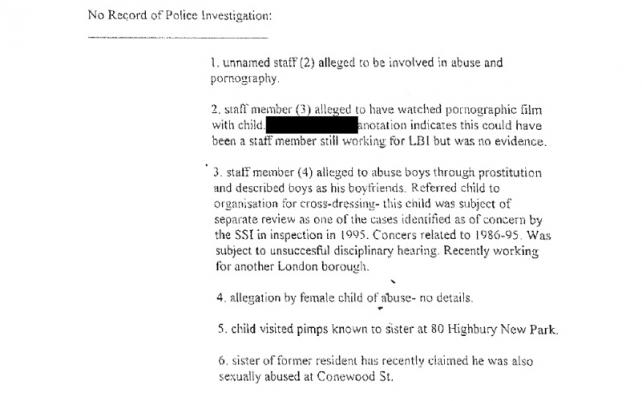
A 1999 council document revealed numerous historic abuse allegations at the Conewood home.

The document, by the council’s Child Protection and Reviews Service, was published under Freedom of Information laws at the request of Dr Liz Davies at the Islington Survivors Network (ISN).

It said two specific staff members were “alleged to be involved in abuse and pornography”.

A third was alleged to have watched a pornographic film with a child, at added.

Two girls separately reported being abused by unidentified persons at Conewood Street.

None of those allegations was dated in the file.

But a fourth identified staff member was “alleged to abuse boys through prostitution and described boys as his boyfriends” between 1986 and 1995, the report said.

After an “unsuccessful disciplinary hearing”, he went to work for another council.

As of 1999, none of these allegations had ever been investigated by police.

A 1999 Islington Council document, released under the Freedom of Information Act, detailed numerous historic abuse allegations linked to the Conewood Street home (Image: ISN)

Jason Swift

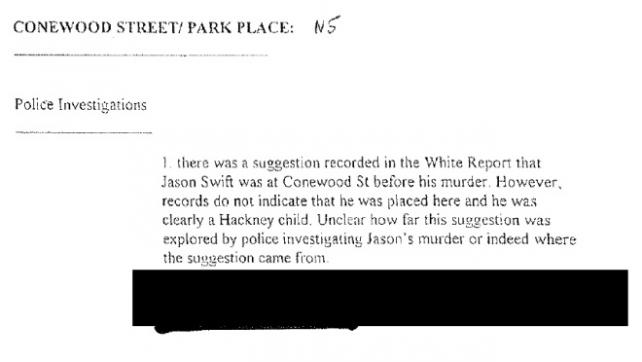
By 1999, police were aware of reports that Jason Swift had been linked to the Conewood facility not long before he died, the document continued.

Numerous staff and children have reported knowing him while he was there, said Dr Davies.

The Hackney teen was not a resident, she added, but attended an education facility there.

Jason, 14, was found in a shallow grave in Essex in November 1985.

He had died during a vicious gang rape by a paedophile gang known as the Dirty Dozen.

The tabloid press described him as a “rent boy”, despite him being a child incapable of consent.

Paedophile Sidney Cooke was convicted of manslaughter over Jason’s death in 1989, but how he first came to the attention of Cooke’s gang has never been properly established.

A 1999 document, released to Islington Survivors Network (ISN) under the Freedom of Information Act, said Jason Swift – later killed by a paedophile gang – had been linked to Conewood Street (Image: ISN)

Tony McGrane

Another Conewood boy wrongly described by tabloids as a “rent boy” also met a violent death.

Tony McGrane, 13, was found stabbed to death in a garage in Clerkenwell in October 1986.

His family denied lurid newspaper reports that he – a child incapable of consent – had been “selling sex in Soho”.

Tony’s death was one of 16 child killings investigated under Operation Stranger – the same operation that investigated Jason Swift’s death – as being potentially linked to one another.

But a 19-year-old family friend from Finsbury, called Gary Whelan, was ultimately convicted of manslaughter over Tony’s death in 1989.

A 1999 document, released years later under the Freedom of Information Act, detailed a catalogue of abuse allegations linked to the Conewood Street home, known to Islington Council but, until that point, never investigated by police (Image: Charles Thomson)

A 1999 document, released years later under the Freedom of Information Act, detailed a catalogue of abuse allegations linked to the Conewood Street home, known to Islington Council but, until that point, never investigated by police

New Allegation

In July, the Islington Gazette published a harrowing interview with a woman who says she was repeatedly sexually abused at Conewood in the 1990s.

Her lawyer Andrew Lord, at Leigh Day, has appealed for anyone with knowledge of the home at that time to make contact.

The council said it could not comment on active lawsuits.

However, it has previously admitted and apologised for decades of widespread abuse in its children’s homes, calling it “the worst chapter in this council’s history”.

Islington Council child abuse victims told therapy may end

Islington Gazette, 21st July 2024

Exclusive by Charles Thomson, Investigations Reporter

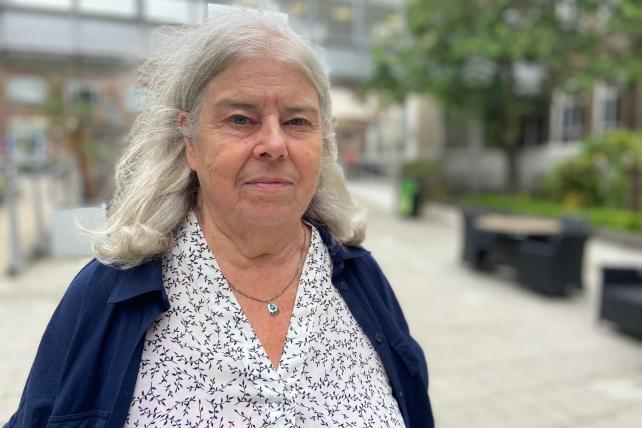
Dr Liz Davies, from the Islington Survivors Network (ISN), said multiple child abuse victims had been told by their therapists that the council’s trauma therapy service would be closing down in March (Image: Charles Thomson)

Islington Council has stressed that it will continue its trauma therapy service for child abuse victims after confusion over its future emerged.

Some patients have been told by therapists that the service will close in March 2025. Others say they have already had their treatment cut off.

There has been anger and upset among abuse victims, with Jane Frawley, of the Islington Survivors Network (ISN), calling it “absolutely soul-crushing”.

Her colleague Dr Liz Davies confirmed that those who had received the news were left “very, very upset”.

The news comes less than two months after applications closed for the council’s Support Payment Scheme, offering £10,000 to survivors of historic abuse in its children’s homes.

The survivors network said dozens of new victims came forward in the final months of that scheme after the council advertised it on a radio station.

“So we are looking at months and months for them to get through all these people, with the potential of them then not being able to get any therapeutic help,” said Jane.

She said the apparent end of therapy made a mockery of the council’s promise that the payment scheme would not retraumatise survivors.

“This particular thing shows very clearly that they really do not give a rat’s arse about survivors and not retraumatising them,” she said. “It makes absolutely no sense.”

While insisting the service was not under threat, Islington Council was not able to explain why service users had been told it was closing down.

It appears the contract for the current service is coming to an end, but the council says it has never suggested the service itself will stop.

The Gazette was contacted by a patient last month who said she had been told by her therapist that the service was being shut down. However, she had not received any confirmation in writing.

Then others started telling ISN they had been told the same. One, said Jane, was left “shocked” after being told the therapy session she was sitting in was “one of her last three”.

Shortly thereafter, said Dr Davies: “Some survivors had their therapy ended. Therapy that was supposed to be ongoing. They are obviously closing people down in readiness.”

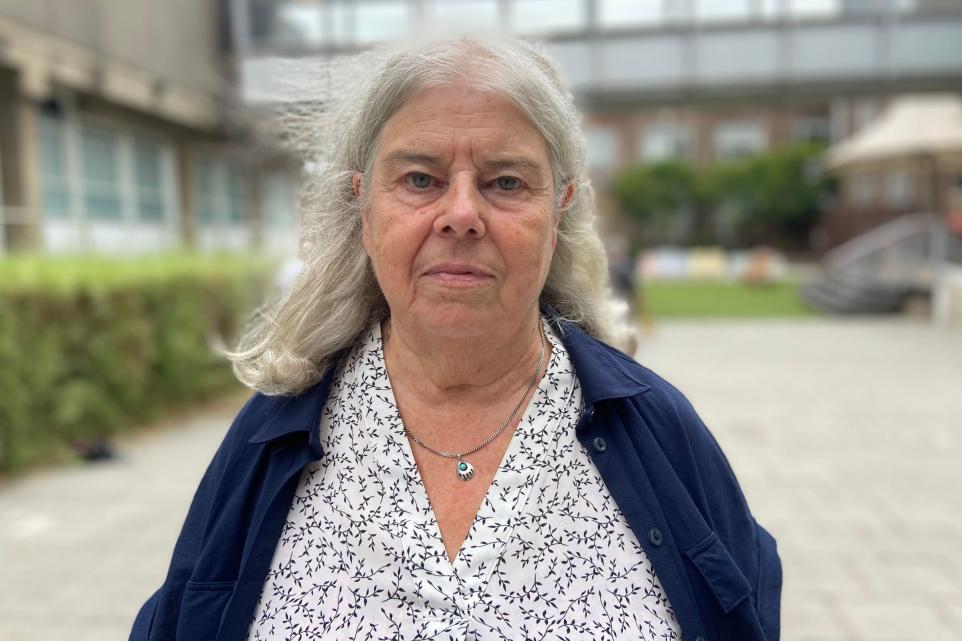
Dr Liz Davies is a former Islington social worker who turned whistleblower, helping to expose widespread abuse in the council’s children’s homes. She is now an emeritus professor of social work at the London Metropolitan University (Image: Charles Thomson)

Those told their therapy was being halted included Jane, who said the council had since refused to answer any of ISN’s queries about the service.

“The communication between them and us is usually so much better,” she said. “They explain that they are going to be looking for further funding.”

But as the current contract nears its end, she claimed, “Communication has completely shut down from them towards us.”

They had to resort to the Freedom of Information Act just to confirm that the current contract ends in March.

Dr Davies said that although the service looks set to formally end in March, that means it is likely to start winding down much earlier as staff jump ship.

One therapist has already told patients they are leaving.

Once it is gone, ISN said, victims will be left with a choice between long waiting lists for NHS therapy or the prohibitive cost of going private.

“So there won’t be any viable alternative for all these people that have been afflicted by the 42 children’s homes Islington ran and that really hurt them,” said Jane.

Islington Council has previously admitted and apologised for decades of widespread abuse in its children’s homes.

A spokesperson said: “We’re committed to doing everything we can to support survivors of non-recent child abuse in Islington children’s homes. 

“We know how vital trauma support is to many survivors and people who experienced abuse, and we will definitely continue to provide high-quality trauma support.

“All councils must follow the law and strict guidelines around procurement for contracts we have with service providers. The current contract with our trauma therapists ends in March next year, and we are starting work on the next contract.

“To be absolutely clear, the council will continue to provide high-quality trauma support.”

ISN can be reached at 0300 302 0930 or islingtonsn@gmail.com.

Islington Council child abuse appeals end in success

Islingto Gazette, 16th July 2024

Exclusive by Charles Thomson, Investigations Reporter

Tony Darke and Zara were each initially denied £10,000 pay-outs under Islington Council’s Support Payment Scheme for survivors of abuse in its children’s homes. But they have triumphed on appeal (Image: Tony Darke / Charles Thomson)

Three alleged abuse victims have won payouts from Islington Council after the Gazette championed their cases.

We raised questions after the trio were each initially turned down by the council’s Support Payment Scheme.

The scheme offered £10,000 to survivors of historic abuse in the borough’s children’s homes.

All three were told there was insufficient evidence they were in the homes, or insufficient evidence they were abused.

But appeal panels have now awarded them their money.

The Gazette’s reports were submitted as evidence at two of the hearings.

“The panels found them very useful,” said Dr Liz Davies, of the Islington Survivors Network (ISN).

But, she added, the evidence at appeal was not substantially different to that before the lawyers who made the initial decisions.

“Every single person we’ve been to appeal with and who’s had a response has been successful,” she said.

“It brings the original decision-making into question. We never understood the reasons for turning these survivors down.”

Zara took the Islington Gazette to one of the children’s homes where she said she was neglected and abused by staff (Image: Charles Thomson)

Zara

Zara – not her real name – said kids at the Highbury children’s homes she stayed in smoked, drank and used drugs with the knowledge and consent of staff.

She said some workers even took children to the pub.

Neglected, she fell pregnant as a teenager. She said staff then tried to force her to have an abortion.

Dr Davies helped Zara, now in her 50s, obtain her care records, but they were largely missing.

She had to appeal after decision-makers claimed there was insufficient evidence she was ever in the homes.

We reported that she had photos of herself at one of the homes. We also interviewed her roommate at the home, who had already been paid out under the scheme and had mentioned Zara in her own application.

Lawyers who originally considered Zara’s case said there was insufficient evidence she was ever in the children’s homes. But she had photographs of herself inside and outside (Image: ISN)
Tony Darke was initially rejected and sent to an appeal panel after it was claimed there was insufficient evidence he was abused at Islington Council care homes (Image: Tony Darke)

Tony

Tony Darke lived in three children’s homes in the 1980s, where he said he was violently abused and neglected.

He described staff attacking children, giving them cigarettes, withholding food and even preventing children from seeing their families as a punishment.

He also described staff at Gisburn House driving children into the woods at night and dumping them there to find their own way home in the dark.

Decision-makers said there was insufficient evidence he was abused.

But his care records described him as very thin and stealing to eat. They recorded him self-harming and being “beset by anxiety”.

Dr Davies said others in the homes at the same times, including some named by Tony in his own account, had described the same abuse – including the so called “night runs” at Gisburn – and received pay-outs.

A photo of Tony inside one of the children’s homes, with one of the friendlier members of staff (Image: Tony Darke)

Jo

Jo – also not her real name – was told there was insufficient evidence she had been abused in the council’s home on Conewood Street.

But her care file recorded her telling a social worker she was being under-fed. She was even described in official records as “under-nourished”.

Jo also complained in her application of being violently “pinned down” by a male staff member.

Under the payment scheme’s terms of reference, “pin down” was abuse.

Dr Davies said other complainants had alleged pin-downs by the same man.

Jo’s file even mentioned her “not accepting restraint”.

Dr Liz Davies from the Islington Survivors Network said every appeal the group had been involved in had been successful, raising questions about the original decisions (Image: Charles Thomson)

Mixed Emotions

Zara thanked the Islington Gazette, saying: “I am forever grateful for your help.

“To be honest, it was never about the money for me. It was the principle that I wasn’t being heard with my truth – to be still ignored for my pain and suffering over the years.

“There’s still a long journey with healing but I’m sure I will get there one day. Every day is a step to recovery.”

Tony said: “I want to thank Liz for all the help she’s given and also yourselves for running the stories.

“I’m still a bit peeved that it had to get this far. I just think it was a complete waste of time. They paid in the end but it’s caused people unnecessary grief.”

A fourth case highlighted by the Gazette is due before an appeal panel next month.

Islington Council does not comment on individual claims but has previously admitted and apologised for widespread abuse in its children’s homes.

It has said it is now a very different organisation with an emphasis on child safeguarding.

It says pay-outs under the Support Payment Scheme are not compensation and do not amount to an admission of liability.

ISN can be reached at 0300 302 0930 or islingtonsn@gmail.com.

Leigh Day seeks witnesses in Islington Conewood abuse case

Islington Gazette, 12th July 2024

Exclusive by Charles Thomson, Investigations Reporter

Specialist child abuse lawyer Andrew Lord in a meeting with his client ‘Sally’, who is suing Islington Council over alleged abuse at Park Place children’s home in Conewood Street (Image: Charles Thomson)

A lawyer suing Islington Council over alleged child sexual abuse has appealed for potential witnesses to come forward.

The Islington Gazette revealed last week that a woman is suing the council, claiming she was repeatedly sexually assaulted in her bed at Park Place, Conewood Street, in the 1990s.

The complainant, who we codenamed Sally, spoke in a harrowing interview about the horrors she said she experienced and their lasting impact on her life.

Her lawyer Andrew Lord, at Leigh Day, has now urged witnesses to contact him.

“My client alleges that she experienced serious sexual abuse in a children’s home at a time when there was increased scrutiny of the local authority,” he said.

“Sally described how the abuse occurred on several occasions and, alarmingly, she recalls people being given access to the home through fire escapes at a time when the London Borough of Islington ought to have been conducting a thorough overall review of their safeguarding procedures.”

In 1992, the London Evening Standard published a series of award-winning articles revealing widespread abuse and neglect in Islington’s children’s homes.

Allegations included staff sexually abusing children, trafficking them to other paedophiles, and homes having lax security, which enabled predators to get in.

Sally was not placed in the Conewood Street home until after these articles had already been published, meaning the council should have been taking extra care to safeguard children, her lawsuit contends.

She told the Gazette that unidentified men entered her darkened bedroom in the middle of the night and assaulted her.

After they finished and left, she would hear the distinctive sound of the fire escape door opening and closing.

‘Sally’, now in her 40s, says her alleged abuse occurred in the mid-1990s – after the Evening Standard had already exposed widespread abuse in Islington Council’s children’s homes (Image: Charles Thomson)

“They took advantage of me sexually, emotionally and physically,” she claimed in Leigh Day’s witness appeal.

“I was placed in their care and they exploited me. I spend the days of my life marinated in grief. I’m unable to trust. I fear people.”

Islington Council has said it cannot comment on live legal cases.

It has previously admitted and apologised for decades of abuse in its children’s homes, saying it is now a very different organisation.

Mr Lord has represented other Islington children’s home victims and also helped design the council’s Support Payment Scheme, which offered £10,000 to survivors.

He urged anybody with knowledge of Park Place in the early to mid-1990s to call 0207 650 1200 or email alord@leighday.co.uk.

Islington Council child sexual abuse lawsuit interview

Islington Gazette, 2nd July 2024

Exclusive by Charles Thomson, Investigations Reporter

Sally doesn’t know who sexually abused her. It always happened in the dark, she said. Mysterious figures would enter her bedroom at the children’s home, backlit by the lights in the corridor behind.

“It’s more what I heard than that I saw,” she wept, sharing her memories with the Islington Gazette. After the abuse, she would often hear the fire escape door opening and closing as the perpetrator left.

 “The noise is distinctive,” she said.

A few weeks ago, Sally’s lawyer notified Islington Council, which ran the home, that she was suing.

Sally – her name has been changed to protect her anonymity – was sent to the Conewood Street home, later renamed Park Place, as a teenager.

Her first night there was Christmas Eve. She had run away from her violent mother. But, she later realised, she’d been better off at home.

Sally spoke to the Gazette for two hours at the Barbican office of her lawyer, Andrew Lord, from Leigh Day. He has handled several abuse cases referred by the Islington Survivors Network (ISN).

Sally’s story is unusual because her alleged abuse took place after the London Evening Standard’s 1992 exposé of widespread abuse in Islington’s children’s homes. This, Sally and Andrew believe, amounts to an extra later of “negligence” in her case. The council should have been hyper-alert, but instead the abuse just continued.

The former Conewood Street Children’s Home has since been turned into a children’s services office (Image: Charles Thomson)

Now in her 40s, Sally cried repeatedly as she told the Gazette of her ordeal and its lasting impact on her life.

“I don’t have a partner. I don’t have children. I don’t have nothing. And it is to do with this,” she said.

“It messes you up in ways that you don’t even realise until you try to get close to someone. The trust – forget sexual stuff – just the trust: I don’t have that with anyone. I can’t have that with anyone.”

She has been in and out of mental health care her entire life, she added.

“I’m just sinking and swimming all the time,” she sobbed. “And it didn’t need to be like this. I went there for help.”

Her lawsuit was precipitated by the council’s Support Payment Scheme. Aided by ISN founder Dr Liz Davies, Sally obtained her care records and applied successfully for one of the scheme’s £10,000 payments. She fully expected her file to be missing or sanitised but was shocked to find it contained evidence corroborating her recollections.

Dr Liz Davies, from the Islington Survivors Network, helped Sally obtain her care files. When she got them, they appeared to bolster her abuse allegations (Image: Charles Thomson)

Staff recorded the stomach pains she reported after her abuse. They logged when she ran away and reported to a different council that she was being abused at Conewood.

“[Sally] has presented herself at Haringey Social Services Intake Team, saying she does not want to return to Park Place,” the entry said. “She will run away again. Saying we hurt her.”

Staff noted her becoming withdrawn and “depressed” – yet she was never offered counselling or therapy: “There was no support. They didn’t do anything about that.”

All she remembered being offered was creative writing sessions. Inside her file, she was horrified to discover some of the poems she had written, alluding to sexual abuse.

“All the signs were there,” she said. “They knew I was in trouble – emotionally, mentally, physically. They knew it because they wrote it themselves. They did nothing about it.

“They knew it because I complained when my stomach was hurting. They knew it when I ran away and refused to go back… They wrote this stuff in there. They wrote it in my file. That really pisses me off… They knew what was going on.

“This is why I feel like they were all a part of it or knew about it. Because it doesn’t make sense to hear and see all this stuff and not know that I’m being abused. Why would a child of that age be writing that stuff in a poem?”

Sally said strange men would enter her room at night in the former Conewood Street children’s home, Islington, and sexually abuse her (Image: Charles Thomson)

She has always suspected some staff facilitated the abuse.

“They was outside the room,” she alleged. “I heard them. I heard their voices.”

“How could anyone even get in the building without being let in?” she asked. “There were staff on at nighttimes… I feel like it was like prostitution for them, if I’m honest. Like we was the prostitutes.”

Around the time Sally’s abuse began, she said, staff held an event encouraging all the children to have a discussion about sex.

“I didn’t go,” she says. “Of course, I absconded. Looking back… it was like they were checking out to see who would say anything. Would any of us speak up or expose them.”

Sally ran away a lot, she said, staying out until four or five in the morning. Not just because of the sexual abuse, but because of the whole culture.

“They weren’t feeding us properly,” she claimed. “We were always hungry.”

Another former Conewood Street resident told the Islington Gazette in March that children there were underfed. 

Sally was aggrieved by an entry in her records about breaking into a staff room and stealing crisps.

“One part of me wants to laugh now,” she said. “The other part of me is angry. I didn’t steal your alcohol. I didn’t steal none of your cigarettes. I didn’t go into all your bags or purses that were there. But you’re calling me this bad, naughty girl that I stole crisps because I was hungry.”

Lawyer Andrew Lord, currently representing ‘Sally’, has worked on several Islington Council abuse cases referred by support group ISN (Image: Charles Thomson)

Staff not only kept alcohol on the premises, she alleged, but supplied it to children in their care.

“There’s a lot of adults that were around that would introduce you to certain things,” she continued. “They would give us cigarettes… Cannabis was around.”

Sally left Islington’s care without finishing school or gaining any qualifications. No longer in touch with her family, she was moved into a flat on a problem estate. For years, she lived in a fog.

In the beginning, she said, “I didn’t know that what I was experiencing, or why I felt the way I felt, was related to sexual abuse.” She made several attempts on her own life, never telling anybody what had happened to her.

“I didn’t know how to,” she explained. “I remembered that they didn’t believe me anyway. I’m just a liar. It was like something I had to just take to the grave, I guess.”

She was in her 20s when she finally disclosed her abuse to a counsellor.

“There was a point in my life where the floodgates opened. It was sink or swim time and I was fighting for my sanity. Things came back thick and fast,” she recalled.

She had previously been living in a state of “cognitive dissonance” – her whole life falling apart due to a trauma she refused to acknowledge.

“Your inner voice is yelling,” she said. “It’s screaming. You can’t deny it anymore. You don’t know what to do with it. You know you’re sinking. There’s part of you that wants to swim. There’s part of you that gets angry and mad.”

Islington Council has admitted and apologised for decades of abuse in its children’s homes, but said it could not comment on specific civil lawsuits (Image: Charles Thomson)

“The more years that go by that you’re still f***ed up by something, the more it feels like you’re making it a big deal,” she said.

But, she added, pointing at her file: “Then I’ll read something in there, some stuff that they wrote, or remember things, and I’m reading it like, ‘You’re not making it a big deal, you’ve been minimising it to exist, so you don’t kill yourself. It’s worse than you even let yourself know.”

Her whole life, she concluded: “I’ve been fighting to do something, be something – to not be killed anymore than I already am inside by this.”

Islington Council wound not make any comment on Sally’s story but said it was “deeply sorry” for its “past failure to protect vulnerable children in in its children’s homes, which was the worst chapter in this council’s history”.

It said it was now a “very different organisation”.

“We cannot comment on any individual civil compensation claims while those legal proceedings are ongoing,” it added.

Islington Council child abuse appeal panellists are no-shows

Islington Gazette, 28th May 2024

Exclusive by Charles Thomson, Investigations Reporter

Dr Liz Davies, from the Islington Support Network (ISN), said it was ‘wrong’ that panellists skipped their virtual meetings with alleged abuse victims (Image: Charles Thomson)

Alleged child abuse victims are having their right to payouts decided by people who did not even show up to their hearings, Islington Council has admitted.

Five applicants to the council’s Support Payment Scheme for abuse survivors have showed up to their appeal hearings to find only one of the three panellists has turned up.

The appeals themselves are contentious – with some applications refused despite witnesses and files backing up their claims.

Yet the missing panellists are still then deliberating over applicants’ cases, deciding whether they should receive pay-outs.

Islington Council says that is OK, because the absentees can catch up by reading the minutes.

“It’s extraordinary,” said Dr Liz Davies, founder of the Islington Survivors Network (ISN), which supported each of the five applicants at their hearings.

“We are bothering to show up. One man came all the way from Newmarket in a train strike and got there in person, whereas the panellists – who were only attending virtually anyway – didn’t show up. It’s not right.”

The Support Payment Scheme, which launched in May 2022 and closes this week, was set up after Islington admitted and apologised for decades of abuse in its children’s homes.

Alleged abuse included staff neglecting children, supplying them with booze and drugs, supplying them to paedophiles and forcing them to terminate babies.

The scheme offers abuse survivors £10,000 to help them cope with the ongoing impacts on their lives.

But the Gazette has reported how some were turned down for supposedly insufficient evidence, despite witnesses and files corroborating their accounts.

One woman was turned down for insufficient evidence she was in the home, despite having supplied photos of herself there with the staff.

Those initially denied the payment were invited to appeal hearings at the council’s offices in Upper Street.

“The chair was quite responsive. This is not a criticism of her,” said Dr Davies. “She was very professional and caring in her approach.

“But she said the other panellists had other commitments and couldn’t attend, yet would still participate in the decision-making later.

“She also said, very clearly, that they might not agree with her because they weren’t there.”

Islington Council said: “Not all members of an applicant’s appeals panel need to be present at the meeting, since the meeting minutes, along with any extra documentary evidence supplied, are shared with the panel members to enable them to arrive at a decision.”

Islington Council abuse support payment scheme deadline near

Islington Gazette, 6th April 2024

Exclusive by Charles Thomson, Investigations Reporter

Time running out for children’s home abuse victims to claim £10,000 (Image: Charles Thomson)

Abuse victims have been urged to apply for £10,000 pay-outs before the cut-off date in less than two months.

Islington Council is offering “support payments” to people abused in its former children’s homes.

But applicants must put their papers in before 5pm on Friday, May 31.

In 2017, Islington Council finally admitted and apologised for decades of abuse of vulnerable children, which it called “the worst chapter in this council’s history”.

The admission followed a decades-long campaign by survivors, led by whistleblowing former Islington Council social worker Dr Liz Davies, who received her own special apology from the council.

The ‘Support Payment Scheme’ launched on May 31, 2022.

The council says the payments are not compensation and do not amount to an admission of liability.

Am I eligible?

The payment scheme is limited to those who were abused in 35 specific children’s homes.

They include certain homes in greater London, Essex and Hertfordshire, where children were placed by Islington Council.

The abuse must have been suffered between 1966 and 1995.

Those abused in foster care, or in the community whilst known to Islington’s social services, aren’t covered.

What counts as abuse?

Payments are for victims of sexual abuse, physical abuse, emotional abuse and neglect.

  • Sexual abuse includes abuse by other children in the homes and “non-contact” abuse like exposure to sexual behaviour.
  • Physical abuse includes the use of restraint techniques such as ‘pindown’, where children were wrestled to the ground and held there, unable to move.
  • Emotional abuse includes ridiculing children, exposing them to bullying behaviour, causing them to feel frightened and preventing normal social interaction.
  • Neglect includes under-feeding children, failing to provide sufficient clothing or access to medical treatment, and inadequate supervision.
The Gazette has reported for decades on the Islington Council abuse scandal. The council finally apologised in 2017 and launched the support payment scheme in 2022. It closes next month (Image: Ken Mears / Islington Council / Newsquest)

How do I prove I was abused?

Rules say applicants do not have to prove they were abused even to the civil standard of 51% certainty.

The scheme is supposed to be “straightforward and quick” and avoid making applicants “relive past trauma”.

It “requires only that there be credible information and/or material of an applicant’s eligibility”.

A small number of applicants have been rejected on grounds of insufficient evidence either that they were in a children’s home or that they were abused while there.

But the overwhelming majority of applicants have been paid. Those turned down are automatically referred to an appeal panel.

Am I waiving my rights?

Applying to the ‘Support Payment Scheme’ does not waive a victim’s rights to sue the council.

Several people who have successfully applied have been referred to lawyers by Dr Davies’s Islington Survivors Network (ISN) for potential civil suits.

However, the £10,000 will be subtracted from any damages awarded by a court.

How do I apply?

To apply or find further information, including a list of the 35 children’s homes, visit www.islingtonsupportpayment.co.uk.

“We really do want all survivors to feel reassured that they can reach out and ask the team any questions they have beforehand, to feel that they will be listened to and treated sensitively – and to know that if they choose to apply, the scheme is open for them until May 31, 2024,” the council said.

ISN, which helps applicants access their records and file applications, can be reached at 0300 302 0930, or islingtonsn@gmail.com.

Ex-Islington Council leader Margaret Hodge on abuse denials

Islington Gazette, 18th May 2024

Exclusive by Charles Thomson, Investigations Reporter

Former Islington Council leader Dame Margaret Hodge has expressed remorse for her handling of the child abuse scandal – but a victims’ group has reacted angrily to her statements (Image: Yui Mok/PA Wire)

Senior council staff accused Islington children of making up the abuse they suffered in care, Dame Margaret Hodge has claimed in an interview.

The former council leader, who has been Labour MP for Barking and Dagenham since 1994, admitted she had listened to officials but not victims and blamed an attempt to stop a later investigation and undermine one victim on “a s***ty bit of advice”.

Her comments have angered the Islington Survivors Network (ISN), which represents hundreds of former children’s home residents who say they were abused.

The group called on Hodge – council leader from 1982 to 1992 – to name the officials she says dismissed and denied victims’ accounts.

“It was so much more than ‘a s***ty bit of advice’, as Hodge refers to it,” said founder Dr Liz Davies.

Dr Davies, then an Islington social worker, raised concerns about the children’s homes in 1990 but was dismissed.

But in 1992, a major investigation by the Evening Standard suggested the borough’s homes had been infiltrated by paedophiles.

Staff and children claimed drug-dealing, sex trafficking and violence were rife.

The scandal resulted in a 1995 investigation called the White Report, which found the council had not properly investigated many allegations.

In an interview with the Guardian this month, she said she’d had meetings with police and senior council officers after the Standard’s investigation.

“We went through allegation after allegation,” she claimed. “They all said: ‘There’s no truth in any of them’.”

Mrs Hodge said she was told the alleged victims were “naughty kids” who’d been bribed by the Standard – but she now accepted neither claim was true.

At the time, though, “I believed them,” she said. “And what I didn’t do, which I should have done, was talk to the kids.”

Mrs Hodge admitted trying to block a BBC report on the scandal by questioning a victim’s credibility.

She told the Guardian she now felt “terrible” about it.

“I was advised to do that, and that was a s***ty bit of advice,” she said – but refused to say who the advice came from.

Former social worker Dr Liz Davies, whose decades of campaigning eventually forced Islington Council to admit and apologise for widespread abuse in its children’s homes, criticised Margaret Hodge’s comments (Image: Charles Thomson)

Dr Davies said: “Margaret Hodge still refuses to disclose the details of those professionals who she says misled her in the 1990s.

“Margaret Hodge did not give evidence to the White Inquiry in 1995 and, as far as ISN are aware, none of the officers have ever been asked about this very serious allegation…

“If officers deliberately misled her then she should have reported them to the appropriate regulatory professional body.

“This ‘advice’ has contributed to 30 or more years of institutional cover-up and denial of survivors’ experiences and disclosures of serious crimes.”

Dr Davies criticised Mrs Hodge’s suggestion that not speaking to the children was the reason for her disbelief, asking why she had not simply trusted her own whistleblowing social workers.

“She should have listened to her staff, [my colleague] David Cofie and myself and other professionals in all the agencies – health, police, education, probation and psychiatry – all raising the alarm at the time,” she said.

“This is unfinished business. Hundreds of survivors in ISN want to know the truth of this cover-up and the names of those responsible for it.”

Mrs Hodge’s office did not respond to a request for comment.

Islington Council did not directly respond to Mrs Hodge’s comments or Dr Davies’ criticisms, but reiterated leader Kaya Comer-Schwartz’s past apology for its “failure to protect vulnerable children in its children’s homes, which was the worst chapter in our council’s history”.

Cllr Comer-Schwartz said the council today was “very different”, with protecting children as a “top priority”.

She said the council offered psychological support, counselling and advice to victims and had launched the Islington Support Payment Scheme in 2022, offering £10,000 to survivors.

The support scheme closes at the end of this month.  

Kriss Akabusi’s Islington children’s home records missing

Islington Gazette, 20th May 2024

Exclusive by Charles Thomson, Investigations Reporter

Olympic sprinter and TV host Kriss Akabusi went in search of the files documenting his childhood in one of Islington Council’s notorious children’s homes – but was told they are thought to have been ‘accidentally destroyed’ (Image: Paul Anthony Wilson Photography)

Olympic medallist Kriss Akabusi says Islington Council has lost his care records, meaning a large chunk of his childhood is doomed to remain a “big blank”.

The athlete and television presenter spent much of his childhood in one of the council’s notorious children’s homes before joining the army at 16.

He later became a sprinter, winning a silver medal at the 1984 Olympics and a gold at the 1986 Commonwealth Games.

He told the Gazette how he grew up in Copthorne, one of the council’s out-of-borough homes in Village Road, Enfield.

“It was supposed to be a short-term home… but I stayed there,” he said.

“For what reason, I do not know. I’m sure that would have been in my files.”

“Draconian”

Akabusi spent roughly a decade in Copthorne, from the mid-1960s to the mid-1970s, living through several changes in management.

One, he said, was “draconian… a very austere and strict regime”.

“I was only a kid so I’m not quite sure whether we deserved that – whether we were tough to deal with,” he said.

“No one ever punched me… But there’s that psychological terror where you know: don’t cross him. A very hard, draconian man. Corporal punishment. The slipper. A cane… A very tough, tight ship.”

But unlike some former residents, he doesn’t recall going without food or clothes.

On the contrary, he said: “You had to finish what was on your plate. I witnessed people having their nose held and shovelled down their mouth. So I witnessed force feeding.

“We had new clothes in the winter, new clothes in the summer… It’s not in my memory that I felt neglected.”

Dr Liz Davies, founder of the Islington Survivors Network (ISN), helped Kriss Akabusi to request his care records – but to no avail (Image: Charles Thomson)

“A Blank”

In the early 1990s, a biographer was granted access to some of Kriss’s care records – but he only personally went looking for them around 10 years ago.

“I wanted to know what happened to me. I wanted to know about my mum,” he said.

“I just wanted to know my past, you know? Because there’s this great big blank, I think, around that period.

“It’s like I created a new self once I joined the army, but I recognise that that kid in the children’s home is a major psychological driver of who I am and became.”

He knows that in care he started refusing to celebrate his birthday – but he has no memory of why.

“I was adamant,” he said. “I must have had half a dozen years in the children’s home where I stopped celebrating my birthday.

“Why? I don’t know. Did I tell my social worker? I don’t know.”

“Accidentally Destroyed”?

Kriss said his quest for answers led him to visit council buildings and send emails and letters, aided by Dr Liz Davies of the Islington Survivors Network (ISN).

But in February 2013, a council employee wrote by email: “Our archive and business managers have now reported to me that unfortunately they cannot locate the files.”

They said the council believed the files had been stored at Highbury House, near Highbury Fields. When it was sold in 2009, records were sent to the council archive.

“If the files had existed at the time of that building move they would have been entered on our electronic system,” the employee wrote.

“As they were never entered onto the system, we can only guess that the files must have been accidentally destroyed between 1992 and 2009.

“The archive manager feels sure that if the files existed now they would have turned up during one of the many building moves and been recorded on the electronic system.

“I am sure that this result is disappointing for you and on behalf of the council I can only apologise sincerely.”

When he and Dr Davies tried again in 2018, the council claimed it had given Kriss 50 pages of records in 2014 – something he said he had no recollection of at all.

He decided to speak out after the Gazette reported on others whose files were missing or incomplete.

In February, the Islington Gazette interviewed Max, whose care records had apparently been lost by Islington Council. Kriss Akabusi tweeted the story, adding that the same had happened to him (Image: Charles Thomson)

The Council

Islington Council said: “We will do all we can to support care leavers to access records relating to their care.

“We are very sorry for the difficulties Mr Akabusi has faced in trying to access any records.

“We would very much welcome a new application from him and will give all the support and advice we can.

“We will continue to do everything we can to locate any records relating to children in care from previous decades.”

Islington Council child abuse scheme ‘breaking own rules’

Islington Gazette, 4th April 2024

Exclusive by Charles Thomson, Investigations Reporter

‘Maria’ says she was sexually assaulted in her bed at an Islington Council children’s home – but has been denied payment by its support scheme for supplying ‘insufficient’ evidence (Image: Charles Thomson)

A woman who says she was sexually abused in her bed at an Islington children’s home claims the council is breaking its own rules by asking her to prove it.

Maria – her name has been changed for legal reasons – says she remembers waking up to find someone holding her down and sexually assaulting her.

The alleged attack – which happened in her teens – left her needing therapy as she was unable to form normal relationships.

But she has been denied payment under Islington Council’s ‘Support Payment Scheme’ for abuse victims and told she must face an appeals panel.

“Unfortunately, we do not have sufficient information and material that you suffered qualifying abuse,” solicitors running the scheme wrote in a letter.

“It was distressing to read,” said Maria. “It was nearly 40 years ago. How am I supposed to prove it?”

The scheme’s own rules say applicants should not be expected to provide proof.

But Maria must now face an appeal panel if she wants to access the £10,000 support payment being offered to all survivors of abuse in Islington’s children’s homes.

“I’m fighting it,” said Maria. “Both of my siblings have already received the payment, so I don’t understand why they aren’t giving it to me. It’s distressing to know they were believed and I wasn’t.”

Maria’s story

Maria was placed into care at birth, as her mother left the hospital without her and could not be traced.

Her parents later came forward and claimed her, but Maria went back into care because she was being abused at home.

She was placed in a home called Oak Lodge aged eight, where staff noted she had been “starved of affection” and showed unusual affection towards male staff.

But she was never referred for counselling or psychological assessment, which social work expert Dr Liz Davies, of the Islington Survivors Network (ISN), said qualified as neglect under the support scheme’s rules.

Maria spent time in several homes over the years, but said the sexual assault occurred in Highbury Crescent, where she was placed in her mid-teens.

Maria was taken into care from birth after her mother left the hospital without her. She was in and out of care for the rest of her childhood (Image: Supplied)

The attack

“I have a memory of someone holding me down whilst sexually assaulting me and this terrified me,” she wrote in her application.

She does not know who attacked her – only that she woke up to them assaulting her in the dark in her bed at Highbury Crescent children’s home in the 1980s.

The man held her down, put his hand over her mouth and kept telling her to relax, she said.

The alleged incident had a lifelong impact on her ability to form and sustain intimate relationships.

“I ended up going to a sex therapist,” Maria told the Gazette. “I couldn’t have a normal relationship because it haunted me.”

She wrote in her support scheme application that she had sought therapy due to flashbacks.

The rules

In 2017, Islington Council admitted and apologised for decades of abuse in its children’s homes.

It launched the Support Payment Scheme in May 2022.

The rules say applicants do not have to provide proof even to the civil standard of 51% certainty.

“The scheme wishes to facilitate support payments rather than present obstacles,” its website says.

“It does not require or adopt such a standard of proof. It requires only that there be credible information and/or material of an applicant’s eligibility.”

Qualifying abuse includes sexual assault, separation from siblings and general neglect, all of which Maria alleges she suffered.

But she was rejected in March and must now appeal.

“I’m going to have to try to get my information from the sex therapist, but that was years ago now. The records might not exist anymore,” said Maria.

Maria says she was so traumatised by the sexual assault at the Highbury Crescent children’s home that she suffered flashbacks and it affected her relationships, eventually forcing her to see a sex therapist (Image: Charles Thomson)

Corroboration

The scheme has come under fire in recent months over allegedly inconsistent decision-making, with some applicants paid and others rejected, despite alleging similar abuse by the same staff in the same homes.

Dr Davies said there was significant corroboration that such sexual assaults occurred at Highbury Crescent.

“Other survivors have reported people coming into their rooms at night and abusing them,” she said.

“It’s completely inconsistent who gets this money and who doesn’t when they’re saying the same things about the same homes in the same years.”

Dr Davies added that other applicants had received pay-outs from the scheme after reporting such abuse at Highbury Crescent.

The council

Islington Council said it would not comment on the specifics of individual cases, but reiterated its apology for its “past failure to protect vulnerable children”.

“Each application is treated equally and carefully assessed on its own merits by the independent service provider,” it said.

“This person’s application is still live and has automatically referred to the independent appeals panel for further consideration, so no final decision has been made.”

ISN can be reached at 0300 302 0930, or islingtonsn@gmail.com.