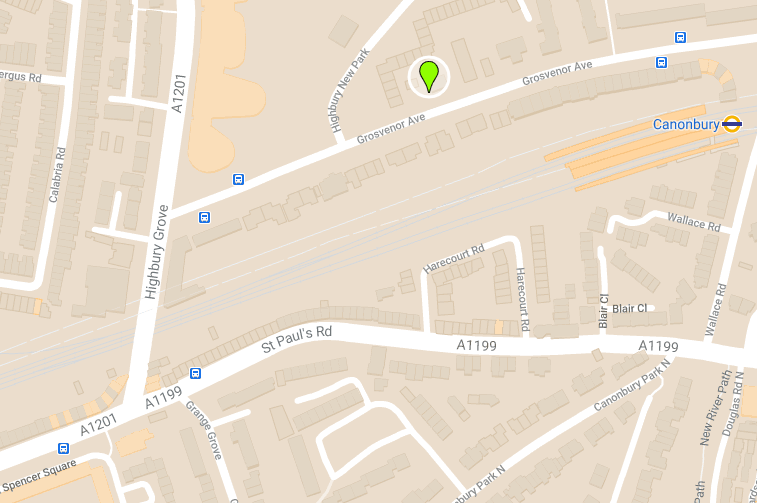
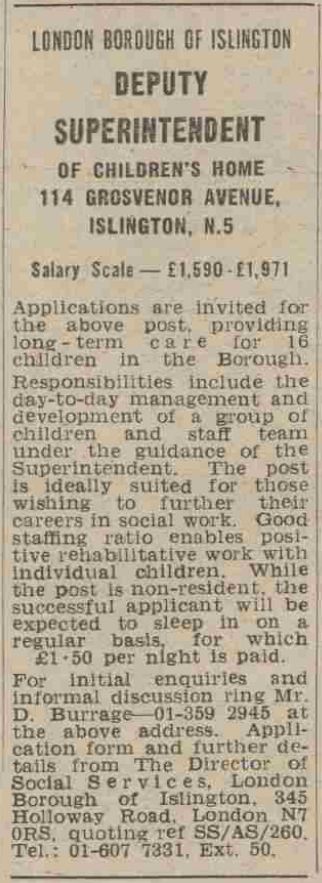
Address: 114 Grosvenor Avenue, Islington N5 2NY
Open: 1974 -2002


Number of ISN survivors that lived at Grosvenor Avenue children’s home: 25: 17 boys and 8 girls
1970s: 7 boys 4 girls
1980s: 10 boys 4 girls
Numbers of children named by ISN survivors as living at Grosvenor Avenue children’s home: 92 : 53 boys and 39 girls
1970s: 34 boys 19 girls
1980s: 19 boys 20 girls
In 1983 a file entry stated that the home was for 11 years and younger for those interested in being fostered. No longer a long stay home (Islington Survivor file).
Numbers of children named in Betts Inquiry report 1992
It had been a Children’s Unit since 1974 originally providing long stay accommodation for 17 children within the Borough as an alternative to the London County Council homes situated in Hertfordshire. In 1992, the unit provided accommodation for up to 12 children but when inspected there were just 8 children living there who had lived there from between a month to 4 years.
Residential staff named by ISN survivors as working at Grosvenor Avenue children’s home: 67: 35 men and 32 women
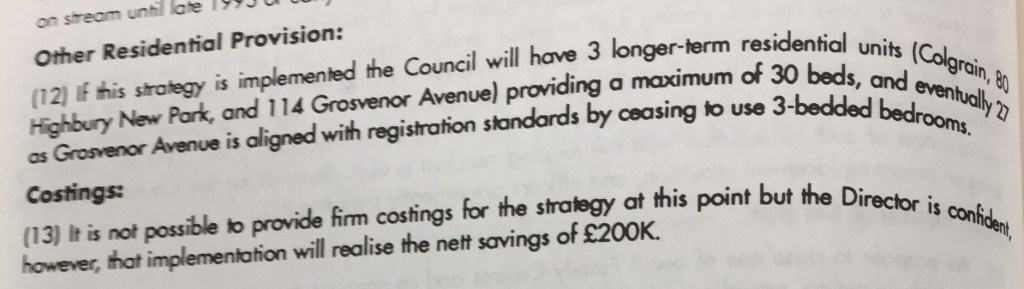
In 1992 savings were being made by Colgrain, 29 Highbury New Park and Grosvenor having 27 places as Grosvenor was no longer having 3 bedded units.
Life at Grosvenor Avenue children’s home This information will be added soon
Grosvenor Avenue children’s home was inspected in 1992
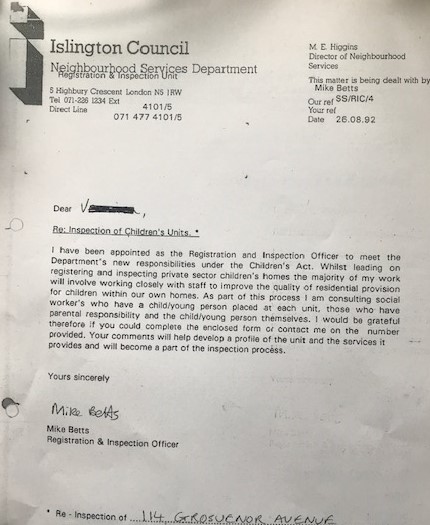
Mike Betts, the Senior LBI Manager who conducted the Inspection wrote a damning report and was subsequently demoted. (Evening Standard article 11.3.93 below). ISN only received a copy of this report in 2025. The letter below was sent to all the young people resident at this home.
Description of Grosvenor Avenue
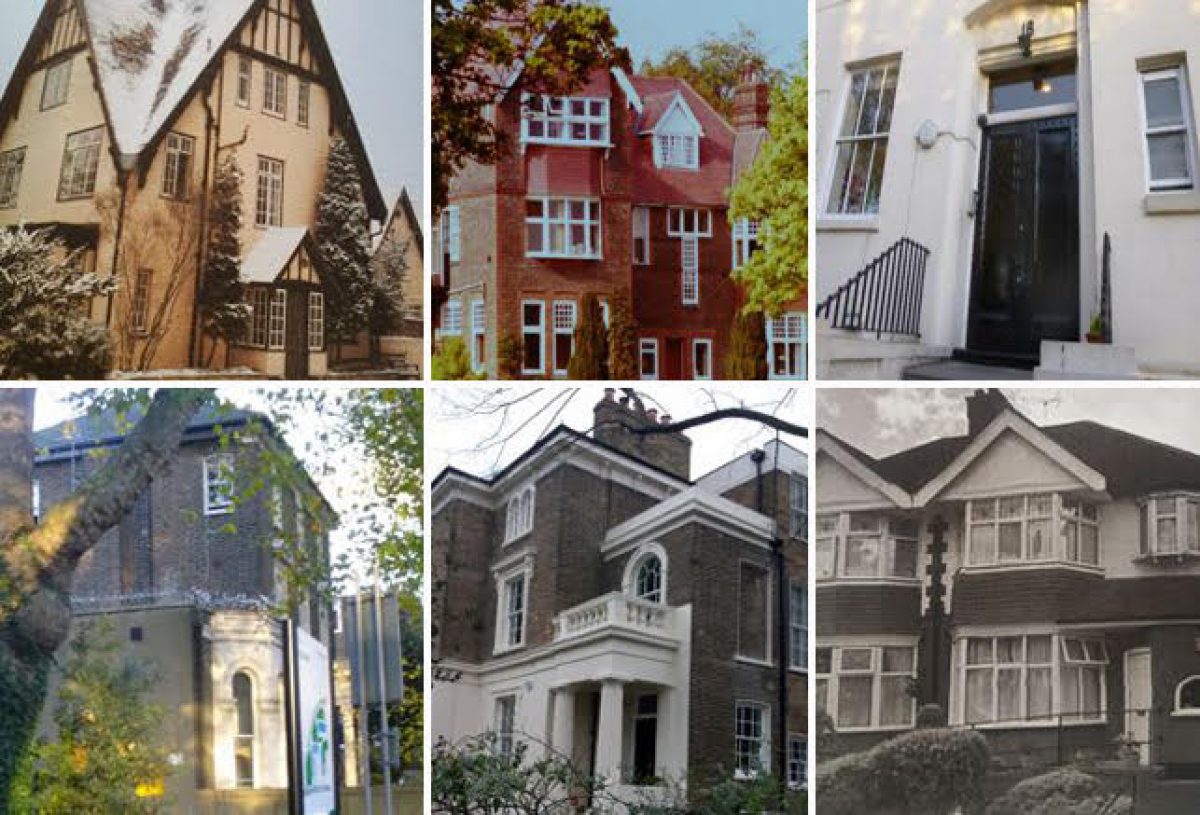
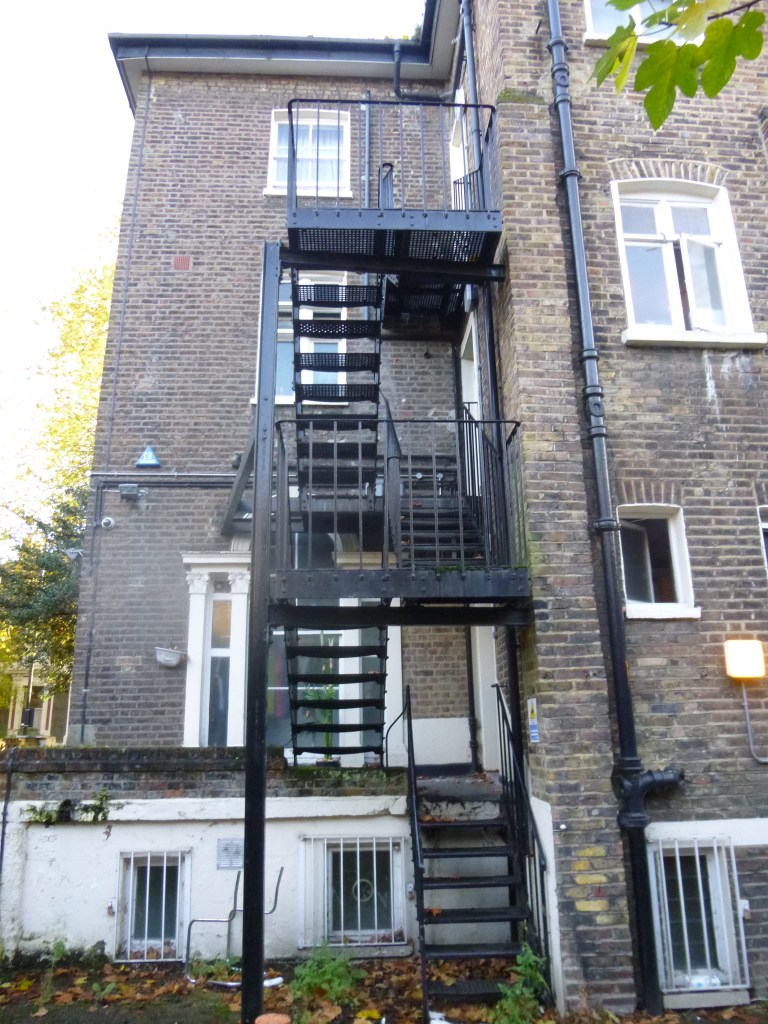
114 Grosvenor Avenue is a large detached Victorian house comprising of 3 floors and a basement on a central stairwell situated in Highbury. The unit Statement of Purpose stated that the majority of children awaited foster placements. Therefore one of the unit’s main objectives was to prepare children for a substitute family. With older residents, usually when a suitable foster family could not be found, the unit aimed to prepare the young person for a more semi-independent placement and in some cases to facilitate rehabilitation home. During the inspection between 11.9.92 and 15.10.92 Betts visited 7 times throughout the day and was able to see every member of staff and every child.
Staffing
The unit was staffed by a Superintendent, 2 Deputies and 8 Residential Care Workers. There were also 2 cleaners, a cook, an administrative assistant and a handy person. Staff were accountable to the Neighbourhood Officer Social Services at Highbury Neighbourhood Office. When inspected, the unit had 1 Superintendent, one Deputy and 3 RCO’s. There was considerable over dependency on agency staff. Because of staff shortages agency staff acted as key workers to children and provided over 50% of the staff filling posts that had been vacant over a year. Betts wrote that, ‘This policy can only have a disruptive effect on planning and caring for the young people’. Betts recommended a review of staffing levels in relation to the guidelines Homes for Children (London Boroughs Children’s Resources Panel). The Superintendent was the only qualified staff member. There were no training profiles for staff, though one was a qualified first aider and most had attended the departmental Children Act training. Two had completed the departmental course on child protection. There was a need for training on food hygiene, first aid and for being a fire marshal. There were no night waking staff but 2 staff slept in the building -which Betts said was appropriate for a unit of this size.
On staffing matters alone, ‘this unit does not meet a registrable standard.. prolonged or frequent use of agency staff is not acceptable‘. Betts wrote that on his next inspection he would look at induction, supervision and accountability. Sadly there was to be no further inspection as, in spite of there being no disciplinary process against Betts, he was demoted by the Assistant Director and was removed from work with children.
The physical environment
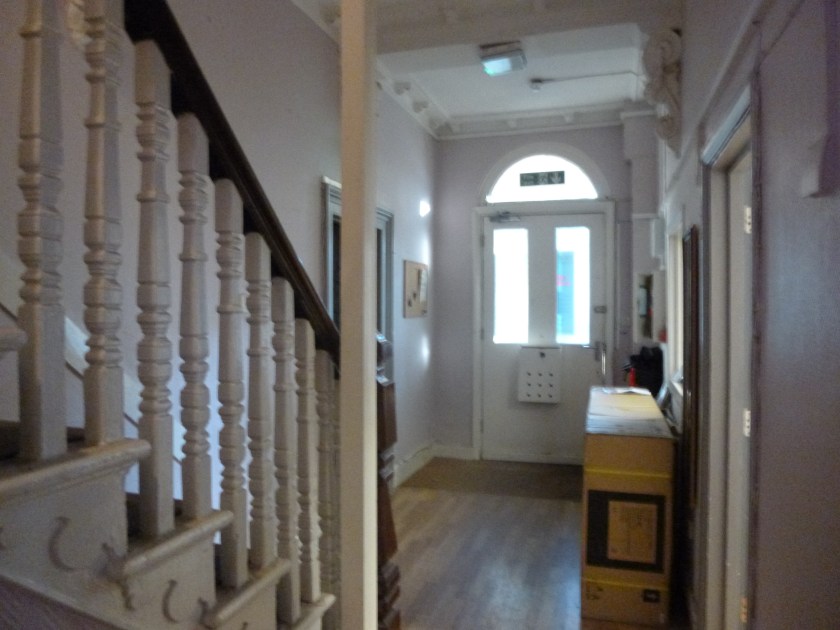
Betts recommended replacement of worn carpeting and very old toilet and bathroom fittings. He stated that extensive redecoration was needed . He suggested the purchase of a small desk, chair and easy chair for each bedroom and removal of old, broken furniture. Furnishings needed to be urgently checked by the fire officer. One bedroom did not fulfil the space requirements and the practice of 3 children sharing a room had to be stopped in line with guidelines. He was concerned that no radiators had thermostats and recommended a refit of the kitchen to include a hand basin and attention to lighting and sockets. Food he said should be stored in designated areas and in a safe hygienic environment subject to regular cleaning. Fridges and freezers required defrosting and training of all staff in food hygiene was required. Plastic beakers needed to be replaced by proper crockery and mugs.
Betts remarked that the ornaments and pictures in the living room / lounge would be ‘better displayed in a car boot sale’ and that there should be space for pictures that the children had brought back from holidays A large playroom was used to store disused furniture and needed to be opened and renovated as a comfortable room which could be used for meetings.
Betts recommended an urgent report from the Fire Officer and Fire Brigade as children and staff are, ‘clearly at risk if a fire were to break out’ and ‘ because of this the unit would not be registrable’.
Care Practice
After a visit during one evening, Betts recorded his many observations and concluded that staff cared for the children and were sensitive to their needs. He noted there was no policy on dealing with violence. He also criticised the use of ‘grounding’ as a punishment.
Betts noted that the allowance for toiletries was the same for both boys and girls but that the girls unfairly had to provide their own sanitary towels from the allowance. Also there was no consideration of the extra expense of skin and hair care for children from black and ethnic minority groups.
There was only one call box and the children’s conversations could be overheard as it was in the hall which Betts wrote was a breach of their right to privacy. He recommended that a fully sound proofed call box should be provided. Also in relation to privacy, there was no provision for private space for children to see visitors without imposing on other residents.
Betts was concerned that fire exits remained capable of being opened from the outside so that people could enter the building without the knowledge of staff. This presented an obvious risk to children.
There was also no evidence of a complaints process although there were complaints made.
Records
Betts examined records and log books. He recommended that children should be made aware of their right to access their records and to be involved in writing the monthly summaries. He wrote that case files needed to be organised , divided into sections and to provide clear evidence of working in partnership with the child, those with parental responsibility and the social work team at the Neighbourhood Office.
‘There was in terms of records little evidence of care planning and reviews taking place. .. there were plans for some children to be fostered but these were 4 years ago and the records did not explain the difficulties. There needed to be written agreements for each child which should be amended at each child in care review. Staff needed to be familiar with the requirements in the Handbook Children Act in Islington and this would be reviewed at the next inspection
Each child had their own care file kept in a locked filing cabinet. Some were jumbled. Out of 9 cases there was only 1 written agreement. ‘For many of the young people it seemed that the Children Act had by-passed the unit’. Daily log sheets were completed but seemed part of a shift handover rather than being related to the needs of the child. Not every child had a record of a monthly summary. Betts wrote that passports and birth certificates should not be on the files but kept securely and there should be a record of all valuables kept in the safe.
A written protocol was needed for when a child was absent without authority. Betts noted that one young person was missing most weekends and the whole of the summer holidays and the police when informed said they had no power to return the child to the home. Reference in a protocol needed to be made to Recovery Orders (Section 50 Children Act 1989) and the Removal and accommodation of children by the police in cases of emergency (Section 46 Children Act 1989).
The unit ‘does have an admission/ discharge ledger which in design seems to have been left over from the Workhouse. It is divided into columns. Number on admission, year, day, month, name, date of birth. sex.name and address of nearest relative, name of home sent to, whence admitted, observations and general remarks. .. to fit into a space appropriate to a quarter the size of a postage stamp. The record was incomplete with some children not included‘. The procedure needed to be redesigned in the light of information required under Schedule 3 Regulation 13 Children Act 1989. The information on staff was not updated and particularly in relation to Agency staff ‘on whom there is minimal information‘. Betts wrote that a new admission and discharge book should be designed and issued.
Betts recommended a separate accidents book and a record of disciplinary measures, duty rosters, daily logs for children and a signing in book for visitors. Some of these were in place but not all.
Child home inspector is demoted (11.03.93)
Evening Standard, 11th March 1993
by Eileen Fairweather
MIKE BETTS, the Islington children’s home inspector whose damning reports on the borough’s homes were suppressed by management, has been demoted.
Two weeks ago the Evening Standard revealed that senior officials denied the existence of his horrifying reports to councillors and the independent inquiry ordered by Health Secretary Virginia Bottomley, following our expose in October of the borough’s child care.
Our three-month investigation uncovered management indifference to suspected pimps and paedophiles sleeping with children at the homes and sexual abuse by staff. The inquiry’s interim report, published last month, upheld the paper’s major allegations.
In a Press release today the social workers’ union, Nalgo, confirmed a cover-up of Mr Betts’s reports.
Nalgo says that Mr Betts, who was removed from his post without explanation last month, has been victimised. His reports, it said, ‘were suppressed because they supported serious allegations made in the London Evening Standard’.
The Standard discovered the concealment of Mr Betts’s reports a few days before the inquiry published its findings last month.
We informed the inquiry team who interviewed Mr Betts, obtained his reports and in their own report noted their ‘concern’ that they had not been made available to them.
Martin Higgins says that reports did exist, but were not submitted to councillors because they were ‘incomplete’ as Mr Betts had joined a strike by social workers.
When it ended in February, Mr Betts, who has 20 years’ experience as a social worker and manager, was told to clear his desk and has been demoted to an assistant neighbourhood officer.
Mr McDonald, 28, was previously vice chairman of social services in neighbouring Camden. The council said that if Mr Betts was unhappy with his treatment ”there are appeal procedures’.

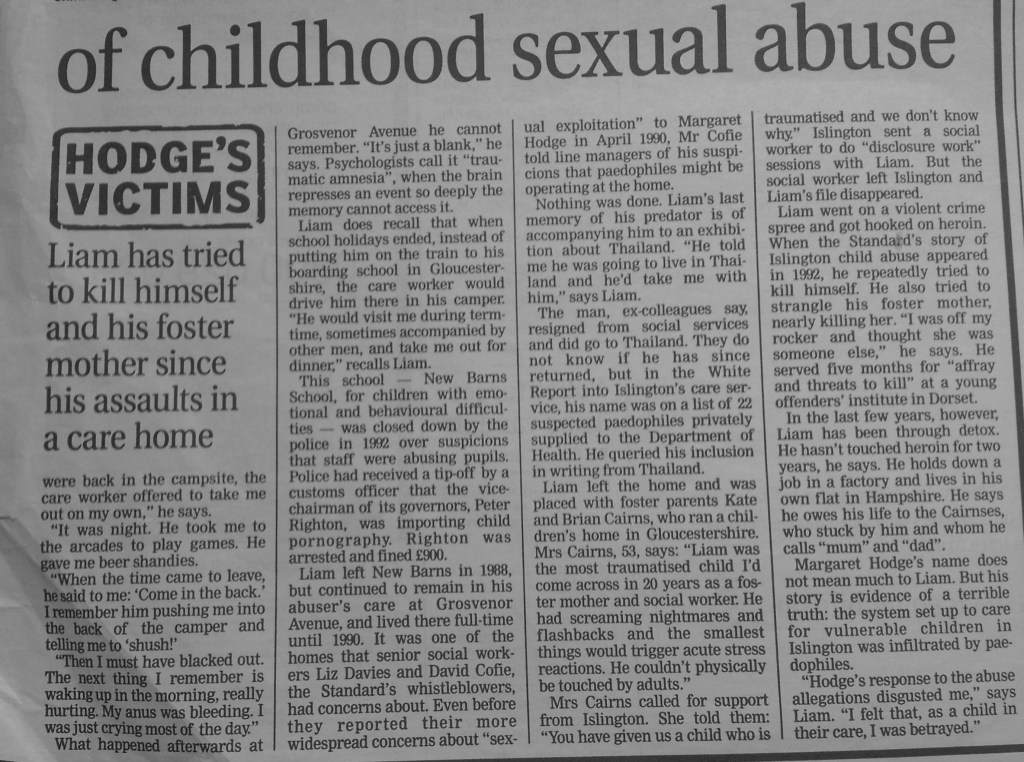
Nicholas Rabet was the Deputy Manager of 114 Grosvenor Avenue children’s home and ‘dressed like a cowboy’. He had previously worked at Gisburne House. He owned a children’s activity centre in Sussex called The Stables. He was investigated by Sussex Police in 1992 and they asked for Islington Council’s assistance, but, despite the police’s best efforts, no prosecution followed. He moved to Thailand and was prosecuted there of abuse of 30 boys some as young as 6 years old, and he committed suicide in 2006 before any conviction took place.An article in the Telegraph (17.07.05) showed a photograph of him when arrested. One residential social worker and whistleblower said that children were taken from Grosvenor Avenue to The Stables. Children from Grosvenor Avenue were also taken by Rabet to Jersey.

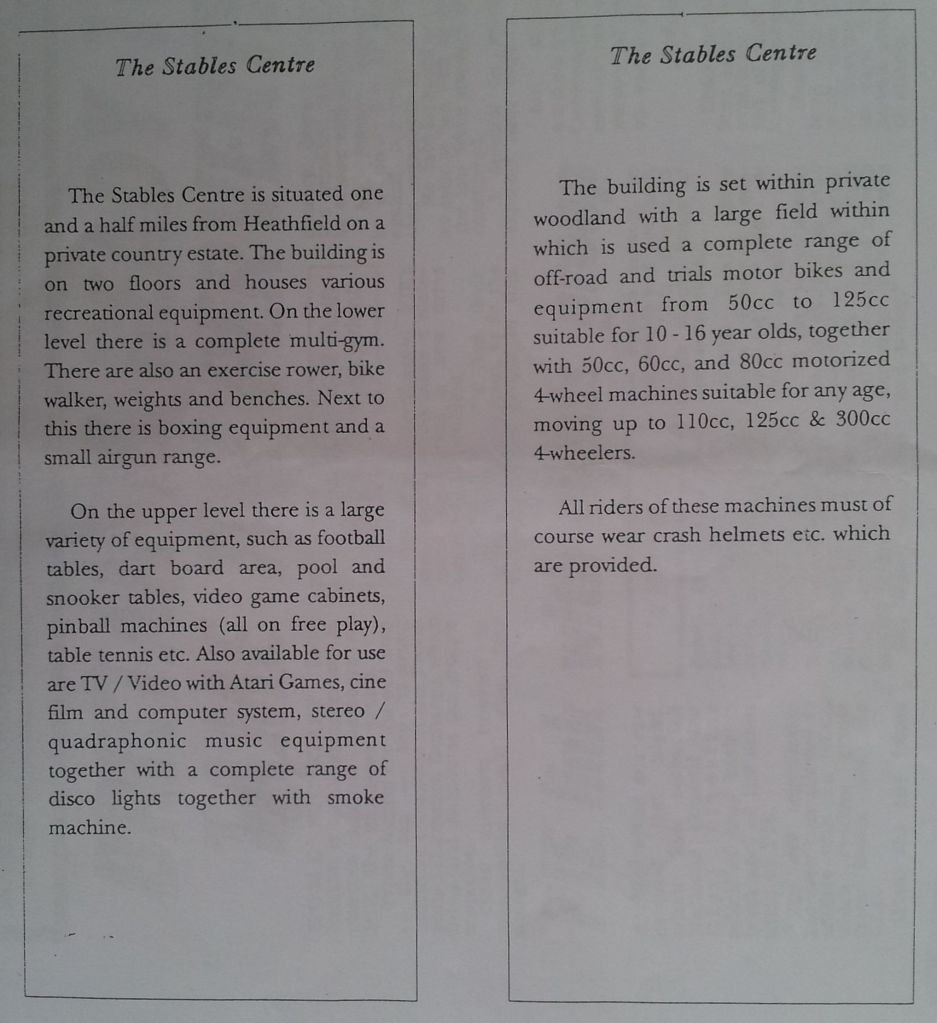

Country life of a child abuser; ‘Rabet recruited many young boys to work at his activity centre’ Evening Standard, 07.08.1995
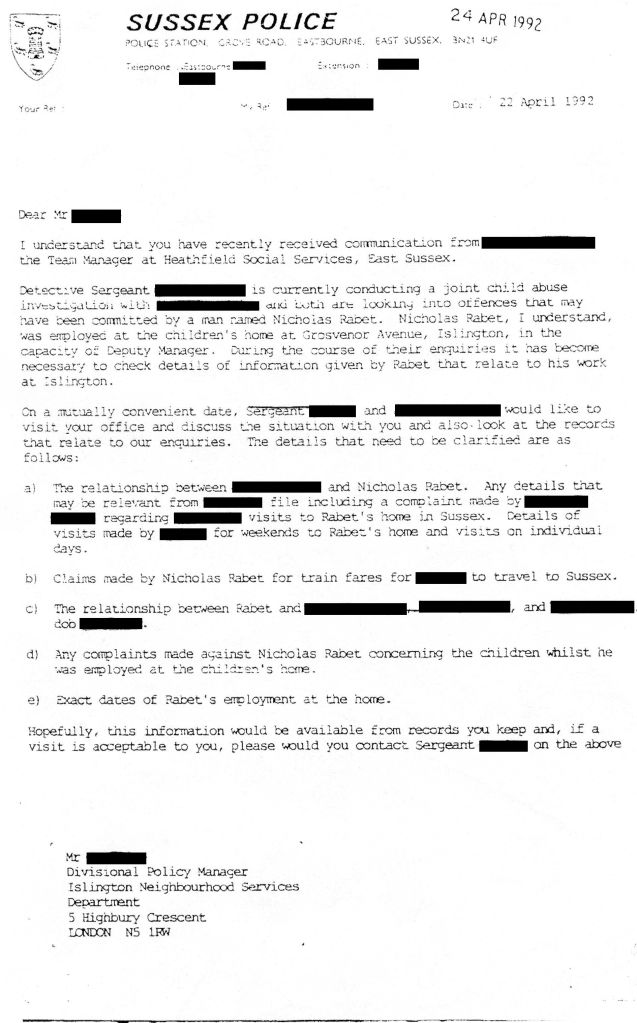
‘Terrifying flashbacks of childhood sexual abuse’
Evening Standard, 02.07.2003

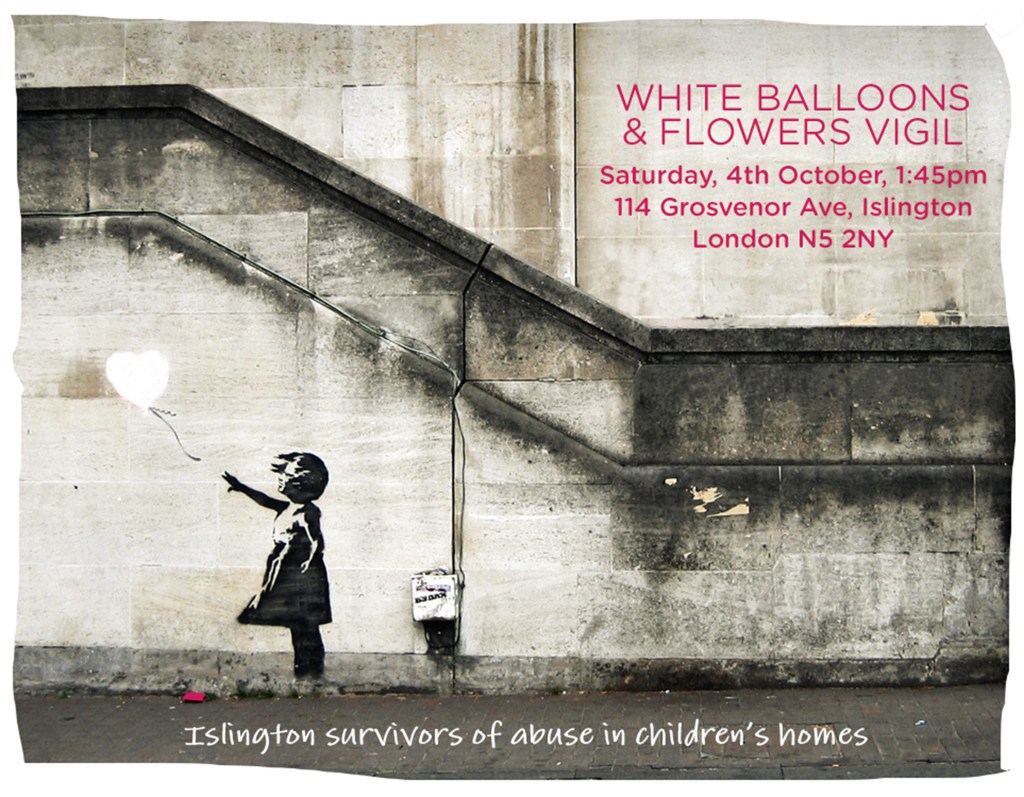
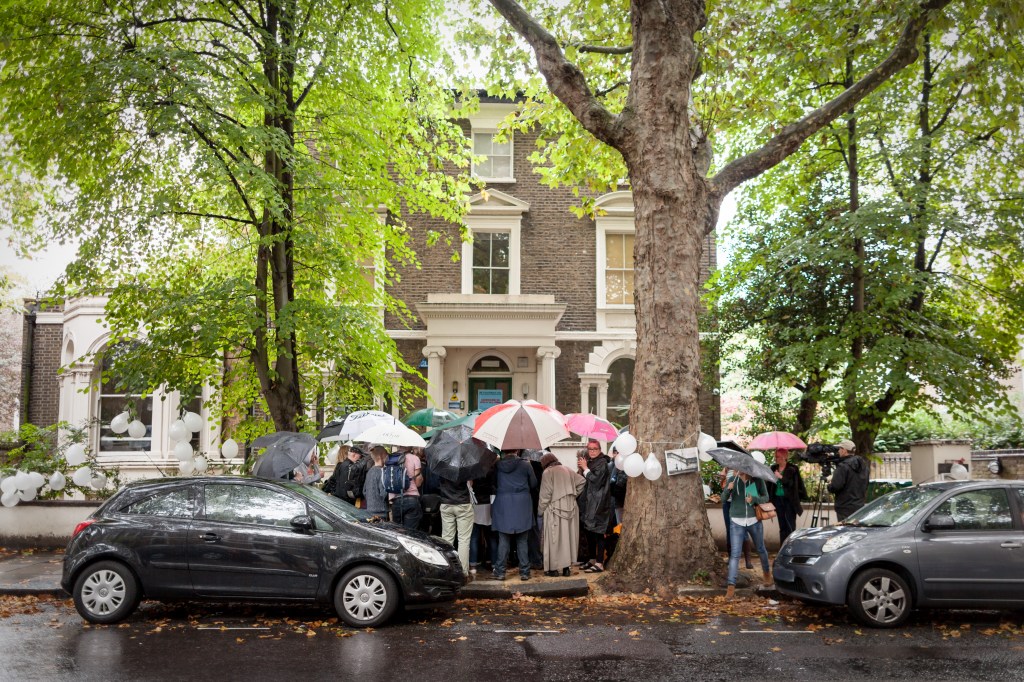
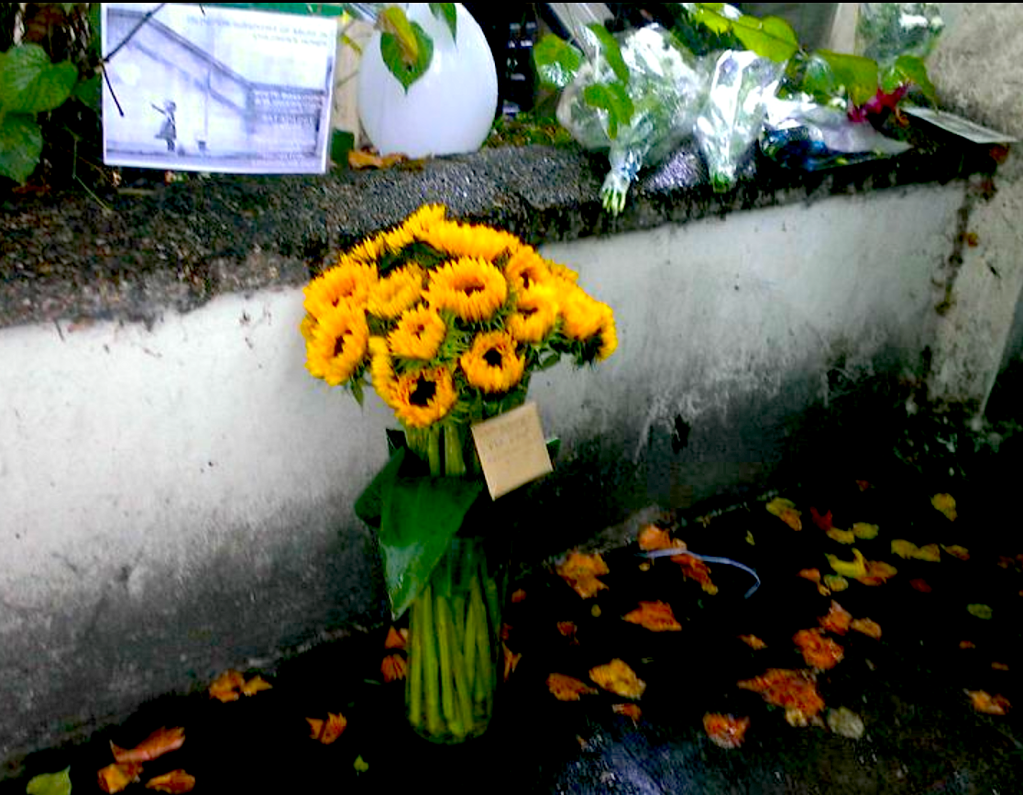
WhiteFlowers Vigil at Grosvenor Avenue 2014
 Islington Survivors Network