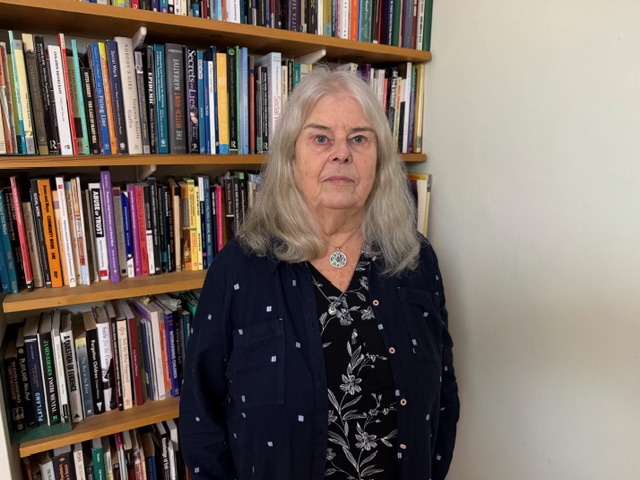
SURVIVORS of the Islington Council children’s home abuse scandal have been left stranded after services were “recklessly axed” in a budget cut, the social worker who exposed the abuse has said.
The former Islington social worker said survivors were now being directed to the mental health charity MIND, but added that it was worrying that this was not a specialist service and that phone operators had never heard of ISN, the organisation which has helped some 800 survivors.
She told the Tribune: “Survivors now feel that no one cares about them, that they’ve got nobody. Before, campaigners felt like they were being listened to when the services were first set up.
“This was a very specialist service, and now they’ve lost all these people they had that they could ring about whatever it was that had upset them. Maybe they couldn’t even explain it that well but they could ring them and they could get a response. Now, they will have to start from scratch.”
The Town Hall said earlier this year that it was an “appropriate” time for them to end the support scheme which has run since 2017, and seen the council pay for therapy and other services for victims. It has previously described decades of sexual abuse against children placed in council-run homes as the “worst chapter in its history”. The abuse took place between the 1960s to the early 1990s, while warnings of a paedophile ring were dismissed.
Dr Davies estimates there were 2,000 children living in the homes during this period.
A report by Sarah Morgan QC, commissioned by the council in 2018, concluded that: “Many will need access to specialist counselling or therapy; some will be ready to take that up as soon as it is offered; some may not be ready to take it up yet but may find that they are in a few years. It must still be available to them when they are ready.”
Dr Davies said it was “shattering” that this support – the trauma service at St Pancras hospital, the Non Recent Abuse Team, and a grant for the ISN itself – was now being taken away.
She told the Tribune: “It’s just terrible. It’s absolute devastation which we can’t solve. I’ve written and said I hold the council responsible for the consequences, and there will be consequences. These are people who have been kept alive by these services, and they feel in absolute despair. A lot of them we won’t hear from, they will go back into their shells.
“It’s tragic. The trauma service was so good, and the work they did was life-changing. We spent so long in meetings with them and survivors, and they got it right, we never had one complaint about them.”
An Islington Council spokesperson said: “We remain committed to ensuring that survivors continue to have access to meaningful, trauma-informed support. The new model of support is designed to be sustainable in the long term. It was shaped over several months with input from survivors themselves and partners including the Islington Survivors Network.
“Best practice has been embedded into adult social care provision. A new community support service, delivered by Islington Mind, complements existing community and NHS services, working together to support people in different ways.
“Islington Mind have extensive experience working with residents who have experienced trauma. They are ready to support survivors and understand their needs. Islington Mind are also well connected with other services and are committed to partnership working to support survivors with a range of issues they may be experiencing. Our shared goal remains the same – to ensure that survivors continue to have access to informed, compassionate and safe support in Islington.”
Islington Survivors Network have tried very hard in endless meetings with council officers to hold onto these Islington council services for survivors of crimes against children perpetrated in 41 Islington children’s homes from the 60s to the 90s, but the closures are definitely going ahead at the end of March. The council leader Una O’Halloran has refused our request to meet her, instead referring us to her officers in adult services. This is a battle we have not won and the services we fought so hard for, and the unique experience they gained in working with us all, must now be recorded and available for others to learn from.
Ten years of these excellent services has come to a very sudden end but we do realise that this is in the context of vast cuts across the local voluntary sector. There really was no discussion to be had, although the council did suggest ‘replacement’ services and soon realised that nothing could replace our specialist services. The council has of course broken their promise to us of providing flexible lifelong services as Sarah Morgan QC in her review (2018) said they had to be.
Islington Survivors Network will continue and will archive the press coverage of the campaign, the ISN website and documents such as Inquiry reports. London Metropolitan University has agreed to work with us to create an Archive accessible to the public. ISN has acquired a vast photograph archive of life in the children’s homes and will approach other archives which could manage access to this in the appropriate confidential way. Other records will remain confidential.
The University is continuing to support us by providing us with our room and we aim to keep going because survivors are still coming forward. However, we will not be able to replace the support and advocacy work of the services we are losing. ISN will continue to advocate for survivors in civil legal claims (working alongside Leigh Day solicitors) and assist with police investigations. We also intend to continue to assist survivors in accessing their childhood care files, However, the sensitive, caring system ISN set up and worked with over 10 years will no longer be in place, and once again this will be the complex, painful and difficult task that it was when we first set up. There will no longer be the Trauma service to support survivors with the issues raised for them by the file records.
The council is providing ISN with named officers for issues concerning housing and with the IMAX service ( Islington Council’s Income Maximisation team which provides support for residents on benefits). They are also linking ISN to Islington MIND – again to a named officer. When we have all the details and contact numbers we will make sure everyone is informed.
We are sad to be the bearers of this news. However, we have had 10 years of these services and also developed the Support Payment Scheme – a flat rate payment made to each survivor. As far as we know, we are the only UK survivors group which has achieved this. IICSA (Independent Inquiry into Child Sexual Abuse) made recommendations in 2022, including for a national redress scheme, but none of these have yet been implemented. This was only possible in Islington because of the determination and persistence of 800 Islington survivors who contacted ISN from when we began in 2014. Without their immense knowledge and experience none of this campaign would have happened.
There remains outstanding work in bringing perpetrators to justice and ensuring they no longer work with children. Operation Granbury set up in 2024 as a dedicated police team, based at Holborn police station, but this has now closed. Although some of the 80 perpetrators, identified by ISN, have died, there are others alive who have still not been the subject of investigation although reports have been made about them over many years. Survivors’ evidence is a very important source of information about child abusers and statements they provide about child abuse should lead to proactive child protection investigations to make sure that children are not currently at risk of harm. Operation Granbury officers worked hard to try and get a wider and better resourced investigation set up but this was not agreed by the Met Police.
Few survivors read this website as many have no access to computers. Please do help by contacting survivors you know and letting them know what is happening. We will keep survivors informed of all developments and will be sending out a letter as well as emails when we finalise some of the new arrangements. ISN no longer has a postal address so it is best to respond by email or leave a message on 0300 302 0930 and we will call you back.
Liz and Jane – Coordinators and the Directors of ISN
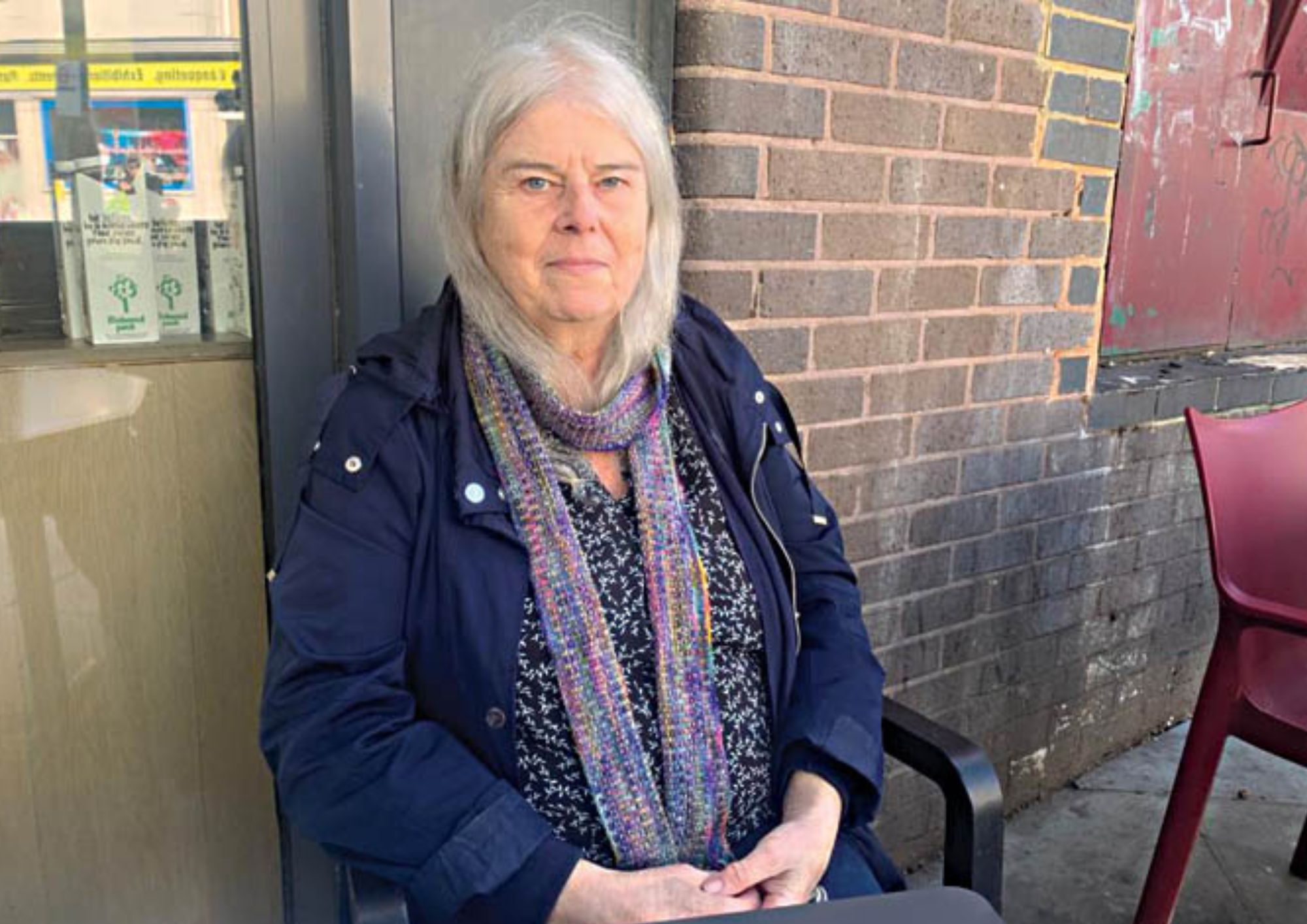
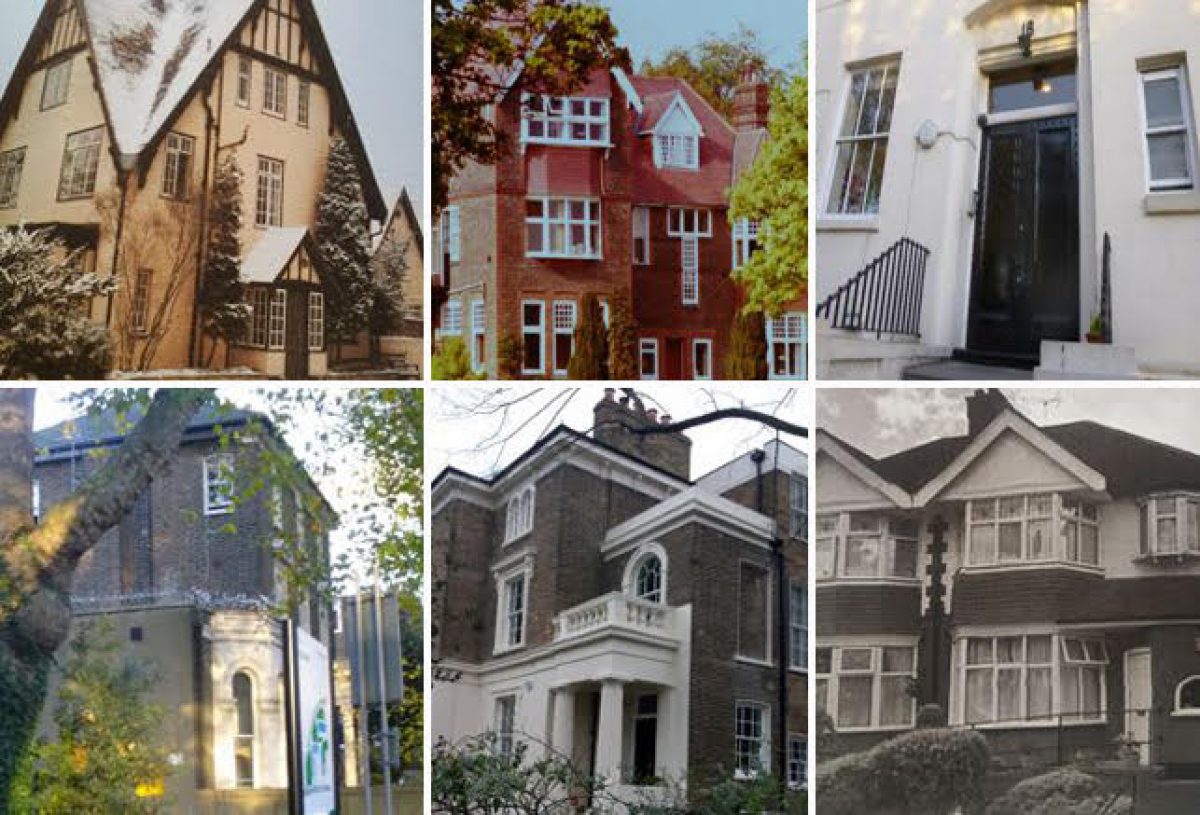
Protecting children from abuse has been Liz Davies’ life’s work. In the 90s, as a social worker in Islington, she investigated and exposed abuse at 41 children’s homes.
She has been disbelieved, discredited and even received death threats. But she kept going, fuelled by her social work values.
In 2017, her dogged determination was vindicated with an apology from the London borough’s then leader Richard Watts to survivors, and herself, for “the council’s failure historically”.
A support payment scheme was set up offering £10,000 to all survivors of which more than 450 have benefited.
Though the scheme has now closed, The Islington Survivors Network founded by Liz with survivors in 2014 continues to investigate on behalf of and support survivors. Some 800 people have come forward providing statements of abuse in the homes dating back to the 60s.
“The survivors’ information about abusers is priceless in terms of protecting children now,” says Liz. “The reasons why they made those statements was to protect children now. It wasn’t for the money.”
Since the 90s public awareness of child abuse has grown. There has been the uncovering of horrific abuse by disgraced television personality Jimmy Savile. The Independent Inquiry into Child Sexual Abuse. Sex trafficking by Jeffrey Epstein and allegations of other powerful men in his network of abusers, including Andrew Mountbatten Windsor. The grooming gangs scandal.
Despite this, Liz believes cultures of disbelief still exist.
“I raised the alarm in the 90s, as a senior Islington social worker, about an organised network of child sexual exploitation that I witnessed between 1986 and 92.
“I have since spent 35 years seeking justice and healing for the survivors – but even now the struggle continues and the battles are ongoing.”
Liz says she was met with “numerous obstacles” when she uncovered evidence of children being “networked to child sex abusers” in Islington.
“In the 2020s, survivors told me that 50 children at a time were in this flat which ran as a ‘peep’ show for the posh cars that pulled up at the window.
“Survivors also told me that staff took them from children’s homes into forests at night and abandoned them there, leaving them to find their way back. They told me that men would try and drag them into their cars and that the children would hang onto each other to try and avoid separation.
“There is still no investigation of what I consider to have been many examples of child trafficking. Similarly I have on record that Islington children and Jersey children were swopped between abusive children’s homes under the guise of ‘holidays’.
“I have collated the names of 80 known and alleged abusers, mainly residential workers and visitors, who were allowed access to children in the homes.
“In spite of well prepared evidence, many of the abusers have avoided investigation.”
Liz co-wrote 15 reports into the organised child sex abuse network in the borough. However, 14 subsequent inquiries ended with a report in 1995 that found no evidence of such networks. The Morgan QC Review, commissioned by Islington Council, repeated this denial in 2018. Liz says she has testimonies from 60 survivors claiming otherwise.
Liz left Islington disillusioned in 1992, citing as the final straw being asked to place a seven-year-old boy in a foster placement she had reported as abusive.
She went on to work as a child protection manager and trainer in the London Borough of Harrow for 11 years until political changes ended the role.
“From the mid 90s a policy shift took place to destroy the effective protection of children in England and Wales,” she says. “It took place slowly and systematically so that hardly anyone noticed what was happening or realised how sinister the changes were.”
Liz describes this as a shift away from social workers being involved in investigating child abuse to social workers focusing on assessing and supporting families.
She cites the introduction of the 2000 Framework for the Assessment of Children in Need as solidifying this, recalling a training event about managing change that indicated the writing was on the wall: “At this manager’s meeting I could not see my post as child protection manager and trainer anywhere on her redesign chart.”
What followed, says Liz, was an end of social workers and police working jointly in child protection, something she links this to subsequent deaths of children known to services and reviews highlighted failings to share information and “missed opportunities”.
“The Assessment Framework divided the work of police and social workers,” she said. “Social workers were removed from the investigation of child abuse which was seen to be the sole domain of police.
“Instead, social work’s role was restricted to the broad assessment of every child’s needs. Words like ‘risk’, ‘investigation’ ‘protection’ and ‘abuse’ were frowned upon with the intention of seeing the child’s holistic needs. Prevention was pushed at the expense of protecting children from abuse.”
Now in her 70s and emeritus professor of social work at London Metropolitan University, Liz remains an outspoken critic of the child protection system. She blames deregulation and the removal of the child protection register – a database of children subject to child protection plans – for priming the sector for privatisation.
“Lord Laming suggested the abolition of the register which took place in 2008 even though Victoria Climbié might have been protected had she been on it, and Peter Connolly if the emphasis had been to comply with Section 47.
“Privatisation and deregulation were the main goals of government and IT companies needed systems to be minimised and able to be completed by anyone, however unskilled.
“The flow of ideology towards prevention not protection had set in firmly and was propagated by many academics who lost sight of the need for risk assessment and child safety.
“Investigation and intervention became dirty words indicative of a totalitarian state, rather than justifiable, proportionate action to protect children from harm.”
An outlier for many years, Davies’ call for the investigative skills of social work to be strengthened are now more in line with mainstream policy in England and Wales.
The government is planning to rollout specialist multi-agency child protection teams that will include social workers and police as core members in every area. It is also creating a new post of lead child protection practitioner.
A potential cap on profit is among a raft of measures aimed at “rebalancing the market” in children’s social care, with a focus on not-for-profit providers.
Liz welcomes plans to bring back joint working: “Police cannot investigate abuse on their own – child protection investigation required the skills of social workers who know the child and police who understand perpetrators and crime networks.”
But both professions, she said, will need appropriate pre and post qualifying training: “Training must include the skills to analyse the threshold between prevention and protection, and to make decisions about when to escalate and deescalate interventions in order to avoid false positives and false negatives.”
Asked for her message to government, top of her list is to “investigate the invasive takeover of child protection policy and practice by profiteers”.
She would also like to see child protection training made mandatory on police and social work courses and the removal of children’s residential and fostering provision from the private sector.
She called on social workers to stand firm against pressure to practice against their profession’s principles and to “seek allies along this journey”, such as their trade unions and BASW.
Liz urged social workers to “take notice of your intuition and feelings” and use investigative skills and analysis to test them.
For the next generation of practitioners, she offers this advice: “Use the powers you are given by society wisely and responsibly. Power is not always an oppressive concept if it is used to protect the vulnerable.
“Recognise this is a privilege and you have a duty to use this power when needed.
Listen and respond to the views of children and hear what they say through speech and behaviours.
“If a child speaks about abuse, or abuse is reported, then follow child protection guidance and investigate with colleagues from other agencies. This is what being proactive means.”
Sprinter and hurdler spent around a decade at an Islington-run children’s home
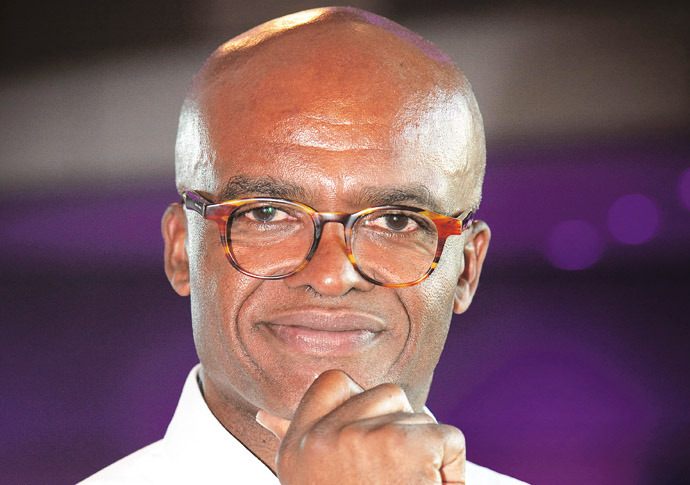
Kriss Akabusi [Paul Anthony Wilson Photography]
AN Olympic medallist who grew up in an Islington children’s home has said the council is “wiping its hands” of the young people abused under its care, after news that it is set to close the services set up to support survivors.
Sprinter and hurdler Kriss Akabusi, 67, spent around a decade in Copthorne, an Islington-run children’s home in Enfield, during the 1960s and 1970s.
He joined the army at 16, and later went on to win a silver medal for Great Britain in the 4x400m relay in 1984, and gold in the 1990 Commonwealth Games and 1991 World Championships.
“I left the children’s home in 1975 and very quickly I wanted to disavow myself of that whole experience,” Mr Akabusi told the Tribune this week.
“At 67, I’ve lived my life. I’ve got coping strategies and mechanisms, and the decision to deny it all and hide it all worked very well as a way of operating in the world.
“Only recently have I started engaging with the therapeutic services that the council offered that are coming to an end in March.”
Mr Akabusi said he did not experience abuse himself but recalled tough conditions in the home.
His time in Copthorne coincided with the years of the Islington care home scandal – the abuse of children in council-run homes from the 1960s to the 1990s, when warnings of a paedophile ring were repeatedly dismissed.
The Town Hall apologised in 2017, describing it as “the worst chapter in the council’s history”, and pledging its support for survivors in the form of specialist trauma therapy, practical help with housing and benefits, and a one-off payment scheme of £10,000.
The payment scheme closed in May 2024, but the council is now set to pull funding for the other services at the end of March, despite warnings that the decision could put survivors’ mental health, and even their lives, at risk.
“Islington Council allowed the abuse of children that were in their care, and now, doing a cost-benefit analysis, they say foxtrot oscar to those kids, fend for yourselves,” said Mr Akabusi.
“They’re only thinking about the bottom line, they’re not thinking about the cost to the lives of the users of the facilities that they put up, as the corporate parent.
Kriss Akabusi at the World Championships in Tokyo in 1991
“They’re ticking the box, they’re wiping their hands and they’re saving money. That’s the callous and nefarious nature, for me, of what’s going on. They’re traumatising their children all over again and no one gives a flying faeces. They’re delinquent in their responsibility.”
The former athlete first decided to tap into the free therapy service last autumn, some 50 years after he left care – and after learning that the Town Hall had lost his personal file from that time. Although he isn’t convinced that he will continue once the service closes, Mr Akabusi said therapy is helping him process traumatic emotions – and he raised concerns about those without the resources to pay for help if they need it.
“If I want to, I can afford to go out and spend £100 on a session – but what about the kids who can’t? What about the kids who are on social security, or are one step away from sleeping under a bridge, for whom this support keeps their head above water?
“The kids that haven’t got the wherewithal that I’ve got, they’re on the brink. I hope this is not true, but kids will die as a result of this decision. And the ‘parent’ doesn’t care.”
Islington Council has said it is working with the Islington Survivors Network – an organisation of over 800 survivors – to develop what it refers to as “replacement” services.
But Dr Liz Davies, coordinator of ISN, told the Tribune that the funding cuts and lack of concrete plans to provide for survivors after specialist services are gone reflect a “disgraceful ignorance” on the council’s part.
Mr Akabusi was himself invited to take part in the transition process, but did not take up the offer. “All you’re doing is legitimising some sort of process that is rubber-stamped anyway,” he said.
An Islington Council spokesperson said: “We’re deeply sorry for the council’s past failure to protect vulnerable children in its children’s homes, which was the worst chapter in this council’s history.
“Our top priority is to protect children from harm, and we are a very different organisation today than we were in the past. The council no longer owns or operates any children’s homes.
“We recognise how important specialist support has been for survivors and understand why news of change is distressing. We’ve been encouraged by the positive, productive discussions we’ve had with ISN about what the new model of support will look like and how it will work going forward.
“We’re committed to providing the broadest possible range of support to survivors in future and, alongside input from survivors, have had in-depth conversations with our own Non-Recent Abuse Team and health professionals at Islington Survivors Trauma Support Service to understand survivors’ needs. We will share the plans for the future model of support once it has been further developed with all stakeholders, to help as many people as possible access the support they need.”
“We are grateful for the assistance ISN has provided to survivors and welcome their continued input. Our shared goal is to ensure that survivors continue to have access to high-quality, informed, compassionate and safe support in Islington.”
ISN survivor response to Islington Council comment below: ‘..this is a total fabrication on the part of the council…. ‘
‘Islington Council has said it is working with the Islington Survivors Network – an organisation of over 800 survivors – to develop what it refers to as “replacement” services’. ‘We recognise how important specialist support has been for survivors and understand why news of change is distressing. We’ve been encouraged by the positive, productive discussions we’ve had with ISN about what the new model of support will look like and how it will work going forward’.
ISN Survivor response;
‘Although this is a total fabrication on the part of the council. We (ISN) have stated from the start that we will NOT put our name to the ‘ skeleton service’ that they will clearly be providing because ALL the work has been done years ago to provide the amazing services they are disbanding.’
TRAUMA services for the survivors of the Islington care home abuse scandal are set to close after a shock council funding decision.
The Town Hall – which described the decades of sexual abuse against children placed in council-run homes as the “worst chapter in its history” – has paid for therapy and other services for the victims since 2017.
But ahead of next week’s local budget announcement, the Tribune understands Islington has decided to pull funding for the support described as a “lifeline” for those affected.
The abuse took place from the 1960s to the early 1990s, while warnings of a paedophile ring were dismissed.
ISN has helped some 800 survivors, including around 400 who received £10,000 through the council’s Support Payment Scheme, which ran between 2022 and 2024.
Dr Davies told the Tribune she was shocked and devastated by the impending cuts, which she learned about from survivors themselves, many of whom were informed via email.
“We’re picking up the pieces for these survivors who are panicking, because they have been told out of the blue that the services they rely on are being taken from them,” she said.
“We have already had some people saying that when it stops, they won’t be able to carry on. We’ve spent 10 years developing these services to the level of expertise they have, and now they will be gone.”
Cuts will affect three programmes: Islington Survivors Trauma Service at St Pancras Hospital, which lets survivors self-refer for therapy without needing to go via a GP or through a waiting list, and to which they can return whenever they feel they need to.
Islington’s Non Recent Abuse Team, which has helped some 200 survivors with practical needs related to housing, benefits, disability and more, will also be cut, as will a £31,000 per year grant to ISN itself.
Survivor Jane Frawley, who works with Dr Davies at ISN, said: “It made such a difference – it’s immeasurable. What Liz and a lot of the people that stood up and made a lot of noise for us did was make it so we didn’t have to go to the back of the list. We could call a number, say we had been in care, and then straight away we had a place where we could be heard.
“It’s a lifeline for many survivors, and one you can tap in and out of. The thing about long term trauma is it comes back, but if you take away those services, what do I do? Where do I go?”
Ms Frawley added: “It’s not easy when your history is as dark as ours, and we need support. It’s the least that we deserve, and it’s the very least that Islington Council can do. People were being paid to look after us, and they didn’t – in fact, they were being paid to torment, torture and abuse us.”
Any people who have accessed the services already will be affected by the cuts, but so too will those who have not yet come forward to identify themselves as survivors – Dr Davies estimates there could have been as many as 2,000 children who lived in Islington’s care homes when the abuse was going on.
Dr Davies said: “We have a dedicated team just for survivors, who they can access quickly and who understand what they have been through. To access general trauma informed support, they would have to go via their GP and there is a waiting list of about a year and a half. This isn’t the service they have had in any shape or form.”
The campaigners said it took years of work to set up the specialised service and this had been done so on the expectation that those services were not time-limited.
Dr Davies also highlighted a report by Sarah Morgan QC in 2018, commissioned by the council to look into allegations surrounding the care home abuse. Ms Morgan said in her report that she was struck by “the life long and continuing effects on those who were abused” and could see the “enduring harm and the continuing need for help”.
She added: “The direct contact I had with victims and survivors… helped me to understand, in a way I had not previously, the need to be able to trust that what is being offered will be enough and will not be taken away.
“Many will need access to specialist counselling or therapy; some will be ready to take that up as soon as it is offered; some may not be ready to take it up yet but may find that they are in a few years. It must still be available to them when they are ready.”
An Islington Council spokesperson said: “We’re deeply sorry for the council’s past failure to protect vulnerable children in its children’s homes, which was the worst chapter in this council’s history.
“We recognise how important specialist support has been for survivors and understand why news of change is distressing. We’ve been encouraged by the positive, productive discussions we’ve had with ISN about what the new model of support will look like and how it will work going forward.
“We’re committed to providing the broadest possible range of support to survivors in future and, alongside input from survivors, have had in-depth conversations with our own Non-Recent Abuse Team and health professionals at Islington Survivors Trauma Support service to understand survivors’ needs.
“We are grateful for the assistance ISN has provided to survivors and welcome their continued input. Our shared goal remains the same – to ensure that survivors continue to have access to high-quality, informed, compassionate and safe support in Islington.
“We have extended the funding of ISN to assist survivors on a recurring annual basis and throughout the lifetime of the Support Payment Scheme (SPS).
“The closure of the SPS in March this year, and the co-produced transition to a new, sustainable model of support for survivors in the long term, is an appropriate time to end our funding support for ISN.
“We are helping ISN to explore external sources of funding and retain a role in survivor engagement.”
Islington Survivors Network has been informed that the council leader, Una O’Halloran, has decided to cease all funding to Islington Survivors Network and Services from 31st March 2026. This is sudden and devastating news. We only knew of the plans from survivors who sent us the council emails they had been individually sent. Since then we have had meetings with council officers who wish to discuss the feasibility of ‘replacement’ services possibly financed by local charities. After years of campaigning to establish specialist services and working since 2018 in the development and provision of these services, it is obvious to ISN that there can be no appropriate replacement service set up within the 3 month time period before closure is planned to take place.
These cuts will mean that the Islington Survivors Trauma Service at St Pancras Hospital will cease after many years of coproduction with ISN. This is an excellent service which since 2019 has received consistently good feedback from over 200 survivors. Referral is made directly by survivors without the need to go via a GP or other professional and there is rarely a waiting list. The psychologists have a deep understanding of the Islington child abuse scandal and have developed specialist knowledge and skills applicable to the experience of child abuse in Islington children’s homes and foster placements between the 1960’s and 90s. The service accepts re-referrals and survivors can return when they need to. From the beginning, when we planned the service it was clear it could not be time-limited.
The Non recent Abuse Team at 222 Upper Street will also close. This consists of 2 support workers and a social work manager. This team has also been coproduced with ISN since 2018 after we had received a full apology from the council leader Richard Watts. In 2017 Watts publicly acknowledged survivor’s accounts of the abuse experienced until the 90s. He apologised for what he called ‘the darkest chapter in the council’s history’ and said,‘ We are desperately sorry. The council clearly did not do it best. There was systematic failure all the way through all of those years’. ‘Its incredibly important that we as councillors hear this because it’s important that we understand the full horror of what went on’. The Non recent Abuse Team has provided a highly valued service responding to more than 200 survivor’s practical needs related to housing, benefits, disability needs and much else. They also assisted ISN in accessing childhood care records in a sensitive way enabling us to collect the files from 222 Upper Street instead of, as before, at the site of a former children’s home in Elwood Street. The commitment, sensitivity and dedication of the staff on both these teams is highly valued by survivors.
Richard Watts, before he left the council, put in place the Support Payment Scheme which from 2022-4 provided over 450 survivors with a payment of £10,000. Implementation of the scheme was a rocky road with many difficulties, but the scheme was innovative and provided a one-off flat rate payment for survivors who would have found it difficult to claim compensation through civil litigation. In 2018, the Sarah Morgan QC Review, commissioned by the council stated that services for survivors must be ‘lifelong’ . We think it is important for Islington Councillors and Officers to revisit these report recommendations.
‘It is in my view, impressive and right, that the Islington Council of today is different from the Islington Council of the 80s and 90s and is committed to the provision of support for victims and survivors and is working with victims and survivors to make sure that the support which is offered is that which is needed‘
‘The direct contact I had with victims and survivors helped me to understand , in a way I had not previously, the need to be able to trust that what is being offered will be enough and will not be taken away. Many will need access to specialist counselling or therapy; some will be ready to take that up as soon as it is offered; some may not be ready to take it up yet and may find that they are in a few years. It must still be available to them when they are ready. Those who do not take it up need to be secure in the knowledge that they will not face a situation in which they will reach the end of their allocation of sessions and feel that they are cast adrift’
As the Review continued and my knowledge of the past failures of the Council and the experiences of the victims and survivors increased, I was forcibly struck by the extent to which characterisation of abuse as ‘non recent and of failings by the council as ‘past’ is entirely inapposite when it comes to understanding the life long and continuing effects on those who were abused. I saw and heard from adults who were able to explain to me how their experience affects their lives, their children’s lives and, as the next generation is born, their grandchildren’s lives on a daily basis. In some ways the message was conveyed to me even more clearly by those who could not find the words to explain but in whose presence I could see for myself the enduring harm and the continuing need for help’ (Morgan Review 2018.p125-6).
But cast adrift survivors will indeed be in April 2026. It seems the council’s memories are very short and that all the services put into place by Richard Watts and recommended in the Islington Council’s very own commissioned Morgan Review, are to be closed. ISN have consulted with survivors and the response has been unanimous in opposing these cuts and in fearing the impact on themselves and other survivors when and if these services are closed down.
The ISN office will continue to be at London Metropolitan University. A steady number of new survivors continue to come forward and our work with civil litigation and criminal cases continues. We also need to begin to archive our documents – such as the the press archive and inquiry reports.
A social worker who campaigned for former victims of child abuse in Islington has been recognised in the New Year Honours.
Liz Davies, founder and co-ordinator of the Islington Survivors Network, has been made an OBE for services to child protection.
She played a key role in exposing the systematic abuse of children in Islington’s care system from the 1960s to the 1990s.
She said: “I am pleased to accept this honour which I hope will provide recognition of my current work with survivors of the Islington child abuse scandal and assist the voices of survivors to be heard.
“Three of my respected colleagues put me forward for the award to assist me in continuing to challenge complex child abuse networks.
“I hope that the police and social services may now listen and begin to take the accounts of survivors seriously.”
Ms Davies raised the alarm in the 1990s as a senior social worker in Islington, uncovering an organised network of child sexual exploitation operating between 1986 and 1992.
Despite resistance from senior management, she and her colleagues submitted 15 formal reports detailing their concerns.
She said these were dismissed and the children’s stories ignored.
Ms Davies said: “Survivor’s childhood file records showed me that, as children, survivors tried to tell the adults who were paid to protect them, but they were ignored and labelled as the problem.
“They had no choice but to run away, often taking huge risks and many did not survive.”
Media coverage later prompted 14 inquiries into the abuse.
The final inquiry in 1995 found no evidence of organised abuse networks, despite Ms Davies identifying more than 60 victims.
In 1992, she left Islington Council after being instructed to place a seven-year-old child into a foster home she believed was unsafe.
She reported her concerns to Scotland Yard, which led to an exposé in the London Evening Standard and national media attention.
Ms Davies said she has spent 35 years supporting survivors and seeking justice.
She has since trained police and other professionals in child protection investigation, written several books on the subject and collected survivor testimony to build a more complete picture of the abuse that took place.
Evidence she compiled suggests that 41 children’s homes in Islington were affected, far more than the 12 originally believed.
She said: “My worst suspicions were validated, but I soon realised that there was so much more for me to learn.”
Ms Davies went on to work for 11 years as a child protection manager and trainer with Harrow Social Services before teaching social work at London Metropolitan University.
She is now an emeritus professor at the university.
In 2014, she co-founded the Islington Survivors Network, which now supports more than 800 survivors.
She has also criticised changes to government policy made in 2013 that no longer define organised abuse of children or require multi-agency investigation.
Ms Davies said she hopes the OBE will help ensure that survivor voices are finally taken seriously.
She said: “If this award helps me be heard then I will have accepted it for very good reason because it is only when the perpetrators of crimes against children are brought to justice that children are effectively protected.
“I have collated the names of 80 known and alleged abusers, mainly residential workers and visitors, who were allowed access into the homes.”
SHE was once ignored and dismissed as the powers that be refused to take her grave warnings about child abuse seriously.
But she refused to give up and now the whistleblower who lifted the lid on Islington’s care home shame has been recognised with an OBE in King Charles’ New Year Honours list.
Dr Liz Davies, who was as a senior social worker for Islington Council, went to the press when staff and politicians refused to act on her warnings about a paedophile ring and systemic abuse of children placed in council-run homes from the 1960s to the 1990s.
She now runs the Islington Survivors Network, which has helped more than 800 people and secured a public apology from the council in 2017.
At that time the Town Hall finally described the abuse scandal as “the darkest chapter in the council’s history”.
Islington had dismissed the claims in the early 1990s under the then leadership of Dame Margaret Hodge.
She later apologised for the council’s “shameful naïvety”.
A compensation scheme was set up for those affected, although there have been warnings about the qualifications required and a lament that it cannot help those who were abused in the care homes but have since died.
“It was the first time I had not felt vilified by council officials,” Dr Davies wrote after hearing Islington’s apology in the council chamber, adding at that time: “I just want to put it on the record that we are not going to stop. We are here for however long it takes. We want to see abusers convicted, and those who colluded removed from positions of influence.”
Dr Davies received the OBE for “services to child protection”.
Exclusive by Charles Thomson, Investigations Reporter
A children’s home at the centre of a new sex abuse claim was already linked to a succession of controversies and tragedies, including one kidnapping the killings of two teenage boys.
At least four people who worked at Islington Council’s former home in Conewood Street, later named Park Place, have previously been accused of abusing children, according to privileged council documents.
When another was convicted of kidnapping a child he met at the facility, a paedophile magazine sprang to his defence.
Schoolboy Jason Swift, killed by a child sex trafficking ring dubbed the Dirty Dozen, was linked to the building, as was another boy who was violently killed.
As lawyers representing the complainant urged other victims to come forward, the Islington Gazette explored the Conewood home’s murky past.
‘Sally’, now in her 40s, is suing Islington Council, claiming she was repeatedly sexually abused in her bed at Park Place in Conewood Street. She is seen her discussing the case with her lawyer Andrew Lord (Image: Charles Thomson)
Kidnap
In 1983, social worker John Picton (now deceased) snatched a 13-year-old boy he had met at the Conewood facility.
The boy had moved to an adjoining children’s home in Elwood Street by the time Picton took him.
The homes were joined by their back gardens, so staff and children could move between them.
Picton and the boy he abducted were tracked down almost two months later in Toulouse, France.
He was brought back to the UK and prosecuted, prompting a paedophile magazine called Minor Problems to lament his plight.
In an article titled ‘Affection is not a crime’, the paedophile rights newsletter claimed to have met Picton and been convinced “of his genuine concern for his chosen ‘son’”.
He was sent to prison for six months, which the paedophile pamphlet called an “inhuman wrong”.
The children’s home in Conewood Street backed onto another one in Elwood Street. Both have been the subject of repeated abuse allegations (Image: Charles Thomson)
Abuse Allegations
A 1999 council document revealed numerous historic abuse allegations at the Conewood home.
The document, by the council’s Child Protection and Reviews Service, was published under Freedom of Information laws at the request of Dr Liz Davies at the Islington Survivors Network (ISN).
It said two specific staff members were “alleged to be involved in abuse and pornography”.
A third was alleged to have watched a pornographic film with a child, at added.
Two girls separately reported being abused by unidentified persons at Conewood Street.
None of those allegations was dated in the file.
But a fourth identified staff member was “alleged to abuse boys through prostitution and described boys as his boyfriends” between 1986 and 1995, the report said.
After an “unsuccessful disciplinary hearing”, he went to work for another council.
As of 1999, none of these allegations had ever been investigated by police.
A 1999 Islington Council document, released under the Freedom of Information Act, detailed numerous historic abuse allegations linked to the Conewood Street home (Image: ISN)
Jason Swift
By 1999, police were aware of reports that Jason Swift had been linked to the Conewood facility not long before he died, the document continued.
Numerous staff and children have reported knowing him while he was there, said Dr Davies.
The Hackney teen was not a resident, she added, but attended an education facility there.
Jason, 14, was found in a shallow grave in Essex in November 1985.
He had died during a vicious gang rape by a paedophile gang known as the Dirty Dozen.
The tabloid press described him as a “rent boy”, despite him being a child incapable of consent.
Paedophile Sidney Cooke was convicted of manslaughter over Jason’s death in 1989, but how he first came to the attention of Cooke’s gang has never been properly established.
A 1999 document, released to Islington Survivors Network (ISN) under the Freedom of Information Act, said Jason Swift – later killed by a paedophile gang – had been linked to Conewood Street (Image: ISN)
Tony McGrane
Another Conewood boy wrongly described by tabloids as a “rent boy” also met a violent death.
Tony McGrane, 13, was found stabbed to death in a garage in Clerkenwell in October 1986.
His family denied lurid newspaper reports that he – a child incapable of consent – had been “selling sex in Soho”.
Tony’s death was one of 16 child killings investigated under Operation Stranger – the same operation that investigated Jason Swift’s death – as being potentially linked to one another.
But a 19-year-old family friend from Finsbury, called Gary Whelan, was ultimately convicted of manslaughter over Tony’s death in 1989.
A 1999 document, released years later under the Freedom of Information Act, detailed a catalogue of abuse allegations linked to the Conewood Street home, known to Islington Council but, until that point, never investigated by police (Image: Charles Thomson)
Her lawyer Andrew Lord, at Leigh Day, has appealed for anyone with knowledge of the home at that time to make contact.
The council said it could not comment on active lawsuits.
However, it has previously admitted and apologised for decades of widespread abuse in its children’s homes, calling it “the worst chapter in this council’s history”.
Exclusive by Charles Thomson, Investigations Reporter
Dr Liz Davies, from the Islington Survivors Network (ISN), said multiple child abuse victims had been told by their therapists that the council’s trauma therapy service would be closing down in March (Image: Charles Thomson)
Islington Council has stressed that it will continue its trauma therapy service for child abuse victims after confusion over its future emerged.
Some patients have been told by therapists that the service will close in March 2025. Others say they have already had their treatment cut off.
There has been anger and upset among abuse victims, with Jane Frawley, of the Islington Survivors Network (ISN), calling it “absolutely soul-crushing”.
Her colleague Dr Liz Davies confirmed that those who had received the news were left “very, very upset”.
The survivors network said dozens of new victims came forward in the final months of that scheme after the council advertised it on a radio station.
“So we are looking at months and months for them to get through all these people, with the potential of them then not being able to get any therapeutic help,” said Jane.
She said the apparent end of therapy made a mockery of the council’s promise that the payment scheme would not retraumatise survivors.
“This particular thing shows very clearly that they really do not give a rat’s arse about survivors and not retraumatising them,” she said. “It makes absolutely no sense.”
While insisting the service was not under threat, Islington Council was not able to explain why service users had been told it was closing down.
It appears the contract for the current service is coming to an end, but the council says it has never suggested the service itself will stop.
The Gazette was contacted by a patient last month who said she had been told by her therapist that the service was being shut down. However, she had not received any confirmation in writing.
Then others started telling ISN they had been told the same. One, said Jane, was left “shocked” after being told the therapy session she was sitting in was “one of her last three”.
Shortly thereafter, said Dr Davies: “Some survivors had their therapy ended. Therapy that was supposed to be ongoing. They are obviously closing people down in readiness.”
Dr Liz Davies is a former Islington social worker who turned whistleblower, helping to expose widespread abuse in the council’s children’s homes. She is now an emeritus professor of social work at the London Metropolitan University (Image: Charles Thomson)
Those told their therapy was being halted included Jane, who said the council had since refused to answer any of ISN’s queries about the service.
“The communication between them and us is usually so much better,” she said. “They explain that they are going to be looking for further funding.”
But as the current contract nears its end, she claimed, “Communication has completely shut down from them towards us.”
They had to resort to the Freedom of Information Act just to confirm that the current contract ends in March.
Dr Davies said that although the service looks set to formally end in March, that means it is likely to start winding down much earlier as staff jump ship.
One therapist has already told patients they are leaving.
Once it is gone, ISN said, victims will be left with a choice between long waiting lists for NHS therapy or the prohibitive cost of going private.
“So there won’t be any viable alternative for all these people that have been afflicted by the 42 children’s homes Islington ran and that really hurt them,” said Jane.
A spokesperson said: “We’re committed to doing everything we can to support survivors of non-recent child abuse in Islington children’s homes.
“We know how vital trauma support is to many survivors and people who experienced abuse, and we will definitely continue to provide high-quality trauma support.
“All councils must follow the law and strict guidelines around procurement for contracts we have with service providers. The current contract with our trauma therapists ends in March next year, and we are starting work on the next contract.
“To be absolutely clear, the council will continue to provide high-quality trauma support.”
ISN can be reached at 0300 302 0930 or islingtonsn@gmail.com.