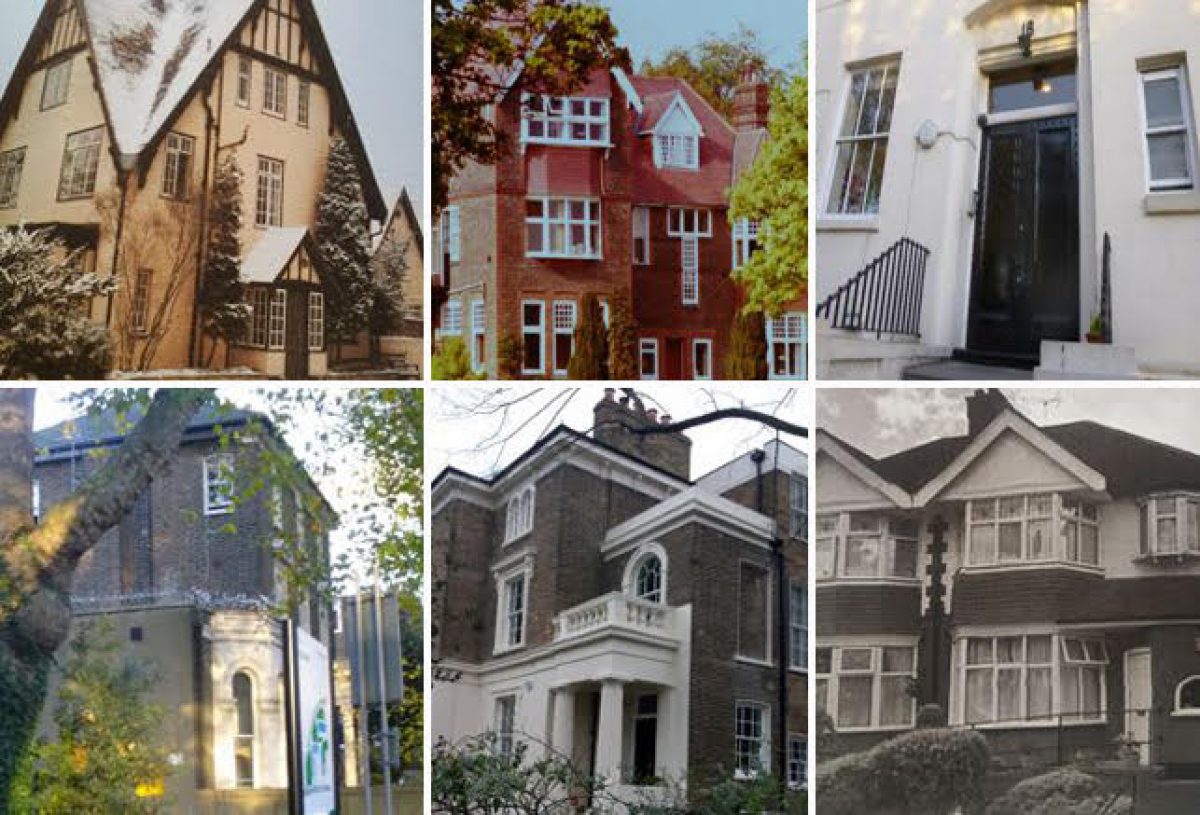
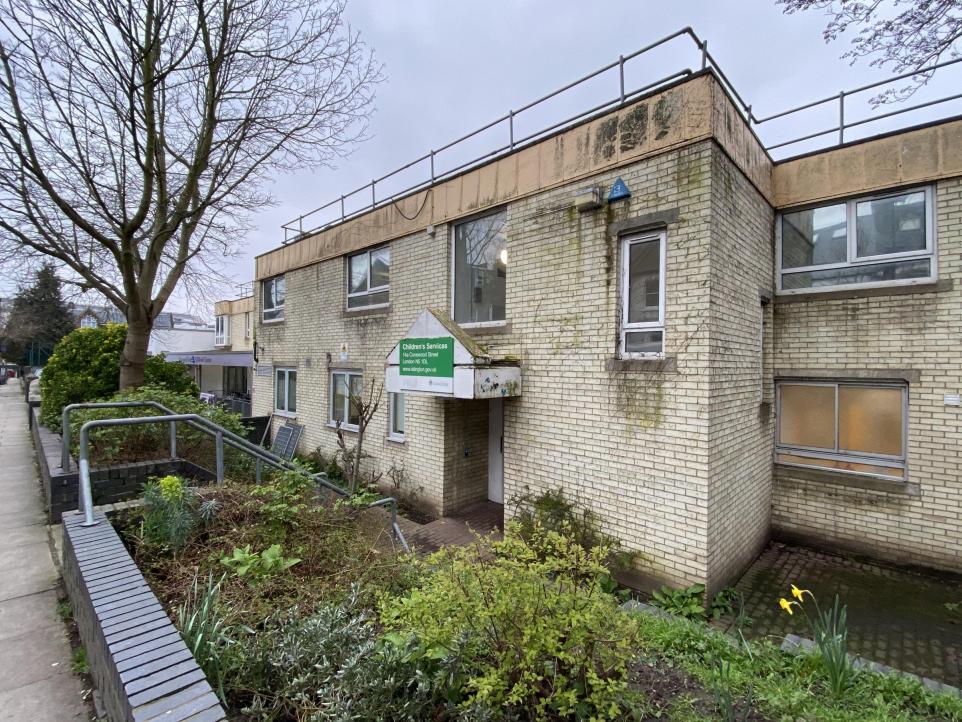
Islington Survivors Network have tried very hard in endless meetings with council officers to hold onto these Islington council services for survivors of crimes against children perpetrated in 41 Islington children’s homes from the 60s to the 90s, but the closures are definitely going ahead at the end of March. The council leader Una O’Halloran has refused our request to meet her, instead referring us to her officers in adult services. This is a battle we have not won and the services we fought so hard for, and the unique experience they gained in working with us all, must now be recorded and available for others to learn from.
Ten years of these excellent services has come to a very sudden end but we do realise that this is in the context of vast cuts across the local voluntary sector. There really was no discussion to be had, although the council did suggest ‘replacement’ services and soon realised that nothing could replace our specialist services. The council has of course broken their promise to us of providing flexible lifelong services as Sarah Morgan QC in her review (2018) said they had to be.
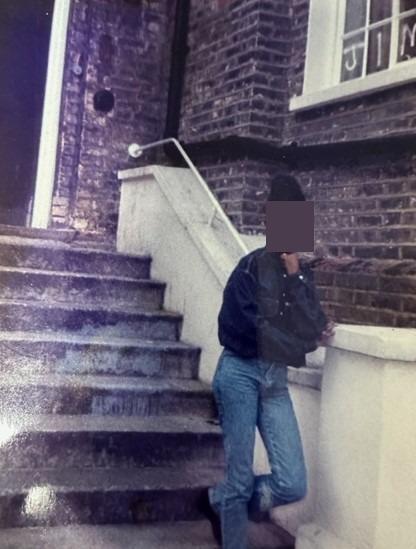
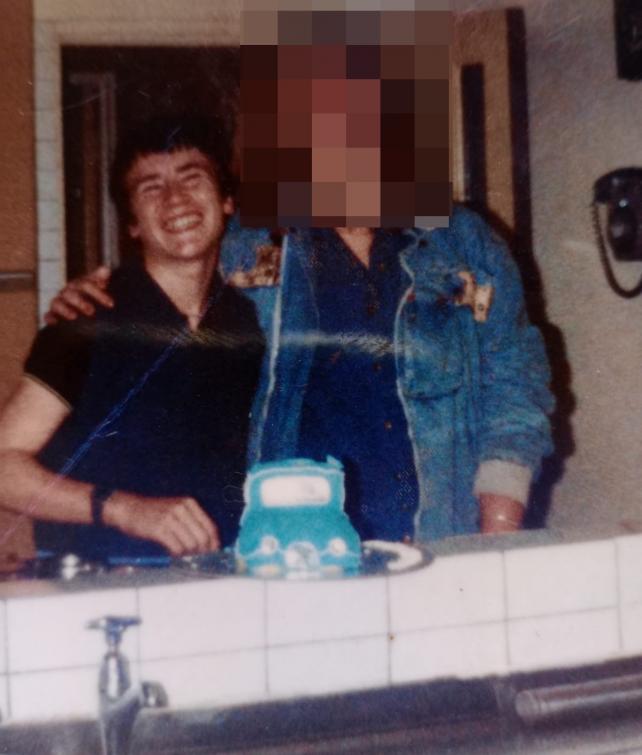
Islington Survivors Network will continue and will archive the press coverage of the campaign, the ISN website and documents such as Inquiry reports. London Metropolitan University has agreed to work with us to create an Archive accessible to the public. ISN has acquired a vast photograph archive of life in the children’s homes and will approach other archives which could manage access to this in the appropriate confidential way. Other records will remain confidential.
The University is continuing to support us by providing us with our room and we aim to keep going because survivors are still coming forward. However, we will not be able to replace the support and advocacy work of the services we are losing. ISN will continue to advocate for survivors in civil legal claims (working alongside Leigh Day solicitors) and assist with police investigations. We also intend to continue to assist survivors in accessing their childhood care files, However, the sensitive, caring system ISN set up and worked with over 10 years will no longer be in place, and once again this will be the complex, painful and difficult task that it was when we first set up. There will no longer be the Trauma service to support survivors with the issues raised for them by the file records.
The council is providing ISN with named officers for issues concerning housing and with the IMAX service ( Islington Council’s Income Maximisation team which provides support for residents on benefits). They are also linking ISN to Islington MIND – again to a named officer. When we have all the details and contact numbers we will make sure everyone is informed.
We are sad to be the bearers of this news. However, we have had 10 years of these services and also developed the Support Payment Scheme – a flat rate payment made to each survivor. As far as we know, we are the only UK survivors group which has achieved this. IICSA (Independent Inquiry into Child Sexual Abuse) made recommendations in 2022, including for a national redress scheme, but none of these have yet been implemented. This was only possible in Islington because of the determination and persistence of 800 Islington survivors who contacted ISN from when we began in 2014. Without their immense knowledge and experience none of this campaign would have happened.
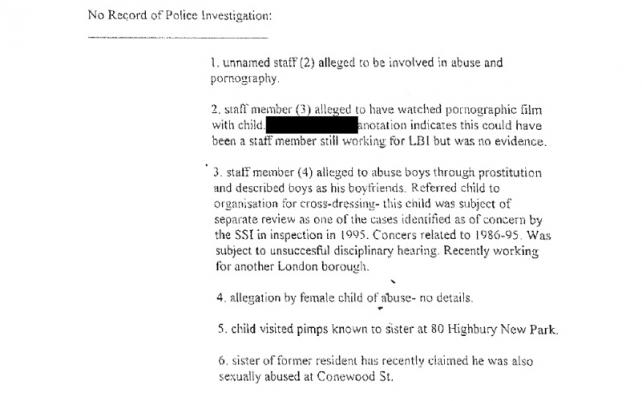
There remains outstanding work in bringing perpetrators to justice and ensuring they no longer work with children. Operation Granbury set up in 2024 as a dedicated police team, based at Holborn police station, but this has now closed. Although some of the 80 perpetrators, identified by ISN, have died, there are others alive who have still not been the subject of investigation although reports have been made about them over many years. Survivors’ evidence is a very important source of information about child abusers and statements they provide about child abuse should lead to proactive child protection investigations to make sure that children are not currently at risk of harm. Operation Granbury officers worked hard to try and get a wider and better resourced investigation set up but this was not agreed by the Met Police.
Few survivors read this website as many have no access to computers. Please do help by contacting survivors you know and letting them know what is happening. We will keep survivors informed of all developments and will be sending out a letter as well as emails when we finalise some of the new arrangements. ISN no longer has a postal address so it is best to respond by email or leave a message on 0300 302 0930 and we will call you back.
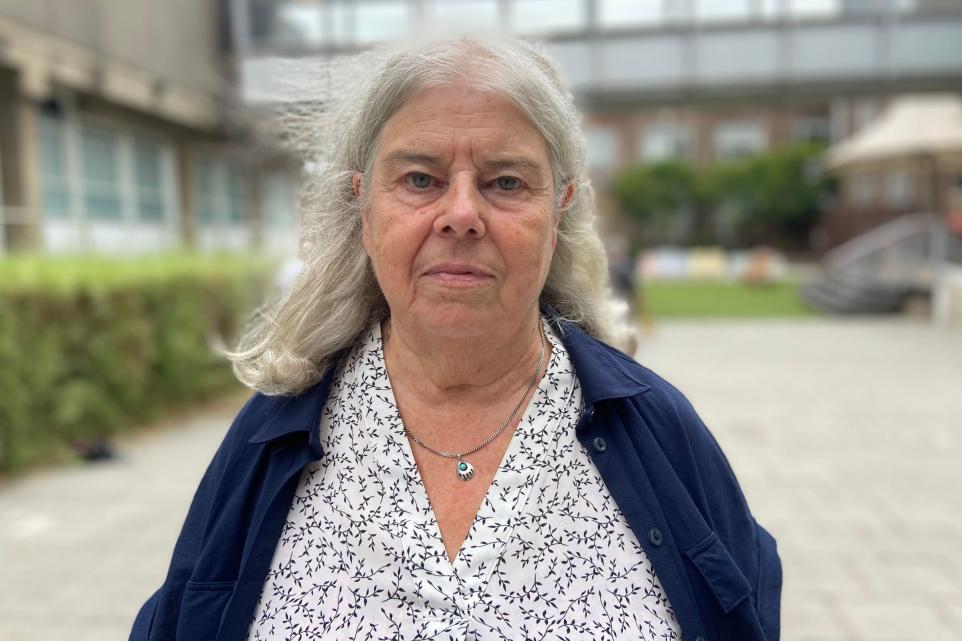
Liz and Jane – Coordinators and the Directors of ISN
islingtonsn@gmail.com

 Islington Survivors Network