Jason Swift among past tragic cases linked to Conewood site

Islington Gazette, 4th September 2024

Exclusive by Charles Thomson, Investigations Reporter

A children’s home at the centre of a new sex abuse claim was already linked to a succession of controversies and tragedies, including one kidnapping the killings of two teenage boys.

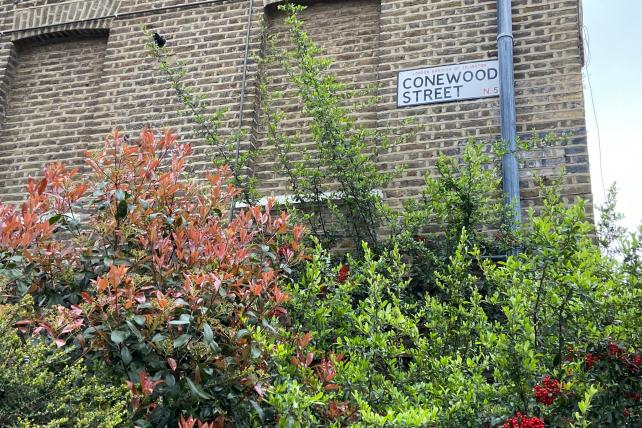
At least four people who worked at Islington Council’s former home in Conewood Street, later named Park Place, have previously been accused of abusing children, according to privileged council documents.

When another was convicted of kidnapping a child he met at the facility, a paedophile magazine sprang to his defence.

Schoolboy Jason Swift, killed by a child sex trafficking ring dubbed the Dirty Dozen, was linked to the building, as was another boy who was violently killed.

The home is now the subject of a lawsuit claiming a teenage girl was repeatedly sexually abused by strange men who entered her bedroom under the cover of darkness.

As lawyers representing the complainant urged other victims to come forward, the Islington Gazette explored the Conewood home’s murky past.

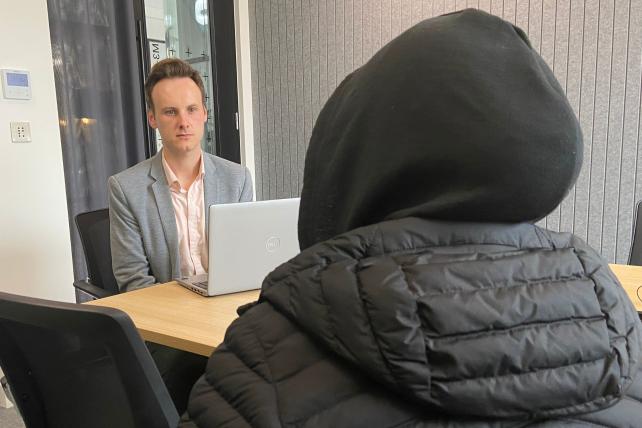
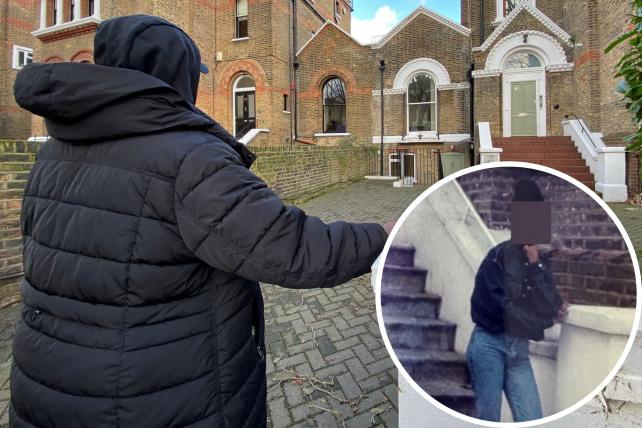
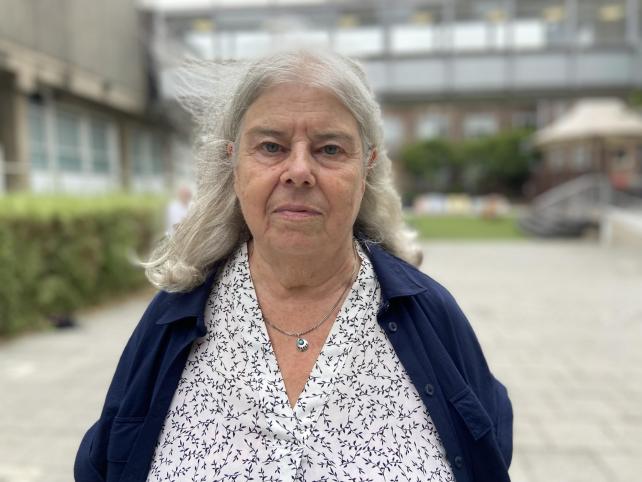
'Sally', now in her 40s, is suing Islington Council, claiming she was repeatedly sexually abused in her bed at Park Place in Conewood Street. She is seen her discussing the case with her lawyer Andrew Lord

‘Sally’, now in her 40s, is suing Islington Council, claiming she was repeatedly sexually abused in her bed at Park Place in Conewood Street. She is seen her discussing the case with her lawyer Andrew Lord (Image: Charles Thomson)

Kidnap

In 1983, social worker John Picton (now deceased) snatched a 13-year-old boy he had met at the Conewood facility.

The boy had moved to an adjoining children’s home in Elwood Street by the time Picton took him.

The homes were joined by their back gardens, so staff and children could move between them.

Picton and the boy he abducted were tracked down almost two months later in Toulouse, France.

He was brought back to the UK and prosecuted, prompting a paedophile magazine called Minor Problems to lament his plight.

In an article titled ‘Affection is not a crime’, the paedophile rights newsletter claimed to have met Picton and been convinced “of his genuine concern for his chosen ‘son’”.

He was sent to prison for six months, which the paedophile pamphlet called an “inhuman wrong”.

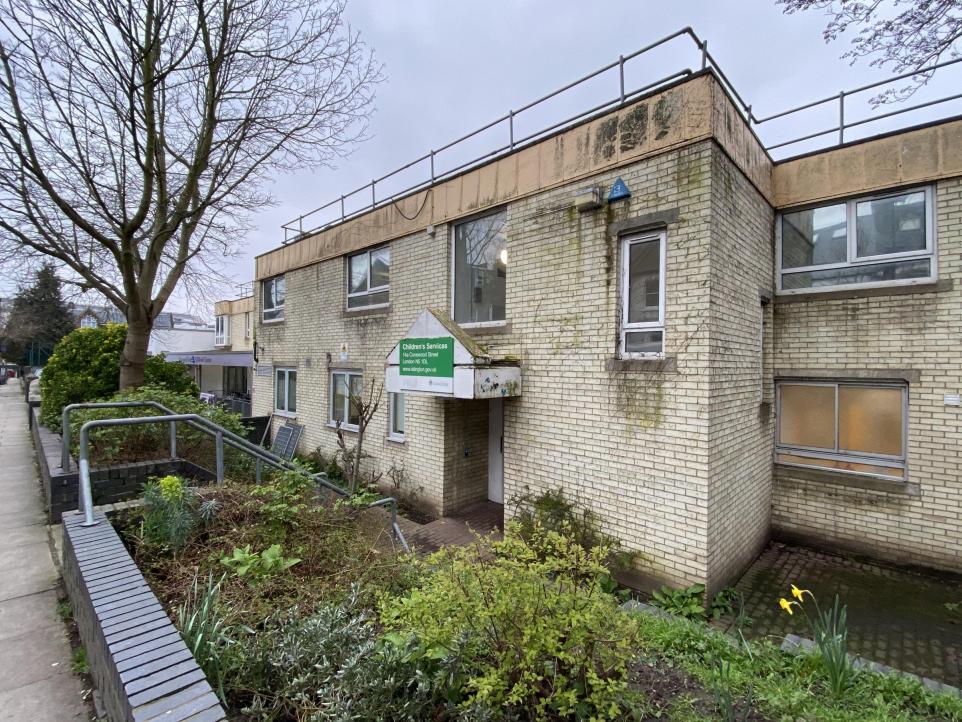
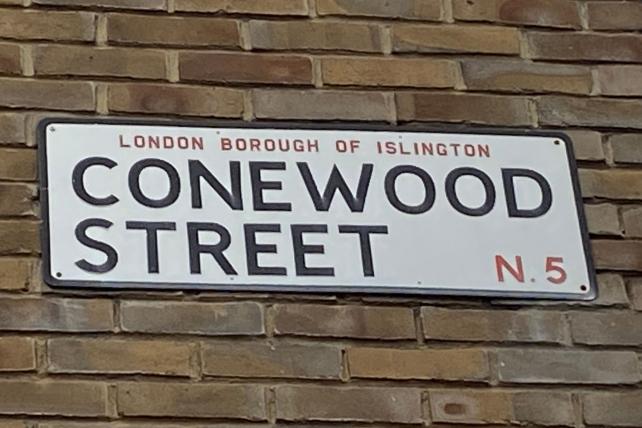
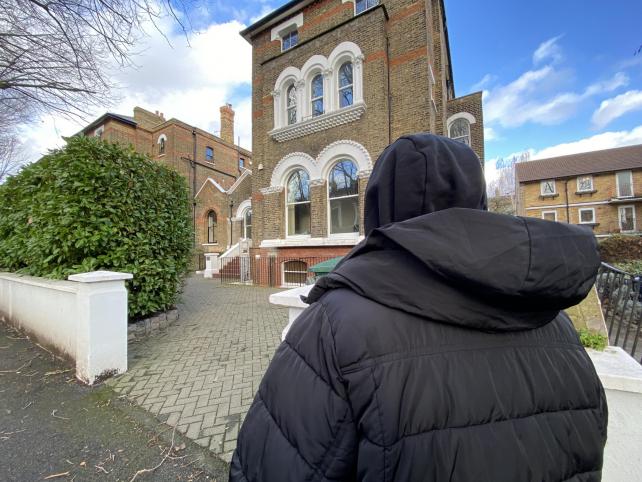
The children’s home in Conewood Street backed onto another one in Elwood Street. Both have been the subject of repeated abuse allegations (Image: Charles Thomson)

Abuse Allegations

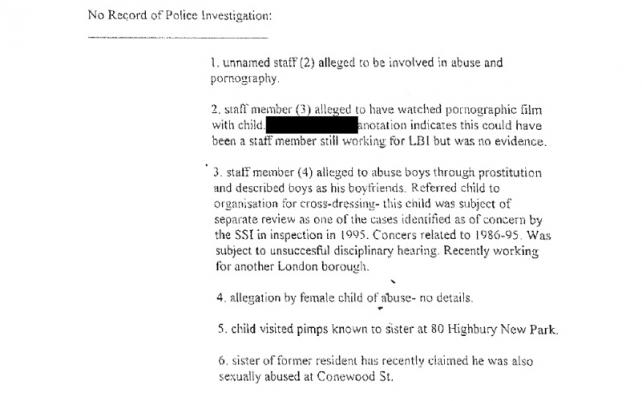
A 1999 council document revealed numerous historic abuse allegations at the Conewood home.

The document, by the council’s Child Protection and Reviews Service, was published under Freedom of Information laws at the request of Dr Liz Davies at the Islington Survivors Network (ISN).

It said two specific staff members were “alleged to be involved in abuse and pornography”.

A third was alleged to have watched a pornographic film with a child, at added.

Two girls separately reported being abused by unidentified persons at Conewood Street.

None of those allegations was dated in the file.

But a fourth identified staff member was “alleged to abuse boys through prostitution and described boys as his boyfriends” between 1986 and 1995, the report said.

After an “unsuccessful disciplinary hearing”, he went to work for another council.

As of 1999, none of these allegations had ever been investigated by police.

A 1999 Islington Council document, released under the Freedom of Information Act, detailed numerous historic abuse allegations linked to the Conewood Street home (Image: ISN)

Jason Swift

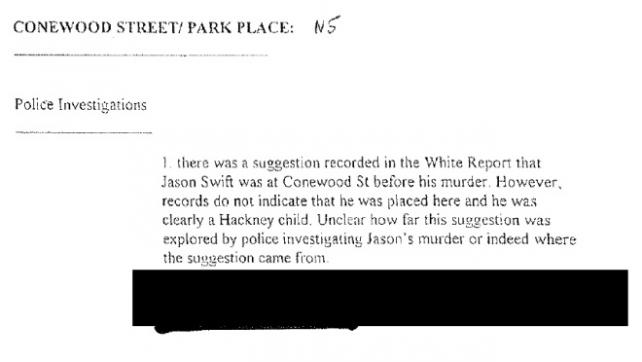
By 1999, police were aware of reports that Jason Swift had been linked to the Conewood facility not long before he died, the document continued.

Numerous staff and children have reported knowing him while he was there, said Dr Davies.

The Hackney teen was not a resident, she added, but attended an education facility there.

Jason, 14, was found in a shallow grave in Essex in November 1985.

He had died during a vicious gang rape by a paedophile gang known as the Dirty Dozen.

The tabloid press described him as a “rent boy”, despite him being a child incapable of consent.

Paedophile Sidney Cooke was convicted of manslaughter over Jason’s death in 1989, but how he first came to the attention of Cooke’s gang has never been properly established.

A 1999 document, released to Islington Survivors Network (ISN) under the Freedom of Information Act, said Jason Swift – later killed by a paedophile gang – had been linked to Conewood Street (Image: ISN)

Tony McGrane

Another Conewood boy wrongly described by tabloids as a “rent boy” also met a violent death.

Tony McGrane, 13, was found stabbed to death in a garage in Clerkenwell in October 1986.

His family denied lurid newspaper reports that he – a child incapable of consent – had been “selling sex in Soho”.

Tony’s death was one of 16 child killings investigated under Operation Stranger – the same operation that investigated Jason Swift’s death – as being potentially linked to one another.

But a 19-year-old family friend from Finsbury, called Gary Whelan, was ultimately convicted of manslaughter over Tony’s death in 1989.

A 1999 document, released years later under the Freedom of Information Act, detailed a catalogue of abuse allegations linked to the Conewood Street home, known to Islington Council but, until that point, never investigated by police (Image: Charles Thomson)

A 1999 document, released years later under the Freedom of Information Act, detailed a catalogue of abuse allegations linked to the Conewood Street home, known to Islington Council but, until that point, never investigated by police

New Allegation

In July, the Islington Gazette published a harrowing interview with a woman who says she was repeatedly sexually abused at Conewood in the 1990s.

Her lawyer Andrew Lord, at Leigh Day, has appealed for anyone with knowledge of the home at that time to make contact.

The council said it could not comment on active lawsuits.

However, it has previously admitted and apologised for decades of widespread abuse in its children’s homes, calling it “the worst chapter in this council’s history”.

Islington denies payout to woman starved in children’s home

Islington Gazette, 11th March 2024

Exclusive by Charles Thompson, Investigations Reporter

A woman who says she was starved in an children’s home has been refused a pay-out, even though details of it are recorded in the council’s own files, a victims’ organisation has said.

A woman who says she was starved in an children’s home has been refused a pay-out, even though details of it are recorded in the council’s own files, a victims’ organisation has said.

Jo – not her real name – must face an appeal panel after being turned down by the Islington Support Payment Scheme – a project set up in 2022 after Islington Council admitted decades of abuse in its children’s homes.

But the council’s own records record that she was “under-nourished” while staying in a children’s home at 14 Conewood Street, metres from the old Arsenal Stadium.

“Don’t they even read the files?” asked Dr Liz Davies, of the Islington Survivors Network (ISN).

Under the support scheme, victims can apply for £10,000 payments in recognition of physical, sexual or psychological abuse.

Jo applied in November 2022 and had to wait until October 2023 to learn she was unsuccessful. The letter said there was insufficient evidence she had been abused.

“Under-nourished”

Jo was placed in 14 Conewood Street when she began acting up and skipping school after her mother left the family home.

That she was taken into care at all, said Dr Davies, showed a failure by social services.

A psychiatrist had written in Jo’s records that her misbehaviour was “likely a reaction to the loss of her mother”, saying she should be “treated for her mourning, which could be done locally.”

Instead, said Jo: “They took me out of my own home. I was better off there. In Conewood, I was on my own. I had no friends.”

Dr Liz Davies, of the Islington Survivors Network, said Jo’s rejection was one of several in recent months which she felt was at odds with the available evidence (Image: Charles Thomson)

When she acted up even more, as a result of being institutionalised, she said she was punished by starvation and banned from having family visits.

When ISN obtained Jo’s file, a social worker had written about her “complaining of a lack of food” and described her as “under-nourished”.

“Restraint”

On other occasions, Jo said, she was punished violently: wrestled to the ground and pinned down, unable to move.  

“Nothing justified this horrific violence,” said Jo. “I was 15 and very thin.”

“Pin-down” is listed in the support payment scheme’s terms and conditions as a form of abuse which would merit payment.

“We’ve got so many other people who have made allegations about the same man,” said ISN’s Jane Frawley.

“If it happened to Jo even once, it is physical abuse. It should never be done to any child.”

When ISN obtained Jo’s files, it even made mention of her “not accepting restraint”.

“It’s all there in her social care file,” said Dr Davies.

The former Conewood Street Children’s Home has since been turned into a children’s services office (Image: Charles Thomson)

Drugged

Jo said she ran away from Conewood repeatedly due to the conditions.

As a result, Conewood staff decided – with no evidence of any social worker input in her files – to send her to a secure unit in south London, called Cumberlow Lodge.

“It was like a prison,” she recalled. “It was terrible. I was in solitary confinement a couple of times there. They called it ‘the padded room’.

“I remember watching girls coming through the gates, through the bars on my window. One had only nicked a pint of milk.”

Despite a psychiatrist recording “no sign of disturbance”, Jo was put on antipsychotic drugs.

“We had to take this little cup and they wouldn’t let us leave until they could see we had swallowed it,” she said.

Her files record that the drug was Chlorpromazine, which she said effectively knocked her out.

AAnother alleged victim, ‘Zara’, was turned down and sent to the payment scheme’s appeal panel on grounds that there was insufficient evidence she was in a children’s home. She had photos of herself inside and outside the home and witnesses placing her there, including the woman who had been her roommate (Image: Charles Thomson)

“A terrible insult”

ISN said the refusal to pay Jo was inexplicable, as other applicants who described the same types of abuse by the same Conewood staff have already received pay-outs.

“The food stuff comes up again and again,” said Jane. “So does the pin-down and not being allowed to see family.”

Jo’s is one of several recent rejections where ISN contends there is sufficient evidence, including photographs and witnesses.

“We helped design this scheme, so we know exactly what the grounds are,” said Dr Davies. “So it’s actually a terrible insult to me, professionally, quite frankly.

“I have done a lot of these people’s statements and they do meet the criteria. I know what I’m talking about.”

Jo said she will go to the appeal panel.

“I can’t just lay back and not do anything,” she said. “I want some kind of justice.”

Islington Council said it does not comment on specific cases. It does not consider those turned down for payment as having been rejected until after the appeal panel has heard the case.

The support payment scheme remains open for applications until May. For more, visit www.islingtonsupportpayment.co.uk.

ISN can be reached at 0300 302 0930 or islingtonsn@gmail.com.

Islington Council: Concerns over abuse scheme appeal panel

Islington Gazette, 5th March 2024

Exclusive by Charles Thomson, Investigations Reporter

Dr Liz Davies, from the Islington Survivors Network (ISN), said she felt let down by the council. She claims ISN was meant to help compile the appeal panel – but then the council did it without them and now won’t even tell ISN who is on it.

Women who say they were sexually abused in Islington Council’s care have had their case files forwarded to a mysterious panel who will decide whether they are entitled to payouts.

Alleged victims previously turned down were last week given ten days to decide whether or not to argue their cases before an appeal panel, without being told who will be on it.

In the meantime, their personal information has already been shared with the unnamed strangers.

Applicants to Islington’s ‘Support Payment Scheme’ are automatically referred to the panel if lawyers initially turn them down.

But expert Dr Liz Davies said the council had so far refused to say who is on the appeal panel or give survivors any opportunity to vet them.

“In Lambeth, survivors and their representatives had the chance to review the list of panel members and do their own due diligence,” said Dr Davies, of the Islington Survivors Network (ISN).

“As it turned out, it was a very good list and they were happy. But they at least had the opportunity to review it.”

In 2017, Islington Council apologised for decades of violent, sexual and emotional abuse in its former children’s homes.

Allegations from hundreds of former looked-after children include staff assaulting children; giving them booze, drugs and cigarettes; facilitating paedophile parties; and forcing teens to abort babies.

The council gave a special apology in 2017 to Dr Davies, a whistleblowing former Islington social worker who had spent decades campaigning for justice for the victims.

In consultation with her organisation ISN, it then created the Support Payment Scheme, offering £10,000 pay-outs to survivors of abuse.

The council insists the sums are referred to as support payments, not compensation, and says payment under the scheme is not an admission of liability.

So far more than 300 applications have been received, of which 270 have resulted in payouts.

But Dr Davies said that in recent months there had been a spate of rejections, most of which are not reasonable in her opinion.

The Gazette has reported on people being rejected even though witnesses and photos place them in the homes, and others have been paid out after alleging similar abuse by the same staff.

‘Zara’ was referred to the appeal panel after lawyers said there was insufficient evidence she was in a children’s home – despite having witnesses and photos that put her there (Image: Charles Thomson)

Seven people were rejected in one day in early October, said Dr Davies. Each received an email saying the council would be in touch with further information “shortly”.

But they received no further communication until last week, after the Gazette asked why they had been left waiting for over four months.

“Last week, 10 people whose applications were automatically referred to the independent appeals panel were contacted by email and provided with further details about their individual appeal hearings,” a spokesperson said.

The council confirmed that the appeal panel had now been appointed but did not say who was on it or whether survivors would have the chance to vet them.

It said the appointees “all have relevant backgrounds and experience”.

But Dr Davies said ISN had been frozen out of the selection process.

“We were led to believe that we would be interviewing people for the panel,” she alleged.

“That was what we were told when we were planning it. We were also told there would be someone from a survivors’ group.”

The council said its appointees’ relevant experience included having been in care themselves; social work experience; legal backgrounds; and prior experience on panels considering historic abuse claims.

“One word that is missing there is ‘survivors’,” said Dr Davies.

“People who have been in care are completely different to survivors of abuse in care.”

Islington Council said the appeal process was “entirely voluntary”, with applicants able to decide whether to attend, whether to provide further evidence or argument and whether to “bring someone along for support”.

But, said Dr Davies: “They still haven’t told us if we can advocate, as opposed to support. Can we advocate in someone’s absence, which is really important? One woman is in hospital, for example.”

A council spokesperson said the panel was “independent”, with council staff prevented from applying to sit on it.

“The council has no influence or control over the decisions it makes,” it said.

Islington: Man says he was abused in Northampton Park home

Islington Gazette, 23rd February 2024

Exclusive by Charles Thomson, Investigations Reporter

‘Max’ says he was placed in Northampton Park children’s home, Canonbury – but Islington Council appears to have lost his care file (Image: Charles Thomson)

A man calling for support after he was left addicted to drugs after years of abuse in children’s homes found his care records had been lost.

Max – not his real name – says he was placed in two Islington Council children’s homes in the 1990s, where children and staff used drugs and he lived in fear of sexual assault.

But when he applied for his care records to support his bid for a £10,000 payout, the council could not find them.

“This is potentially very serious,” said Dr Liz Davies, of the Islington Survivors Network (ISN).

Councils are supposed to keep the records of looked after children for 75 years.

Dr Davies said she had referred several people with missing or incomplete files to a lawyer to see whether a legal action could be brought.

Islington Council would not comment on Max’s case, but said applicants to the support scheme did not necessarily need their care records.

However, Dr Davies said other applicants whose records were missing or incomplete had been turned down.

‘Children smoked crack’

Max said he was taken into care in 1993 and placed in the former Northampton Park children’s home, near Canonbury station.

He said some staff there openly smoked cannabis and permitted children in their care to smoke cigarettes and other substances.

He was given hashish, he alleged, and witnessed other children using crack cocaine.

The former children’s home at Northampton Park, near Canonbury station, is now private residential building (Image: Charles Thomson)

He was neglected, he claimed, with nobody noticing conditions he was later diagnosed with disorders like dyslexia and ADHD, which impacted his education. He left school with no qualifications.

The home was also rife with rumours of sexual abuse, he said.

“Other kids told me something bad was happening in the home,” said Max. “They said to keep away from certain people.”

At night, he claims, he would put furniture against his door and was frightened to go to sleep.

Heroin addiction

Max said he was later moved to another children’s home and got no help finding accommodation after turning 18.

His adulthood has been marred by heroin addition, which sabotaged his career in IT, and failed relationships. At one point, he lived in a hostel.

Only now he is clean and sober has he joined the dots between his childhood trauma and his destructive drug use.

“I was trying to forget,” he said.

Max, now in his 40s, still lives in north London – but has had a chaotic adulthood, marred by heroin addiction and depression. He is now clean and sober, and wants Islington Council to offer redress for the impact of his alleged childhood abuse (Image: Charles Thomson)

He now has constant pain in the left side of his body, which he believes is linked to his past heroin use.

He also has depression – not helped, he said, by living in a rented studio flat so dilapidated that he can’t use his own bathroom. He has to visit a relative daily to use theirs.

He is on the council’s bidding list for a one-bedroom flat, but several thousand places from the top.

Missing file

After admitting and apologising for decades of abuse in its former children’s homes, Islington Council set up the Support Payment Scheme, offering £10,000 to survivors.

Dr Davies helps survivors obtain their care records and file applications.

The Arrangements for Placement of Children Regulations 1991 say case files should be kept until the looked-after child’s 75th birthday – but Max’s cannot be found.

“It’s important to note that we do not require a care file to be supplied as part of an application for the support payment scheme,” a council spokesperson said.

“We don’t want potential applicants to be dissuaded from applying.”

But Dr Davies said some previous applicants have been rejected under similar circumstances.

Max returned to the former children’s home with the Islington Gazette. He said the £10,000 support payment would help get his life back on track (Image: Charles Thomson)

In January, the Gazette reported on Zara, also not her real name, who was rejected after receiving an incomplete care file.

Like Zara, Dr Davies said Max’s memories – the names of staff and children at Northampton Park, and his descriptions of what happened there – are corroborated by other survivors.

But Zara was still turned down and told to apply to an appeal panel if she wanted to pursue payment.

The same happened to another applicant, Tony Darke, even with a care file.

Whistleblowing former Islington social worker Liz Davies said she had referred the cases of several people with missing files to a lawyer, to see whether legal action could be mounted over the apparent legal breaches (Image: Charles Thomson)

Max’s Dream

If Max received the £10,000, he said, he would first book some private therapy – something he started once before but could not really afford.

“If you want it on the NHS you have to wait forever and you might die before you ever get treated,” he said.

He says he would then invest in some IT training to try to get his career back on track.

“I think the main thing I need is to find a nine-to-five job,” he said. 

“The payment would definitely improve some things in my life. It’s not something that would go to waste.”

Once he is back on his feet, he said, he would like to help other recovering addicts get their lives back on track.

The payment scheme is open to applications until May. Visit www.islingtonsupportpayment.co.uk.

Islington Survivors Network can be reached at 0300 302 0930 or islingtonsn@gmail.com.

Islington Council child abuse scheme faces fresh criticism

Islington Gazette, 15th February 2024

Exclusive by Charles Thomson, Investigations Reporter

Tony Darke, 55, says he applied to Islington Council’s Support Payment Scheme after suffering years of cruel and violent abuse in children’s homes – but has been told he will receive no pay-out unless he wins over an appeal panel (Image: Tony Darke)

A man forced to recount years of painful and humiliating abuse says he feels “kicked in the teeth” after his account was not believed.

Tony Darke has been rejected by Islington Council’s support scheme for abuse victims, despite his account being corroborated by others.

The 55-year-old lived in three children’s homes in the early 1980s, where he says he suffered neglect and “very violent” abuse.

But he says he has been refused financial help on grounds that there is insufficient evidence.

“You spill your guts out, remembering all this stuff you don’t want to remember, revealing all these intimate details, and it’s like you get kicked in the teeth in return,” he said.

Initial applications to the Islington Support Payment Scheme are done in writing – but Tony must now face an appeal panel.

“Now I’ve got to relive the whole thing again, but this time to a load of strangers,” he added.

The council told him months ago that it contact him soon with details – but he said he had heard nothing since.

It is the second time this year that the Islington Gazette has reported on applicants being rejected despite what the Islington Survivors Network (ISN) says is compelling corroboration.

Islington Council said it would not comment on individual cases.

A photo of Tony with one of the friendlier staff members inside one of the homes (Image: Tony Darke)

 ‘A knee in the back’

Tony was placed in care, aged 13, when his mother was deemed not to be coping.

He lived in homes in Conewood Street and Highbury Crescent, then Gisburn House in Hertfordshire.

The violent abuse started at Conewood, he alleged, with what he called “pin-downs”.

“It could be anything that triggered it,” he said. “They didn’t really need a reason. You might just swear, or say something they didn’t agree with.

“Everyone plays up sometimes – we were kids! It might be something like, it’s bedtime and you don’t want to go to bed.

“Two or three of them would basically jump you, wrestle you to the ground and hold you down by your legs, your shoulders, so you literally couldn’t move. It hurt. You’d have a knee in your back or  chest. It was a lot of pressure.

“They only let you up when they decided. They lifted you up with your arms behind your back and took you off to your room.”

Sometimes, said Tony, he was grabbed by the throat.

Others were treated even worse, he claimed. He recalled one child who staff taunted constantly, then attacked if they reacted.

One of the few photos Tony Darke has of himself during his years in Islington Council’s care (Image: Tony Darke)

Self-harm

At Gisburne House, Tony alleged, staff gave cigarettes to children as a means of control.

“Most of the kids in there smoked,” he said.

He said some staff at Gisburne were cruel.

“If you misbehaved you would go without dinner, or get a cold dinner. Or they banned you from going home at weekends to your family,” he claimed.

Staff drove children into the woods in the middle of the night in a Transit van and dumped them there, he said. They were split up and told to find their own way home in the dark.

Files show that by the end of Tony’s time in care, he was “beset by anxiety”, with “no confidence and low self-esteem”, and was self-harming.

One a camping trip, files record that he stuck his feet in the campfire. He bit his fingers until they bled, punched walls and scratched his arms.

He was deemed a potential suicide risk and described as very thin. He was caught shoplifting items to sell so he could buy food.

Dr Liz Davies claimed the Islington Support Payment Scheme was making ‘inconsistent’ decisions, with with some applicants rejected despite having no less proof than others who were approved (Image: Charles Thomson)

 “Ridiculous”

After admitting and apologising for decades of abuse in children’s homes, Islington Council’s Support Payment Scheme opened in 2022, offering £10,000 pay-outs to victims.

Tony applied last spring but received a letter on October 12 – his 55th birthday – saying he would receive no payment due to insufficient evidence. It said he could appeal.

The networl’s Dr Liz Davies described the decision as “ridiculous” and “inconsistent”.

“Tony has no less evidence than others who’ve received payments,” she said.

“Others have described the same sorts of abuse in the same homes, naming the same staff. Lots from Gisburn, for example, describe the night runs in the woods.

“Files prove Tony was in the homes. He names other children who were in the homes with him, some of whom I know have already successfully applied.”

Islington Council said all applications were “treated equally and carefully assessed”, adding: “We do not regard an application as having been ‘rejected’ when in fact it has been referred to the independent appeals panel for further consideration.”

The payment scheme is open to applications until May. Visit www.islingtonsupportpayment.co.uk.

Islington Survivors Network can be reached at 0300 302 0930 or islingtonsn@gmail.com.

Islington Council refuses claim under abuse payment scheme

Islington Gazette, 22nd January 2024

Exclusive by Charles Thomson, Investigations Reporter

Zara – not her real name – says she was abused in this former children’s home – and even has a photograph of herself standing outside. But Islington Council has refused her a payout, saying there is no evidence she was ever there (Image: Charles Thomson)

Islington Council has refused to pay an alleged abuse survivor, claiming there is no evidence she was in one of its children’s homes – even though she has photos and witnesses.

The woman, now in her 50s, says she was neglected in two Islington children’s homes in the 1980s, where children smoked, drank and used drugs with staff members’ knowledge.

When she fell pregnant on their watch, she says the staff then tried to force her to get an abortion.

But when she applied to the Islington Support Payment Scheme, set up to help survivors of widespread abuse in the borough’s children’s homes, the council said there was insufficient evidence Zara – not her real name – had been in their care  

Dr Liz Davies, a whistleblowing former Islington social worker whose decades of campaigning led to the fund’s creation, blasted the “ridiculous” decision. 

Dr Davies, founder of the Islington Survivors Network (ISN), said she help Zara compile and submit her application, which included photos of her inside one children’s home with staff and other residents.

A witness has also told the Islington Gazette that she was Zara’s roommate in one of the children’s homes and had already informed the scheme of this before Zara was rejected.

“It’s unbelievable,” said Annabelle, whose name has also been changed. “She was there. I mentioned her on two different occasions. I mentioned in my application the things we would get up to and how Zara would protect me.

“It’s just crazy. There are other people who know her and know she was there too.”

Annabelle said she was with Zara in two children’s homes: 11-12 Highbury Crescent, then 80 Highbury New Park.

Islington Council would not comment on Zara’s case.

Zara said the stress and upset of having her application refused had left her unable to sleep (Image: Charles Thomson)

Islington Gazette: Zara said the stress and upset of having her application refused had left her unable to sleep

“We are having to spill out all our traumas, only for them to reject us,” said Zara.  

“I had a panic attack and hyperventilated when I found out. It’s traumatising to be subjected to all this – to go back over what’s happened to you, only for them to slap you in the face and still keep insulting you time and time again. It’s upsetting.

“All of this has brought back memories for me. It’s very emotionally draining. I’m waiting for a doctor’s appointment because I’m not sleeping properly. Sometimes I’m sitting in my house and I get very tearful because it’s all resurfacing.

“The most hurtful part is that the proof is all in there. I included photos. They’ve clearly not even looked at my application.”

Dr Davies helped Zara apply for her council records before applying to the scheme, but when they were supplied, said Zara, the contents were “almost completely missing”.

“I was in the homes for four years and my file was about four pages,” she said.

“There was no mention of her being in the children’s homes in her file,” said Dr Davies. “So I knew I really had to prove it.

“I attached photos of her in her room, with the manager, nursing her newborn baby with other residents and even standing outside the front door with the number 80 on it.”

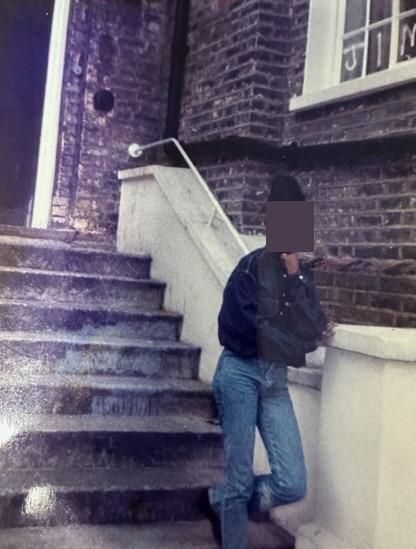
This photograph shows Zara stood outside 80 Highbury New Park, said Dr Liz Davies, and is part of a collection of photos she has of herself at the home, including posing with staff (Image: ISN)

Islington Gazette: This photograph shows Zara stood outside 80 Highbury New Park, said Dr Liz Davies, and is part of a collection of photos she has of herself at the home, including posing with staff

But in December, Zara was told her application had been rejected.

“I wrote to the lawyers straight away and said, ‘There must be a mistake here, I sent you all the photographs’,” said Dr Davies.

“Then I remembered another survivor had mentioned Zara in her own statement and already been paid out.

“So this is a failure on their part, in my view. But instead of pulling back and apologising, they said, ‘We know it’s disappointing but she will soon hear from the appeal panel’.”

“It’s not about the money,” said Zara. “It’s about getting justice for things that people feel like they’ve gotten away with.”

Dr Liz Davies, of the Islington Survivors Network (ISN), helped Zara submit her application and has condemned its rejection (Image: Charles Thomson)

Zara, who was in the homes in the 1980s, said she was still dealing with the consequences.

“It was mainly neglect,” she alleged. “We were left on our own. When you were in a predicament, there was no one there for you.

“Kids would be smoking, drinking, taking drugs. I was afraid of taking drugs so I didn’t do it, but used to drink alcohol. The staff would see us and do nothing. They’d even take us to the pub.

“At the time it seemed great, but it wasn’t. I’m grown now but I still have issues in my life because I didn’t get the guidance I needed when I was young.”

Left to her own devices by the staff, said Zara, she fell pregnant as a teenager.

“They tried to force me to have a termination,” she claimed. “I wanted to have my child but they keep taking me to a clinic in Euston, even though I didn’t want to go.

“I think maybe they wanted me to have a termination because I fell pregnant in their care. It was evidence of their neglect.”

Zara said she would fight against Islington Council’s decision for herself and others (Image: Charles Thomson)

Islington Gazette: Zara said she would fight against Islington Council's decision for herself and othersZara said she would fight against Islington Council’s decision for herself and others (Image: Charles Thomson)

Zara said she would fight against her rejection to inspire others to do the same.

“It’s not right and it’s not fair,” she said. “I don’t see why they should get away with it..

“I’ve always been the one that’s quiet and just expected to take everything on the chin, but I’m not doing that. This life has taught me to be strong.

“There are other people out there far worse off than me and if this is how they’re going to treat them too, it’s not right.”

Islington Council sent a lengthy statement but it did not address Zara’s case. It reiterated the council’s apology for past abuse in its children’s homes and said its support scheme remained open to applications. 

Contact: Islingtonsn@gmail.com for assistance in claiming the Support Payment: Call voicemail 0300 302 0930 @theIslingtonSN

‘Night run’ care home abuse survivors encouraged to help with investigation

Trips involved children being taken to various forests

Islington Tribune, 23rd July 2023

By Izzy Rowley

Dr Liz Davies

AN appeal for abuse survivors who remember “night runs” has been launched.

The Islington Survivors Network (ISN) has called for any survivors of the borough’s care home abuse scandal who remember “night runs”, which took place during the 1970s and 80s, to come forward.

These trips involved children being taken from their care homes and brought to various forests.

The exact purpose of these trips is unclear, but survivors are certain that the night runs were not recreational or fun, with one reporting to ISN that they were “touched inappropriately and sexually by staff who came with us” while being taken horse riding in Epping Forest.

One man, who does not wish to be named, recalled being “frightened and petrified” on a night run when he was about five years old.

He told the Tribune: “To give you a picture, there was a lot of abuse going on in the home – physical, mental, psychological abuse.

“I remember about three trips altogether. We were taken in a van to Epping Forest. I don’t think the people that took us worked in the care home, but whoever they were, they must have had the authority to take us.

“It was daylight when we left, but it was dark when we arrived there. I recently spoke to someone else who was in the same care home and he said he remembered holding my hand the whole time, he wouldn’t let go of it. There were lots of posh cars lined up – it all seemed very organised.”

He added: “I remember being told to shut up and say nothing on the return to the home.”

He said that an investigation into these runs would be a step towards justice for him and other survivors like him. “I would definitely encourage as many people as possible [to come forward]. I think the more that come forward, the more likely it is that it’s going to make any kind of investigation into it that bit easier,” he said.

Survivors from care homes in Highbury Crescent, Grosvenor Avenue, Conewood Street, Elwood Street, Gisburne House, and Copthorne have reported experiencing these runs.

Different forests were visited including Epping Forest, Cassiobury Park, Thetford Forest and the Norfolk Broads.

According to ISN, many of these children were abandoned in the middle of the forest and left to make their own way back to a campsite or a vehicle they were transported there in. Some survivors report fewer children coming back from these runs than went out on them.

Dr Liz Davies, founder of Islington Survivors Network, said: “This is so serious and we hope there will be an investigation from the police and Islington Council.

“This needs to be investigated because it’s a recurring theme from so many survivors from so many different homes.”

An Islington Council spokesperson said: “We strongly support prosecution of any people involved in abuse, and it’s vital for anyone with new information about non-recent abuse to contact police, so allegations or evidence of abuse can be fully investigated.”

After being contacted on Wednesday the Metropolitan Police did not respond in time to give a comment.

• Anyone who has experienced abuse of this kind can report it directly to the police by calling 101 or visiting www.met.police.uk/ro/ocr/how-to-report-a-crime or contact Islington Survivors Network at islingtonsn@gmail.com who will facilitate a report.

No way to report historic Islington child abuse to Met Police

EXCLUSIVE Islington Gazette: 2nd March 2023

Exclusive by Charles Thomson Investigations Reporter

No way to report historic Islington child abuse to Met Police

Dr Liz Davies, from the Islington Survivors Network (ISN), said victims victims were struggling to report their abuse to the Met Police (Image: Ken Mears)

The Met Police’s failure to investigate historic child abuse in Islington could lead to vigilante attacks on abusers, a former council whistleblower has warned. 

A support group for survivors has received intelligence on paedophiles who are still alive and may pose a continuing risk, but says it is struggling to report the information to police. 

Dr Liz Davies founded the Islington Survivors Network (ISN) and has helped compile more than 130 applications to a council “support payment scheme”. 

READ MORE:

But she said those trying to report their abuse wanted to see the culprits face justice but were being obstructed by bureaucracy. 

“It will get to a point where if nobody does anything, there are a lot of ex-prisoners in ISN who would stop at nothing,” she said.  

“I don’t want that to happen. That’s not how it should be.” 

No police liaison 

Dr Davies blew the whistle on widespread abuse in Islington’s children’s homes in the early 1990s, while working as a social worker. 

Now an emeritus professor at the London Metropolitan University, she uses her office to help people apply to the council’s payment scheme for victims. 

The Gazette reported last week that intelligence was “pouring out”, with multiple complainants describing similar abuse by the same perpetrators. 

READ MORE:

But, said Dr Davies, her repeated calls for a designated liaison officer to act on the intelligence have gone unheeded. 

She is supported by Islington Council. 

“We strongly support the Met having a single point of contact for abuse allegations relating to Islington’s children’s homes and we are writing to the borough commander in support of this,” a spokesperson said. 

“We strongly expect the Metropolitan Police to fully investigate any new allegations of abuse and to allocate appropriate resources to investigate.” 

Trouble reporting 

“We currently have no police to be in contact with on this at all,” said Dr Davies. 

“Since ISN started, we’ve been put with five different police teams and they’ve all folded up. We were tossed around.” 

She said the latest advice from police had been to call 101 or go to a police station. 

But, she claimed, “I tested 101 with some referrals and it was hopeless. 

“One went to Islington police station and got the same response – that they didn’t have anybody to take a statement. 

“He was devastated as he had taken ages to get the courage to report this crime. 

“He then rang the Islington child protection team. He phoned from my room here and I heard it.” 

Dr Davies said the officer simply replied by expressing his annoyance that he had been contacted directly and asked where the complainant had got his details. 

“We had been given his name by the former team that had just closed down,” said Dr Davies. 

But in light of the officer’s response, the complainant decided not to engage with the police any further. 

Abusers are still alive 

“When the payment scheme started, I was well aware that everybody’s statements would be naming abusers, because that’s part of the scheme,” said Dr Davies. 

The 16-page form applicants are asked to fill out includes a section asking for the names of any abusers. 

Dr Davies said her own research had shown some of the abusers being named were still alive and traceable. 

“We need a liaison officer to have strategy meetings on current risk to children that may be posed,” she said. “It’s basic child protection procedure.” 

The Met did not respond to Dr Davies and Islington Council’s request for a dedicated liaison officer. 

It said complainants should call 101 or report their abuse online. 

“Your information will be passed to a specialist team who will work with you and support you” the force said. 

“You will then receive a single point of contact throughout the investigation. 

“We take all reports of abuse, recent or non-recent, extremely seriously. 

“Specially trained officers will support victim-survivors and we will work to seek justice for them wherever possible.” 

  • ISN can be reached on 0300 302 0930 or by emailing islingtonsn@gmail.com. 

Please help to promote the Council Support Payment Scheme and inform survivors about how to apply. Help distribute our leaflet.

Contact Islington Survivors Network if you want leaflets to distribute. We especially want to cover Islington but also Hertfordshire, Essex and Enfield where some of the 41 children’s homes were. We can post them to you or arrange for you to collect them from our office in Holloway Road.

As yet the council has hardly promoted the scheme at all. We had agreed a plan with the Council Communications Team but this has not been implemented. Please put the leaflets on noticeboards – GP surgeries, hospitals, libraries, supermarkets, cafes, shops, foodbanks, voluntary organisations – wherever you think survivors of abuse will see them. THANK YOU!!! We depend on you to help spread the news of this Scheme. We have already assisted over 180 survivors to make an application and 130 have received the payment. None have been refused. The Scheme will only be in place until May 2024 and the process can take 3-6 months so please help to let survivors know about this as soon as you can. If you have any questions about this please call us 0300 302 0930. This is a voicemail service linked to our email and we will get back to you.