Islington Gazette, 5th March 2024
Exclusive by Charles Thomson, Investigations Reporter

Women who say they were sexually abused in Islington Council’s care have had their case files forwarded to a mysterious panel who will decide whether they are entitled to payouts.
Alleged victims previously turned down were last week given ten days to decide whether or not to argue their cases before an appeal panel, without being told who will be on it.
In the meantime, their personal information has already been shared with the unnamed strangers.
Applicants to Islington’s ‘Support Payment Scheme’ are automatically referred to the panel if lawyers initially turn them down.
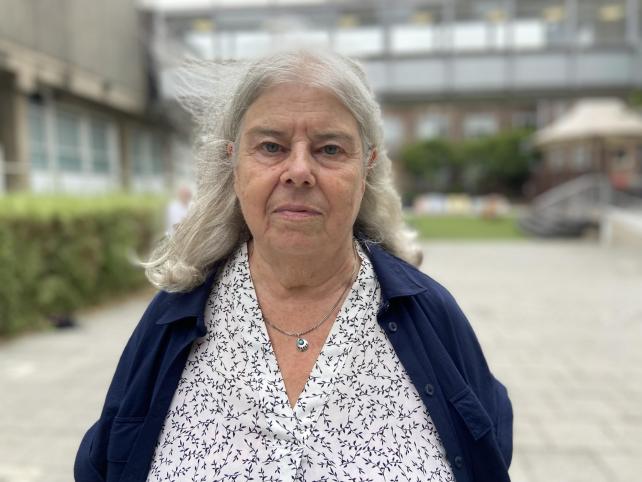
But expert Dr Liz Davies said the council had so far refused to say who is on the appeal panel or give survivors any opportunity to vet them.
“In Lambeth, survivors and their representatives had the chance to review the list of panel members and do their own due diligence,” said Dr Davies, of the Islington Survivors Network (ISN).
“As it turned out, it was a very good list and they were happy. But they at least had the opportunity to review it.”
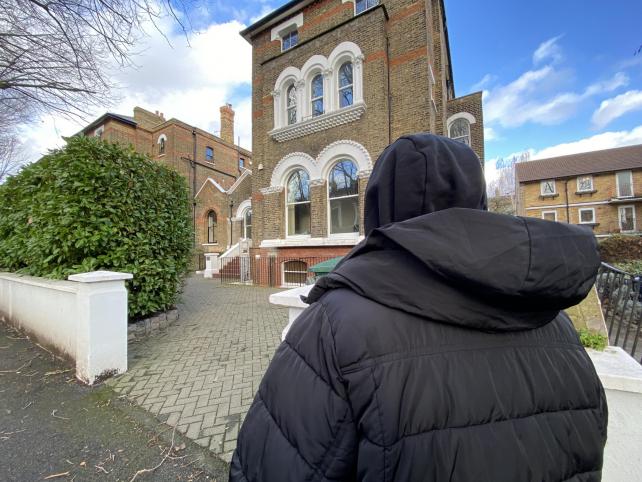
In 2017, Islington Council apologised for decades of violent, sexual and emotional abuse in its former children’s homes.
Allegations from hundreds of former looked-after children include staff assaulting children; giving them booze, drugs and cigarettes; facilitating paedophile parties; and forcing teens to abort babies.
The council gave a special apology in 2017 to Dr Davies, a whistleblowing former Islington social worker who had spent decades campaigning for justice for the victims.
In consultation with her organisation ISN, it then created the Support Payment Scheme, offering £10,000 pay-outs to survivors of abuse.
The council insists the sums are referred to as support payments, not compensation, and says payment under the scheme is not an admission of liability.
So far more than 300 applications have been received, of which 270 have resulted in payouts.
But Dr Davies said that in recent months there had been a spate of rejections, most of which are not reasonable in her opinion.
The Gazette has reported on people being rejected even though witnesses and photos place them in the homes, and others have been paid out after alleging similar abuse by the same staff.
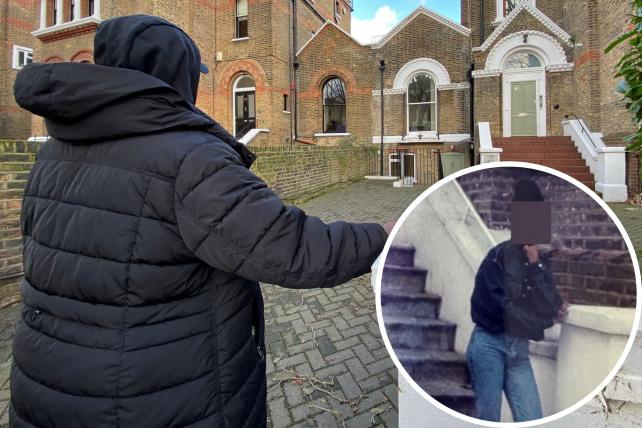
Seven people were rejected in one day in early October, said Dr Davies. Each received an email saying the council would be in touch with further information “shortly”.
But they received no further communication until last week, after the Gazette asked why they had been left waiting for over four months.
“Last week, 10 people whose applications were automatically referred to the independent appeals panel were contacted by email and provided with further details about their individual appeal hearings,” a spokesperson said.
The council confirmed that the appeal panel had now been appointed but did not say who was on it or whether survivors would have the chance to vet them.
It said the appointees “all have relevant backgrounds and experience”.
But Dr Davies said ISN had been frozen out of the selection process.
“We were led to believe that we would be interviewing people for the panel,” she alleged.
“That was what we were told when we were planning it. We were also told there would be someone from a survivors’ group.”
The council said its appointees’ relevant experience included having been in care themselves; social work experience; legal backgrounds; and prior experience on panels considering historic abuse claims.
“One word that is missing there is ‘survivors’,” said Dr Davies.
“People who have been in care are completely different to survivors of abuse in care.”
Islington Council said the appeal process was “entirely voluntary”, with applicants able to decide whether to attend, whether to provide further evidence or argument and whether to “bring someone along for support”.
But, said Dr Davies: “They still haven’t told us if we can advocate, as opposed to support. Can we advocate in someone’s absence, which is really important? One woman is in hospital, for example.”
A council spokesperson said the panel was “independent”, with council staff prevented from applying to sit on it.
“The council has no influence or control over the decisions it makes,” it said.