Jason Swift among past tragic cases linked to Conewood site

Islington Gazette, 4th September 2024

Exclusive by Charles Thomson, Investigations Reporter

A children’s home at the centre of a new sex abuse claim was already linked to a succession of controversies and tragedies, including one kidnapping the killings of two teenage boys.

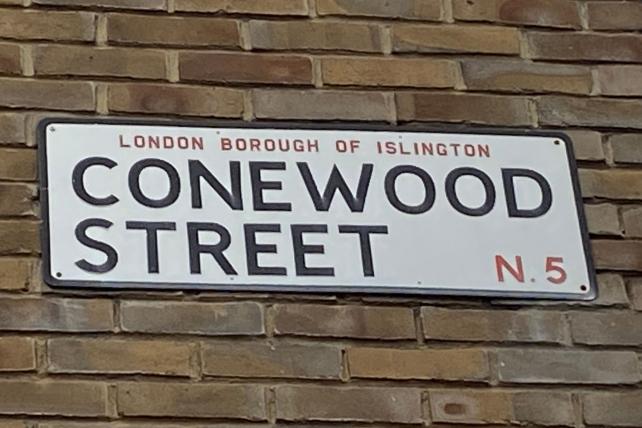
At least four people who worked at Islington Council’s former home in Conewood Street, later named Park Place, have previously been accused of abusing children, according to privileged council documents.

When another was convicted of kidnapping a child he met at the facility, a paedophile magazine sprang to his defence.

Schoolboy Jason Swift, killed by a child sex trafficking ring dubbed the Dirty Dozen, was linked to the building, as was another boy who was violently killed.

The home is now the subject of a lawsuit claiming a teenage girl was repeatedly sexually abused by strange men who entered her bedroom under the cover of darkness.

As lawyers representing the complainant urged other victims to come forward, the Islington Gazette explored the Conewood home’s murky past.

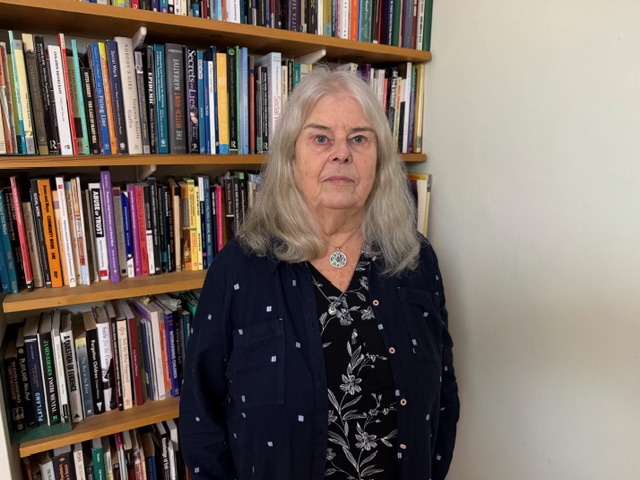
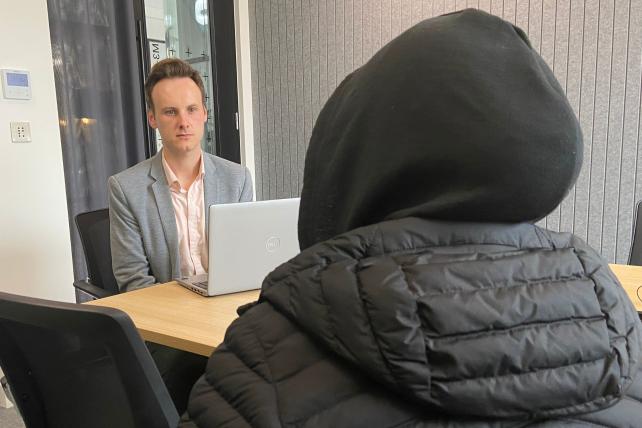
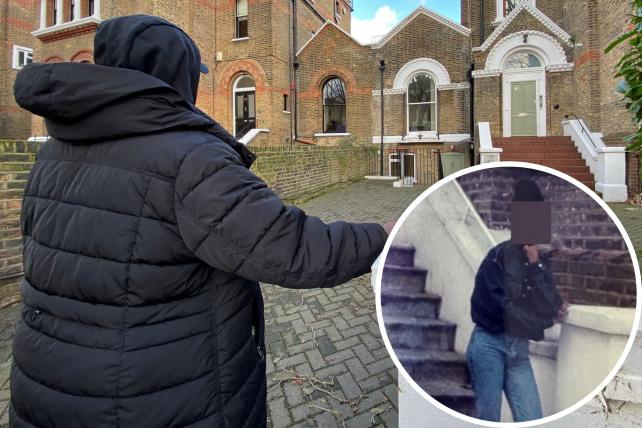
'Sally', now in her 40s, is suing Islington Council, claiming she was repeatedly sexually abused in her bed at Park Place in Conewood Street. She is seen her discussing the case with her lawyer Andrew Lord

‘Sally’, now in her 40s, is suing Islington Council, claiming she was repeatedly sexually abused in her bed at Park Place in Conewood Street. She is seen her discussing the case with her lawyer Andrew Lord (Image: Charles Thomson)

Kidnap

In 1983, social worker John Picton (now deceased) snatched a 13-year-old boy he had met at the Conewood facility.

The boy had moved to an adjoining children’s home in Elwood Street by the time Picton took him.

The homes were joined by their back gardens, so staff and children could move between them.

Picton and the boy he abducted were tracked down almost two months later in Toulouse, France.

He was brought back to the UK and prosecuted, prompting a paedophile magazine called Minor Problems to lament his plight.

In an article titled ‘Affection is not a crime’, the paedophile rights newsletter claimed to have met Picton and been convinced “of his genuine concern for his chosen ‘son’”.

He was sent to prison for six months, which the paedophile pamphlet called an “inhuman wrong”.

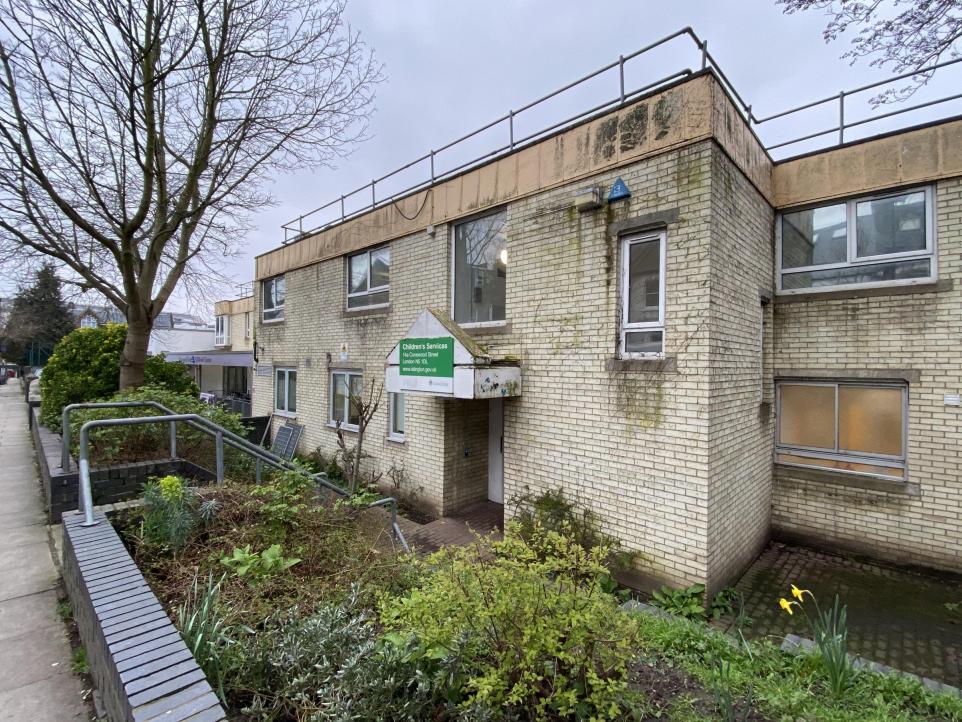
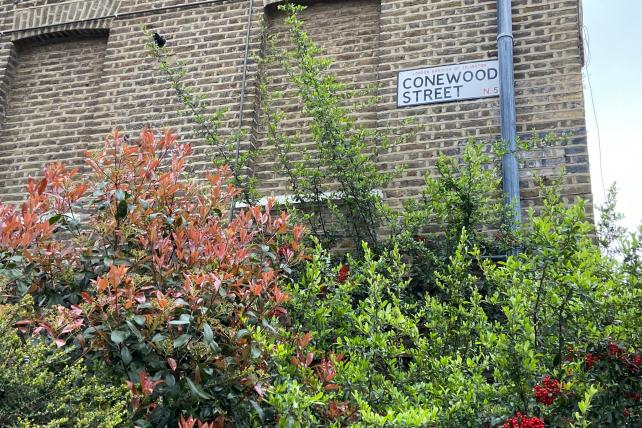
The children’s home in Conewood Street backed onto another one in Elwood Street. Both have been the subject of repeated abuse allegations (Image: Charles Thomson)

Abuse Allegations

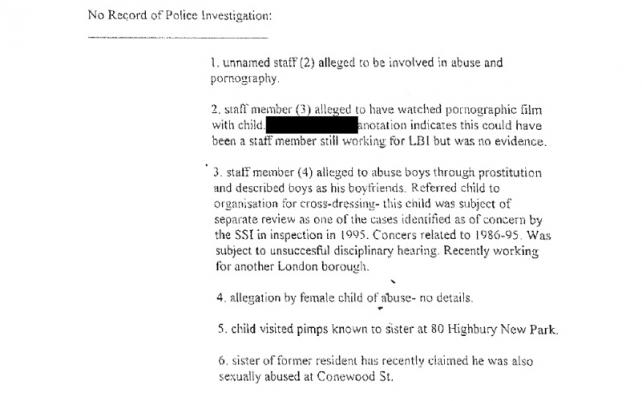
A 1999 council document revealed numerous historic abuse allegations at the Conewood home.

The document, by the council’s Child Protection and Reviews Service, was published under Freedom of Information laws at the request of Dr Liz Davies at the Islington Survivors Network (ISN).

It said two specific staff members were “alleged to be involved in abuse and pornography”.

A third was alleged to have watched a pornographic film with a child, at added.

Two girls separately reported being abused by unidentified persons at Conewood Street.

None of those allegations was dated in the file.

But a fourth identified staff member was “alleged to abuse boys through prostitution and described boys as his boyfriends” between 1986 and 1995, the report said.

After an “unsuccessful disciplinary hearing”, he went to work for another council.

As of 1999, none of these allegations had ever been investigated by police.

A 1999 Islington Council document, released under the Freedom of Information Act, detailed numerous historic abuse allegations linked to the Conewood Street home (Image: ISN)

Jason Swift

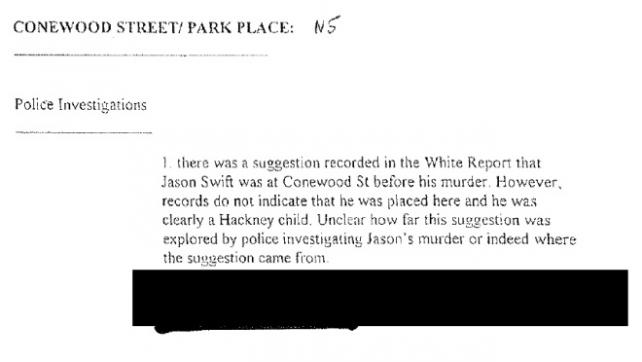
By 1999, police were aware of reports that Jason Swift had been linked to the Conewood facility not long before he died, the document continued.

Numerous staff and children have reported knowing him while he was there, said Dr Davies.

The Hackney teen was not a resident, she added, but attended an education facility there.

Jason, 14, was found in a shallow grave in Essex in November 1985.

He had died during a vicious gang rape by a paedophile gang known as the Dirty Dozen.

The tabloid press described him as a “rent boy”, despite him being a child incapable of consent.

Paedophile Sidney Cooke was convicted of manslaughter over Jason’s death in 1989, but how he first came to the attention of Cooke’s gang has never been properly established.

A 1999 document, released to Islington Survivors Network (ISN) under the Freedom of Information Act, said Jason Swift – later killed by a paedophile gang – had been linked to Conewood Street (Image: ISN)

Tony McGrane

Another Conewood boy wrongly described by tabloids as a “rent boy” also met a violent death.

Tony McGrane, 13, was found stabbed to death in a garage in Clerkenwell in October 1986.

His family denied lurid newspaper reports that he – a child incapable of consent – had been “selling sex in Soho”.

Tony’s death was one of 16 child killings investigated under Operation Stranger – the same operation that investigated Jason Swift’s death – as being potentially linked to one another.

But a 19-year-old family friend from Finsbury, called Gary Whelan, was ultimately convicted of manslaughter over Tony’s death in 1989.

A 1999 document, released years later under the Freedom of Information Act, detailed a catalogue of abuse allegations linked to the Conewood Street home, known to Islington Council but, until that point, never investigated by police (Image: Charles Thomson)

A 1999 document, released years later under the Freedom of Information Act, detailed a catalogue of abuse allegations linked to the Conewood Street home, known to Islington Council but, until that point, never investigated by police

New Allegation

In July, the Islington Gazette published a harrowing interview with a woman who says she was repeatedly sexually abused at Conewood in the 1990s.

Her lawyer Andrew Lord, at Leigh Day, has appealed for anyone with knowledge of the home at that time to make contact.

The council said it could not comment on active lawsuits.

However, it has previously admitted and apologised for decades of widespread abuse in its children’s homes, calling it “the worst chapter in this council’s history”.

Islington denies payout to woman starved in children’s home

Islington Gazette, 11th March 2024

Exclusive by Charles Thompson, Investigations Reporter

A woman who says she was starved in an children’s home has been refused a pay-out, even though details of it are recorded in the council’s own files, a victims’ organisation has said.

A woman who says she was starved in an children’s home has been refused a pay-out, even though details of it are recorded in the council’s own files, a victims’ organisation has said.

Jo – not her real name – must face an appeal panel after being turned down by the Islington Support Payment Scheme – a project set up in 2022 after Islington Council admitted decades of abuse in its children’s homes.

But the council’s own records record that she was “under-nourished” while staying in a children’s home at 14 Conewood Street, metres from the old Arsenal Stadium.

“Don’t they even read the files?” asked Dr Liz Davies, of the Islington Survivors Network (ISN).

Under the support scheme, victims can apply for £10,000 payments in recognition of physical, sexual or psychological abuse.

Jo applied in November 2022 and had to wait until October 2023 to learn she was unsuccessful. The letter said there was insufficient evidence she had been abused.

“Under-nourished”

Jo was placed in 14 Conewood Street when she began acting up and skipping school after her mother left the family home.

That she was taken into care at all, said Dr Davies, showed a failure by social services.

A psychiatrist had written in Jo’s records that her misbehaviour was “likely a reaction to the loss of her mother”, saying she should be “treated for her mourning, which could be done locally.”

Instead, said Jo: “They took me out of my own home. I was better off there. In Conewood, I was on my own. I had no friends.”

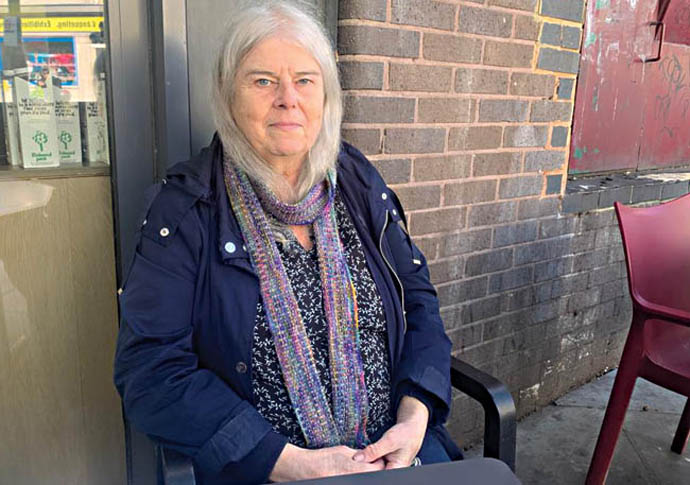
Dr Liz Davies, of the Islington Survivors Network, said Jo’s rejection was one of several in recent months which she felt was at odds with the available evidence (Image: Charles Thomson)

When she acted up even more, as a result of being institutionalised, she said she was punished by starvation and banned from having family visits.

When ISN obtained Jo’s file, a social worker had written about her “complaining of a lack of food” and described her as “under-nourished”.

“Restraint”

On other occasions, Jo said, she was punished violently: wrestled to the ground and pinned down, unable to move.  

“Nothing justified this horrific violence,” said Jo. “I was 15 and very thin.”

“Pin-down” is listed in the support payment scheme’s terms and conditions as a form of abuse which would merit payment.

“We’ve got so many other people who have made allegations about the same man,” said ISN’s Jane Frawley.

“If it happened to Jo even once, it is physical abuse. It should never be done to any child.”

When ISN obtained Jo’s files, it even made mention of her “not accepting restraint”.

“It’s all there in her social care file,” said Dr Davies.

The former Conewood Street Children’s Home has since been turned into a children’s services office (Image: Charles Thomson)

Drugged

Jo said she ran away from Conewood repeatedly due to the conditions.

As a result, Conewood staff decided – with no evidence of any social worker input in her files – to send her to a secure unit in south London, called Cumberlow Lodge.

“It was like a prison,” she recalled. “It was terrible. I was in solitary confinement a couple of times there. They called it ‘the padded room’.

“I remember watching girls coming through the gates, through the bars on my window. One had only nicked a pint of milk.”

Despite a psychiatrist recording “no sign of disturbance”, Jo was put on antipsychotic drugs.

“We had to take this little cup and they wouldn’t let us leave until they could see we had swallowed it,” she said.

Her files record that the drug was Chlorpromazine, which she said effectively knocked her out.

AAnother alleged victim, ‘Zara’, was turned down and sent to the payment scheme’s appeal panel on grounds that there was insufficient evidence she was in a children’s home. She had photos of herself inside and outside the home and witnesses placing her there, including the woman who had been her roommate (Image: Charles Thomson)

“A terrible insult”

ISN said the refusal to pay Jo was inexplicable, as other applicants who described the same types of abuse by the same Conewood staff have already received pay-outs.

“The food stuff comes up again and again,” said Jane. “So does the pin-down and not being allowed to see family.”

Jo’s is one of several recent rejections where ISN contends there is sufficient evidence, including photographs and witnesses.

“We helped design this scheme, so we know exactly what the grounds are,” said Dr Davies. “So it’s actually a terrible insult to me, professionally, quite frankly.

“I have done a lot of these people’s statements and they do meet the criteria. I know what I’m talking about.”

Jo said she will go to the appeal panel.

“I can’t just lay back and not do anything,” she said. “I want some kind of justice.”

Islington Council said it does not comment on specific cases. It does not consider those turned down for payment as having been rejected until after the appeal panel has heard the case.

The support payment scheme remains open for applications until May. For more, visit www.islingtonsupportpayment.co.uk.

ISN can be reached at 0300 302 0930 or islingtonsn@gmail.com.

Islington Council: Concerns over abuse scheme appeal panel

Islington Gazette, 5th March 2024

Exclusive by Charles Thomson, Investigations Reporter

Dr Liz Davies, from the Islington Survivors Network (ISN), said she felt let down by the council. She claims ISN was meant to help compile the appeal panel – but then the council did it without them and now won’t even tell ISN who is on it.

Women who say they were sexually abused in Islington Council’s care have had their case files forwarded to a mysterious panel who will decide whether they are entitled to payouts.

Alleged victims previously turned down were last week given ten days to decide whether or not to argue their cases before an appeal panel, without being told who will be on it.

In the meantime, their personal information has already been shared with the unnamed strangers.

Applicants to Islington’s ‘Support Payment Scheme’ are automatically referred to the panel if lawyers initially turn them down.

But expert Dr Liz Davies said the council had so far refused to say who is on the appeal panel or give survivors any opportunity to vet them.

“In Lambeth, survivors and their representatives had the chance to review the list of panel members and do their own due diligence,” said Dr Davies, of the Islington Survivors Network (ISN).

“As it turned out, it was a very good list and they were happy. But they at least had the opportunity to review it.”

In 2017, Islington Council apologised for decades of violent, sexual and emotional abuse in its former children’s homes.

Allegations from hundreds of former looked-after children include staff assaulting children; giving them booze, drugs and cigarettes; facilitating paedophile parties; and forcing teens to abort babies.

The council gave a special apology in 2017 to Dr Davies, a whistleblowing former Islington social worker who had spent decades campaigning for justice for the victims.

In consultation with her organisation ISN, it then created the Support Payment Scheme, offering £10,000 pay-outs to survivors of abuse.

The council insists the sums are referred to as support payments, not compensation, and says payment under the scheme is not an admission of liability.

So far more than 300 applications have been received, of which 270 have resulted in payouts.

But Dr Davies said that in recent months there had been a spate of rejections, most of which are not reasonable in her opinion.

The Gazette has reported on people being rejected even though witnesses and photos place them in the homes, and others have been paid out after alleging similar abuse by the same staff.

‘Zara’ was referred to the appeal panel after lawyers said there was insufficient evidence she was in a children’s home – despite having witnesses and photos that put her there (Image: Charles Thomson)

Seven people were rejected in one day in early October, said Dr Davies. Each received an email saying the council would be in touch with further information “shortly”.

But they received no further communication until last week, after the Gazette asked why they had been left waiting for over four months.

“Last week, 10 people whose applications were automatically referred to the independent appeals panel were contacted by email and provided with further details about their individual appeal hearings,” a spokesperson said.

The council confirmed that the appeal panel had now been appointed but did not say who was on it or whether survivors would have the chance to vet them.

It said the appointees “all have relevant backgrounds and experience”.

But Dr Davies said ISN had been frozen out of the selection process.

“We were led to believe that we would be interviewing people for the panel,” she alleged.

“That was what we were told when we were planning it. We were also told there would be someone from a survivors’ group.”

The council said its appointees’ relevant experience included having been in care themselves; social work experience; legal backgrounds; and prior experience on panels considering historic abuse claims.

“One word that is missing there is ‘survivors’,” said Dr Davies.

“People who have been in care are completely different to survivors of abuse in care.”

Islington Council said the appeal process was “entirely voluntary”, with applicants able to decide whether to attend, whether to provide further evidence or argument and whether to “bring someone along for support”.

But, said Dr Davies: “They still haven’t told us if we can advocate, as opposed to support. Can we advocate in someone’s absence, which is really important? One woman is in hospital, for example.”

A council spokesperson said the panel was “independent”, with council staff prevented from applying to sit on it.

“The council has no influence or control over the decisions it makes,” it said.